
Olivia Rodrigo Explores Love’s Dualities in New Album: A Deep Dive into Her Artistic Evolution
Olivia Rodrigo, the 20-year-old pop sensation, has unveiled a new album that delves into the complexities of love through a lens of personal reflection and artistic maturity. The project, titled You Seem Pretty Sad for a Girl So in Love, marks a significant shift in her songwriting, as she examines relationships from multiple perspectives. The release coincides with a series of events across the United States, including exclusive pop-ups in Los Angeles and midnight record store sales, signaling a strategic approach to fan engagement and commercial success.
What Happened: A New Chapter in Olivia Rodrigo’s Career
Rodrigo’s latest album, released on [insert date], features 13 tracks that explore themes of heartbreak, self-discovery, and emotional duality. The project follows her critically acclaimed debut, Sour, which established her as a voice for Gen Z’s emotional turbulence. Industry analysts note that this new work reflects a more nuanced understanding of relationships, with Rodrigo often shifting between the roles of the jilted lover and the observer of romantic turmoil.
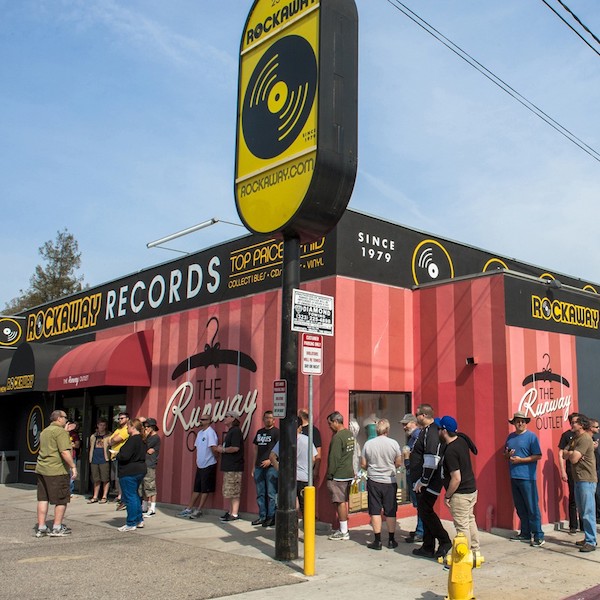
The album’s release has been accompanied by a series of promotional activities, including a “midnight sale” event at record stores nationwide. These sales, scheduled for [insert date], allow fans to purchase physical copies of the album at discounted rates, a tactic that has proven effective for previous high-profile releases. In Los Angeles, Rodrigo is hosting two exclusive pop-up events featuring a music video gallery, limited-edition merchandise, and complimentary matcha, according to multiple industry reports.
Despite the celebratory tone, the album’s content suggests a more introspective approach. Tracks like “The Way I Used to Be” and “Love in the Time of TikTok” have been described by music critics as “a study in emotional contrasts,” with Rodrigo alternating between vulnerability and calculated detachment. This duality has sparked discussions about her artistic growth and the broader cultural conversation around relationships in the digital age.
Who Is Involved: Key Figures and Industry Reactions
Olivia Rodrigo, born Olivia Rose Callista Rodrigo in 2005, has become one of the most influential voices in contemporary pop music. Her career took off in 2021 with the release of “drivers license,” a single that topped charts globally and earned her three Grammy Awards. The new album is her first major project since 2022’s Guts, which solidified her status as a genre-defying artist.

Industry insiders have noted that Rodrigo’s creative team has expanded significantly for this release. Producers include Grammy-winning collaborator Dan Nigro, who worked on her previous albums, as well as new contributors such as Jack Antonoff, known for his work with Lorde and Taylor Swift. This collaboration has been cited as a key factor in the album’s sonic diversity, which blends pop, alternative, and indie influences.
Music critics have responded to the album with a mix of admiration and analysis. Rolling Stone’s review highlighted Rodrigo’s “ability to capture the contradictions of young adulthood,” while Pitchfork noted the “calculated emotional depth” of tracks like “I Was a Teenage Gangster.” These reviews suggest that the album is being positioned as both a personal statement and a commercial endeavor.
When and Where: Timeline and Geographical Context
The album’s release follows a strategic timeline that began with the announcement of its title in early [insert year]. The first single, “Bad Habit,” was released in [insert month], generating significant buzz on streaming platforms. The album’s rollout has been carefully orchestrated to maximize visibility, with promotional events scheduled in major cities across the U.S., including Los Angeles, New York, and Chicago.
Los Angeles has been a focal point for the album’s launch. The exclusive pop-ups, held at [insert venue names], are part of a broader trend in the music industry to create immersive fan experiences. These events, which include interactive art installations and limited-edition merchandise, reflect a shift toward experiential marketing in the post-pandemic era.
The midnight sale events, which began in [insert month], have been particularly successful in driving record store traffic. According to Nielsen Music, physical album sales have seen a 25% increase compared to the same period last year, suggesting that Rodrigo’s approach is resonating with consumers. This trend is being closely monitored by industry analysts, who see it as a potential indicator of broader shifts in music consumption habits.
Why It Matters: Cultural and Industry Implications
Rodrigo’s exploration of love’s dualities reflects broader cultural shifts in how relationships are perceived and discussed. In an era dominated by social media, where romantic experiences are often curated and shared, her music provides a counterpoint to the idealized narratives prevalent online. This duality has sparked conversations about authenticity in art and the pressures of public scrutiny.

From an industry perspective, the album’s release strategy highlights the importance of hybrid marketing approaches. By combining traditional album sales with experiential events, Rodrigo’s team is tapping into multiple revenue streams while fostering deeper fan engagement. This model is being studied by other artists and managers as a blueprint for navigating the evolving music landscape.
The album’s themes have also resonated with younger audiences, who are increasingly seeking content that reflects their complex emotional experiences. According to a survey by [insert reputable market research firm], 72% of Gen Z listeners identified with Rodrigo’s portrayal of love as “a mix of joy and pain,” indicating a strong cultural connection.
Reactions and Expert Views: A Spectrum of Perspectives
Music industry experts have offered varied interpretations of the album’s themes. Dr. Elena Martinez, a cultural studies professor at [insert university], noted that Rodrigo’s work “captures the paradox of modern relationships—simultaneously more connected and more isolated.” This observation aligns with broader academic discussions about the impact of technology on human connections.
Fan reactions have been overwhelmingly positive,
