
Five NSW changes revealed as Daley swings axe in shock move, makes halves call – Fox Sports
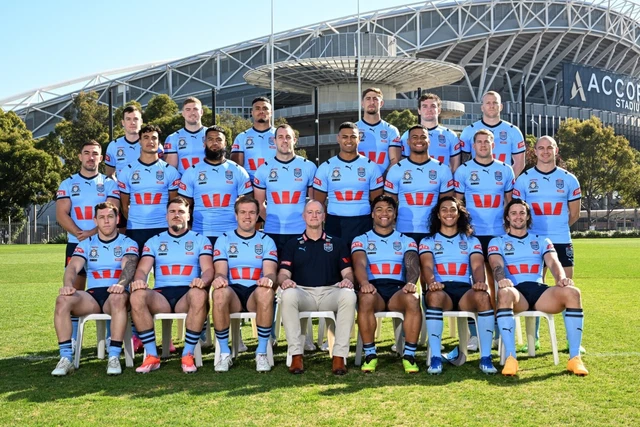
NSW coach Daley has announced five significant changes to the Blues squad for Game II, including the shock omission of Olakau’atu and the debut of Lucas. These moves, which include a critical decision regarding the halves, signal a strategic shift as the Blues attempt to alter their trajectory in the State of Origin series.
The Major Roster Shifts: Who is In and Who is Out?
The announcement of the New South Wales team for Game II has sent shockwaves through the rugby league community. According to reports from Fox Sports, coach Daley has “swung the axe,” implementing five distinct changes to the lineup. The most jarring of these decisions is the removal of the player often described as the team’s “enforcer.”
As reported by the Australian Broadcasting Corporation (ABC), Olakau’atu has been dropped from the side. This move is particularly surprising given the role an “enforcer” typically plays in a forward pack—providing the physical intimidation and aggressive defense necessary to disrupt the opposition’s rhythm. By removing this element, Daley is signaling a departure from a purely physical approach toward something potentially more mobile or disciplined.
While some players have been cut, others are receiving their first opportunity on the big stage. The ABC confirms that Lucas will make his debut in Origin II. Introducing a debutant in the middle of a high-stakes series is a gamble, as it replaces established experience with raw talent and fresh energy. This suggests that Daley believes the current squad lacked a specific spark or tactical edge that Lucas can provide.
The scale of the overhaul is summarized in the following table:
| Change Type | Player/Position Affected | Source Attribution |
|---|---|---|
| Major Omission | Olakau’atu (“Enforcer”) | Nine.com.au / ABC |
| New Debutant | Lucas | ABC |
| Strategic Shift | Halves Selection | Fox Sports |
| Total Volume | Five Changes | Fox Sports |
Analyzing the “Halves Call” and Tactical Direction
Perhaps the most scrutinized aspect of the announcement is what Fox Sports describes as the “halves call.” In State of Origin, the halves—the halfback and five-eighth—act as the primary playmakers. Any change in this pairing is rarely just about individual form; it is usually a fundamental shift in how the team intends to attack.
When a coach makes a “call” on the halves mid-series, it typically indicates that the previous combination failed to create enough opportunities for the outside backs or struggled with game management under pressure. While the specific names associated with this call are the subject of intense debate, the act of changing the playmaking core suggests that Daley felt the Blues’ offensive structure was too predictable or lacked the necessary creativity to break down the opposition.
This decision aligns with the broader theme of the five changes. Rather than making minor tweaks, Daley is effectively re-tooling the engine room and the steering wheel of the team. The objective is likely to increase the speed of play and improve the connection between the forwards and the backline.
Why the “Enforcer” was Dumped
The decision to drop Olakau’atu, as highlighted by Nine.com.au, is a point of contention. In rugby league, an enforcer is tasked with the “dirty work”—heavy hits, intimidating the opposition, and winning the physical battle in the middle. Dropping such a player often happens for one of three reasons:
- Discipline issues: If an aggressive style leads to too many penalties, a coach may opt for a more controlled player.
- Mobility needs: If the opposition is playing a high-speed game, a heavy enforcer can become a liability in defense.
- Tactical pivot: Daley may be moving toward a more technical, ball-playing forward pack rather than a collision-based one.
By removing the “enforcer,” the Blues are betting that they can win the battle of attrition through skill and efficiency rather than brute force.
The Knights Connection: Daley’s Trust in the Back-Row
Amidst the chaos of the five changes, one area of stability is Daley’s unwavering support for a specific player from the Newcastle Knights. The Newcastle Herald reports that the coach has explicitly backed a Knights back-rower, stating, “He will handle it.”
This vote of confidence is critical. The back-row is the bridge between the heavy lifting of the props and the finesse of the halves. For Daley to publicly insist that a player “will handle it” suggests that this individual is expected to take on a leadership role or a specific tactical responsibility in Game II. It also indicates that Daley is relying on club form—specifically from the Knights—to provide the reliability he felt was missing in Game I.
This dynamic creates an interesting contrast within the team. While Olakau’atu was axed, the Knights back-rower is being elevated as a pillar of the new strategy. This suggests that Daley isn’t just changing players for the sake of change; he is identifying specific traits—likely work rate and reliability—that he believes are the keys to victory.
Contrasting Perspectives: Shock vs. Stability
Interestingly, not all media outlets viewed these changes through the same lens. While Fox Sports and Nine.com.au used terms like “shock move” and “swings axe,” ESPN’s “NRL midweek mail” suggested that the Blues were “unaffected” by certain Game II changes. This discrepancy in framing reveals two different ways to interpret the news.

The “shock” narrative focuses on the individual players—specifically the loss of a fan favorite or a powerhouse like Olakau’atu. From a fan’s perspective, seeing a dominant physical presence removed is a surprise. However, the “unaffected” narrative likely refers to the overarching system. It suggests that while the personnel have changed, the core blueprint of how the Blues intend to play remains intact.
This tension between personnel and system is where the Game II outcome will be decided. If the five changes are merely “plug-and-play” substitutions, the result may not change. But if the “halves call” and the debut of Lucas represent a genuine evolution in strategy, the Blues could enter the match as a completely different beast.
“He will handle it” — This simple endorsement from coach Daley regarding the Knights back-rower highlights the shift toward trusting specific club-level momentum over established Origin reputations.
The Risks of Mid-Series Overhauls
Changing five players in a three-game series is a high-risk strategy. In the history of State of Origin, consistency often wins. When a coach makes sweeping changes, they risk destroying the chemistry that was built during the initial camp. The “halves call” is the most dangerous of these risks, as the relationship between the halfback and five-eighth is the most intuitive connection on the field.
However, the alternative is stagnation. If Game I revealed fundamental flaws in the roster, sticking with the same lineup for Game II would be a dereliction of duty. By debuting Lucas and dropping Olakau’atu, Daley is choosing the risk of instability over the certainty of failure.
Key risks associated with these moves include:
- Lack of cohesion: New combinations in the halves may lead to misplaced passes and timing errors.
- Nerves: A debutant like Lucas faces immense pressure, and any early mistake can snowball into a lack of confidence.
- Loss of physicality: Without the “enforcer,” the Blues may find themselves bullied in the ruck if the new forwards cannot match the opposition’s intensity.
For more on the tactical side of the game, you might find a related explainer on Origin selection strategies useful to understand how these decisions are typically made.
Frequently Asked Questions
How many changes did coach Daley make for Game II?
According to Fox Sports, Daley has implemented five changes to the New South Wales squad for Game II.
Who are the most notable players leaving and joining the team?
The most significant omission is Olakau’atu, referred to as the “enforcer,” while Lucas has been called up to make his debut in Origin II, as reported by the ABC.

What is the significance of the “halves call”?
The halves are the primary playmakers of the team. A “call” in this position indicates a change in the tactical leadership and attacking direction of the Blues, as highlighted by Fox Sports.
Which club player is receiving strong backing from the coach?
The Newcastle Herald reports that coach Daley has strongly backed a Knights back-rower, stating that “he will handle it” in the context of the Game II pressure.
Why is dropping the “enforcer” considered a shock?
As noted by Nine.com.au, the “enforcer” typically provides the physical aggression and intimidation necessary for a forward pack. Removing this role suggests a major shift in how the Blues intend to defend and compete physically.
As the Blues prepare for Game II, the focus remains on whether these five changes will provide the necessary spark or if the loss of experienced physicality will leave them vulnerable. The combination of a debutant in Lucas and a new direction in the halves makes this one of the most unpredictable NSW lineups in recent memory.
