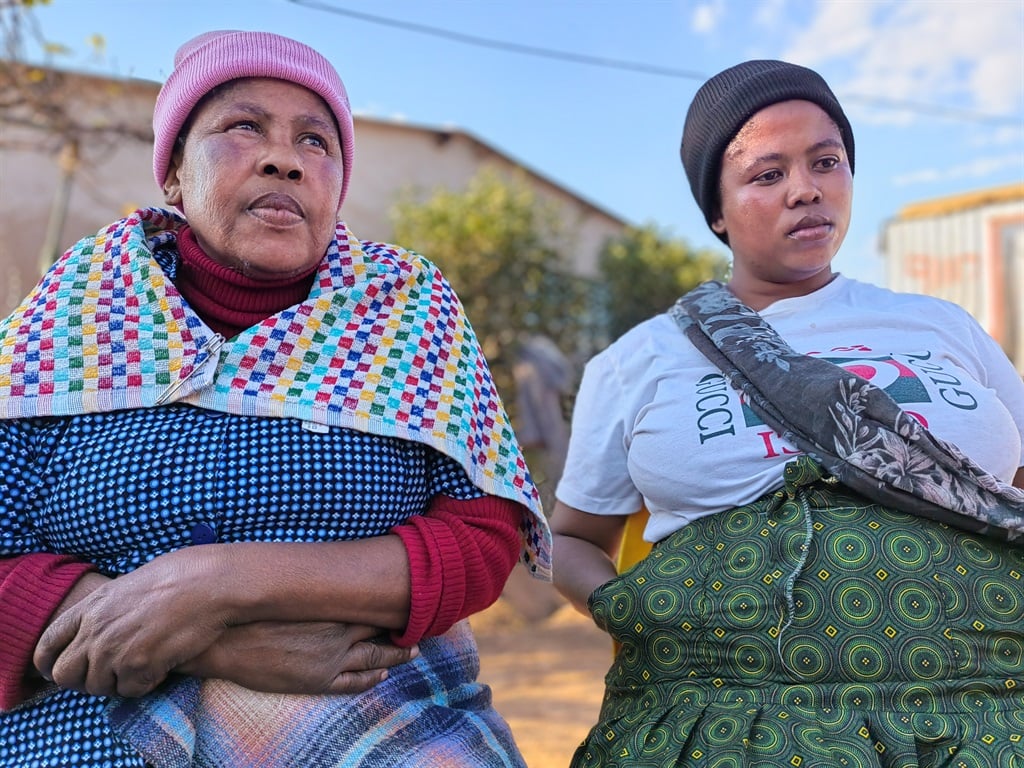
Tavern Shooting Leaves Families Shattered! – Daily Sun: The Tragic Death of Mokoena Letsie
The community of Potchefstroom is currently reeling from a wave of shock and grief following a brutal act of violence that has claimed the life of a prominent local figure. In an incident that has sent tremors through the North West province, a targeted attack at a local tavern has left families shattered and raised urgent questions about the safety of community leaders in South Africa’s informal settlements. The news, which gained significant traction under the headline Tavern shooting leaves families shattered! – Daily Sun, highlights a disturbing trend of violence aimed at those who stand up for the marginalized.
The victim, identified as Mokoena Letsie, was not merely a patron of the establishment but a well-known community and political activist. His assassination is not being viewed as an isolated crime of passion or a random act of gang violence, but rather as a calculated strike against a man who dedicated his life to advocating for the rights of residents in Ikageng and surrounding informal settlements. As the police launch a comprehensive probe, the atmosphere in the region remains tense, with many fearing that this is part of a broader campaign to silence dissent and disrupt grassroots organization.
The Night of the Attack: What Happened in Ikageng?
The events unfolded in the heart of Ikageng, a township in Potchefstroom known for its vibrant community but also its struggles with infrastructure and service delivery. Witnesses describe a scene of sudden, overwhelming chaos. While patrons were relaxing at a local tavern—a common social hub in the community—gunmen stormed the premises with clinical precision.
Reports indicate that Mokoena Letsie was the primary target. The attackers unleashed multiple gunshots, ensuring that the activist had little to no chance of survival. The sheer volume of gunfire suggests the use of high-caliber weapons, a hallmark of professional hits rather than opportunistic street crime. Bystanders were left diving for cover as the shooters fled the scene, leaving behind a trail of blood and a community paralyzed by fear.
Emergency services arrived shortly after the shooting, but by the time medical personnel could reach Letsie, it was clear that the injuries were fatal. The immediate aftermath saw a surge of anger and sorrow, as residents gathered outside the tavern, demanding answers from the South African Police Service (SAPS). The brutality of the attack has left an indelible mark on the survivors and the families of those present, who now struggle to process the suddenness of the loss.
| Detail | Event Summary |
|---|---|
| Victim | Mokoena Letsie (Community/Political Activist) |
| Location | Tavern in Ikageng, Potchefstroom, North West |
| Nature of Incident | Targeted shooting/Assassination |
| Primary Motive (Suspected) | Political or community-based activism |
| Current Status | Police investigation ongoing; suspects at large |
Who Was Mokoena Letsie? The Voice of the Voiceless
To understand why the Tavern shooting leaves families shattered! – Daily Sun report resonates so deeply with the local population, one must understand who Mokoena Letsie was to the people of Potchefstroom. Letsie was more than just a political figure; he was a grassroots organizer who operated in the precarious spaces of informal settlements.
His activism primarily focused on the most basic of human rights: access to clean water, electricity and dignified housing. In the North West province, where service delivery protests are frequent and often violent, activists like Letsie serve as the critical bridge between the desperate needs of the poor and the bureaucratic machinery of the government. He was known for his ability to mobilize residents to demand accountability from local councilors and provincial officials.
“Mokoena didn’t just talk about change; he lived it. He was the first person to show up when a pipe burst or when a family was illegally evicted. To kill him is to attempt to kill the hope of an entire settlement.”
His political leanings were rooted in the empowerment of the working class. By challenging the status quo and questioning the allocation of municipal funds, Letsie had inevitably made enemies. In the volatile landscape of local politics, where contracts for housing and infrastructure are worth millions, a persistent activist is often viewed as an obstacle to be removed.
The Role of Community Activism in North West
The North West province has long been a flashpoint for political instability. The intersection of extreme poverty, high unemployment, and perceived government corruption creates a fertile ground for conflict. Community activists in this region often find themselves in the crosshairs of three different forces:
- Political Rivals: Those who see grassroots mobilization as a threat to their electoral hold.
- Corrupt Contractors: Individuals benefiting from misappropriated service delivery funds who fear exposure.
- Criminal Syndicates: Gangs that control informal economies and view community organization as a threat to their dominance.
A Disturbing Pattern: Activists Under Fire
The assassination of Mokoena Letsie is not an isolated incident. It fits into a terrifying pattern of “activist killings” that has plagued several provinces in South Africa. From the Eastern Cape to the North West, leaders of community forums and political organizers are being gunned down with alarming frequency.
When a shooting occurs in a tavern, as seen in the Tavern shooting leaves families shattered! – Daily Sun coverage, it serves a dual purpose for the perpetrators. First, it allows them to strike in a public space, sending a clear message to others that no one is safe. Second, the noise and chaos of a crowded venue provide a degree of cover for a quick escape.
Comparing the North West Trend to National Statistics
While official statistics on “political assassinations” are often blurred by being categorized as general murder, human rights organizations have noted a spike in targeted killings of community leaders. The common thread in these cases is the location: they almost always occur in underserved areas or informal settlements where police presence is minimal and witness intimidation is high.
The killing of Letsie is being viewed as a “warning shot” to other activists in the Potchefstroom area. By removing a key organizer, the perpetrators hope to create a vacuum of leadership, making it easier to maintain corrupt systems without oversight.
The Impact on Families and the Community Psyche
Beyond the political implications, the human cost of this crime is staggering. The phrase “families shattered” is not merely a journalistic trope; it describes a visceral reality. For the children and spouse of Mokoena Letsie, the loss is absolute. But the trauma extends to the wider community of Ikageng.
In close-knit townships, the death of a leader creates a collective sense of vulnerability. When a man who spent his days fighting for the community is murdered in a place of leisure, the sanctuary of the home and the social space of the tavern are both violated. This leads to a phenomenon known as the “chilling effect,” where other activists withdraw from public life out of fear for their own safety.
The Psychological Toll of Targeted Violence
- Hyper-vigilance: Residents report feeling uneasy in public spaces, fearing that another “hit” could happen at any moment.
- Loss of Trust: A growing belief that the police are either unable or unwilling to protect those who challenge power.
- Intergenerational Trauma: Children witnessing the violent removal of a community hero can lead to a cycle of cynicism and anger toward the state.
The Police Probe: Challenges and Expectations
The South African Police Service (SAPS) has confirmed that they are investigating the shooting in Ikageng. However, the community remains skeptical. Investigations into the murders of activists are notoriously difficult for several reasons:
- Witness Intimidation: In informal settlements, witnesses are often terrified to speak because the perpetrators are known to be powerful or heavily armed.
- Lack of Forensic Evidence: Taverns are often not equipped with CCTV, and the chaotic nature of the crime scene can lead to the contamination of evidence.
- Political Interference: There are often allegations that high-ranking officials may have an interest in the case remaining unsolved.
For the investigation to be successful, the police will need to look beyond the immediate act of shooting and delve into the “motive trail.” This involves analyzing Letsie’s recent activities, the specific projects he was protesting, and the individuals who stood to gain from his silence. Only by following the money and the power dynamics of the North West province can the true architects of this crime be brought to justice.
For a deeper dive into how local governance affects safety, you might find a related explainer on South African municipal corruption useful.
Common Misconceptions About Community Violence
In the wake of reports like Tavern shooting leaves families shattered! – Daily Sun, public discourse often falls into several oversimplified traps. We see important to correct these narratives to understand the gravity of the situation.
Misconception 1: “It was just a tavern brawl that got out of hand.”
While tavern fights are common, the nature of this attack—multiple gunshots, targeted execution, and a rapid exit—points directly to a planned assassination. This was not a spontaneous disagreement; it was an operation.
Misconception 2: “Activists are just troublemakers causing instability.”
Many view protests and activism as a nuisance. In reality, people like Mokoena Letsie only take to the streets when all official channels of communication with the government have failed. Their “instability” is a reaction to the instability of failing infrastructure.
Misconception 3: “The police are doing everything they can.”
While individual officers may be hardworking, the systemic failure to protect high-risk activists suggests a lack of specialized intelligence and protection units for community leaders, leaving them exposed to those with more resources.
The Path Forward: Protecting Grassroots Leadership
The death of Mokoena Letsie must serve as a catalyst for a broader conversation about the protection of human rights defenders in South Africa. If the state cannot guarantee the safety of those who hold it accountable, the democratic fabric of the country is at risk.
Potential solutions to prevent further tragedies include:
- Witness Protection Programs: Expanding these programs to include community members in townships, not just high-profile state witnesses.
- Independent Oversight: Creating an independent body to investigate the killings of political and community activists to avoid conflicts of interest within the police.
- Community-Led Security: Encouraging the formation of legal, monitored community watch groups that can provide early warnings of threats to local leaders.
The loss of a man like Letsie is a loss for every citizen who believes in the power of a voice. While the Tavern shooting leaves families shattered! – Daily Sun headline captures the immediate grief, the long-term tragedy is the potential silencing of a movement that fought for the most basic of human dignities.
As the investigation continues, the people of Ikageng and Potchefstroom wait—not just for an arrest, but for a sign that their lives and their leaders matter to those in power.
Frequently Asked Questions
Who was Mokoena Letsie?
Mokoena Letsie was a dedicated community and political activist based in the North West province, specifically operating in and around the Ikageng area of Potchefstroom. He was known for advocating for improved service delivery, housing, and basic utilities for residents of informal settlements.

Where did the shooting take place?
The incident occurred at a local tavern in Ikageng, Potchefstroom. Taverns in these areas often serve as social gathering points, making them accessible but also vulnerable locations for targeted attacks.
Is this part of a larger trend in the North West province?
Yes. There have been multiple reports of community activists and political organizers being targeted in the North West and other provinces. These attacks are often linked to disputes over service delivery contracts, local political rivalries, or efforts to silence grassroots opposition.
What is the current status of the police investigation?
The South African Police Service (SAPS) is currently probing the incident. While they are searching for suspects, the investigation faces challenges common to township crimes, including witness intimidation and a lack of surveillance footage at the scene.
Why are community activists targeted in South Africa?
Activists often challenge powerful interests, including corrupt government officials and private contractors who benefit from the mismanagement of public funds. By removing these “watchdogs,” perpetrators aim to continue their activities without public scrutiny or resistance.
For more information on the legal protections available to citizens, you may want to read a related guide on South African constitutional rights.
