Lindsey Graham's death will shake the Senate and the November election
The sudden passing of Senator Lindsey Graham creates a vacancy on the Senate Judiciary Committee and initiates a special election process in South Carolina. Leaders now face legislative uncertainty as they navigate upcoming committee deadlines and a shift in Senate balance.
The sudden passing of Senator Lindsey Graham on Saturday, July 11, 2026, has left a void in the United States Senate and triggered a high-stakes scramble to reshape the November election in South Carolina. Graham, aged 71, was a central figure in Republican legislative efforts, chairing the Senate Budget Committee and acting as a key architect for some of the most significant policy shifts during the current administration.
The immediate political fallout centers on both the composition of the Senate and the vacant seat on the ballot. South Carolina Governor Henry McMaster is tasked with appointing a temporary successor to complete the remainder of Graham’s term, which expires on January 3, 2027. Under state law, candidates are expected to file between July 21 and July 28, followed by a special primary election on August 11, and a potential runoff on August 25.
Related media
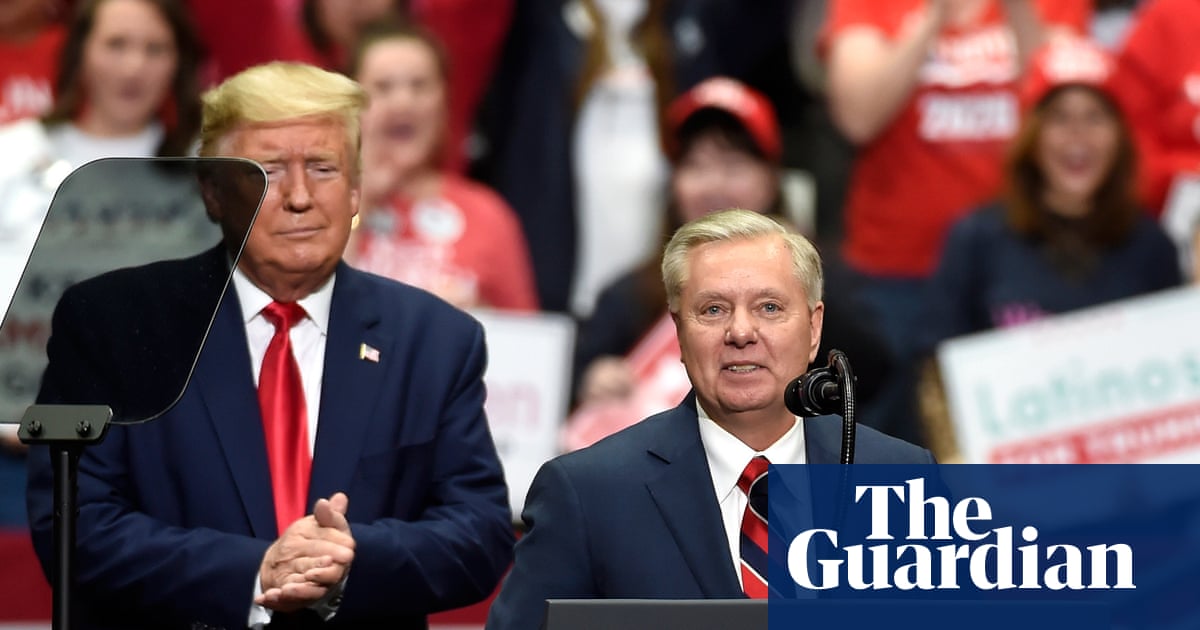
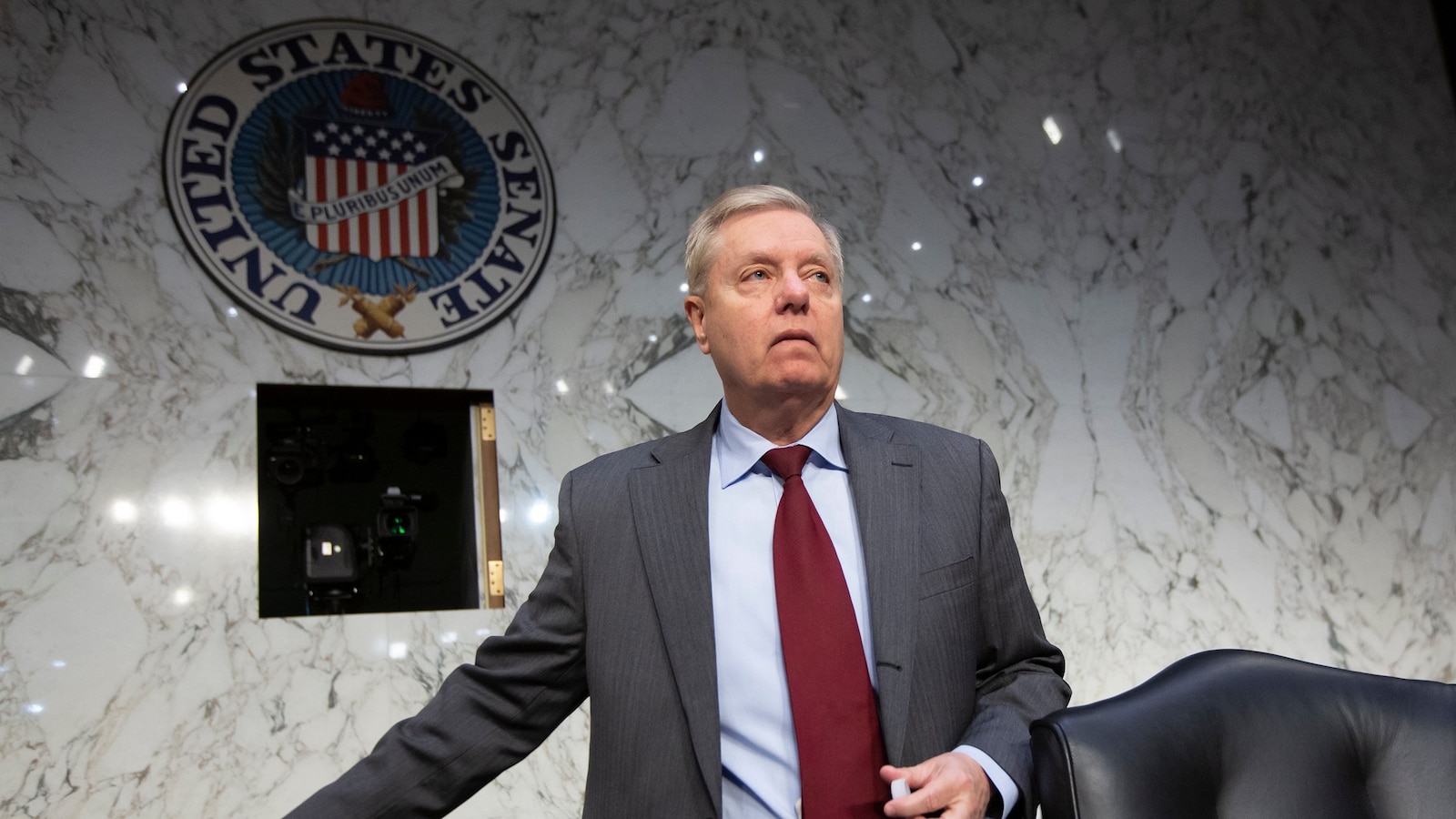

Legislative Impact
Graham’s death has created immediate uncertainty regarding several legislative priorities. As chairman of the Senate Budget Committee, Graham was deeply involved in the reconciliation process intended to facilitate the passage of partisan legislation, including a voter identification bill backed by President Donald Trump. His influence also extended to foreign policy and judicial confirmations; he was slated to be a lead advocate for upcoming defense funding requests related to the Iran war and a key defender of Acting Attorney General Todd Blanche during his confirmation hearing this week.
The math in the Senate has tightened further. With the ongoing hospitalization of Kentucky Senator Mitch McConnell, the Republican caucus now faces challenges in maintaining its majority on key committees. On the Senate Judiciary Committee, the vacancy leaves the party with an 11-10 edge, meaning a single dissenting vote could stall judicial confirmations. Similarly, the Appropriations Committee, which is critical for meeting the September 30 government funding deadline, is left with a precarious balance.
The November Election
Before his passing, Graham had secured the Republican nomination to face Democratic challenger Annie Andrews, a pediatrician from the Charleston area. While South Carolina is a reliably Republican state, recent polling had shown a narrowing race, leading some analysts to argue that the political landscape in the Palmetto State is shifting.
The race to replace him on the ballot is already attracting attention from several prominent Republicans. Rep. Nancy Mace has confirmed she is considering a bid, and reports indicate that other state and national figures are weighing their options. President Trump noted in an interview on NBC’s Meet the Press that he has "somebody that I think would be great" for the role, though he declined to name a successor immediately out of respect for the late senator.
What to Watch Next
- Governor’s Appointment: The choice of a temporary replacement by Governor McMaster may signal how the party intends to move forward.
- The Primary Process: The speed at which the Republican Party coalesces behind a consensus candidate will be a primary indicator of whether the party can maintain its structural advantage in the state.
- Confirmation Schedules: The Senate Judiciary Committee's proceedings, specifically the confirmation of Acting Attorney General Todd Blanche, will serve as an immediate test of the chamber's legislative momentum in the absence of Graham.
As noted by ABC News and Wtvr, official statements from the Governor's office indicate that the initial priority remains honoring the late senator's life, with specific details regarding the election timeline to follow in the coming days.
Archypedia is dedicated to independent, evidence-backed reporting. This briefing was synthesized from primary source reporting, corroborated across independent newsrooms, and verified against our Editorial Standards.
Transparency record
Evidence behind this report
This report synthesizes 7 distinct sources. Open the source ledger below to compare the underlying coverage.
Prepared under the Archypedia Editorial Policy by the Mara Ionescu editorial desk profile. AI-assisted tools may support drafting and verification; public accountability remains with Archypedia. Report an error.

