
A new pickup truck with a claimed range of over 500 kilometers is set to enter the Argentine market, according to local media reports. The vehicle, developed by an unnamed manufacturer, marks a significant step in the country’s automotive sector as it seeks to address growing demand for fuel-efficient commercial vehicles.
What Makes the Pickup Stand Out?
The truck’s key selling point is its extended autonomy, which exceeds 500 kilometers on a single charge, according to statements from the company’s technical team. This capability positions it as a competitive option in Argentina’s freight and logistics industry, where fuel costs and infrastructure limitations often challenge traditional diesel-powered models. The vehicle’s electric drivetrain also aligns with regional efforts to reduce emissions, though specific environmental certifications remain unspecified in available reports.
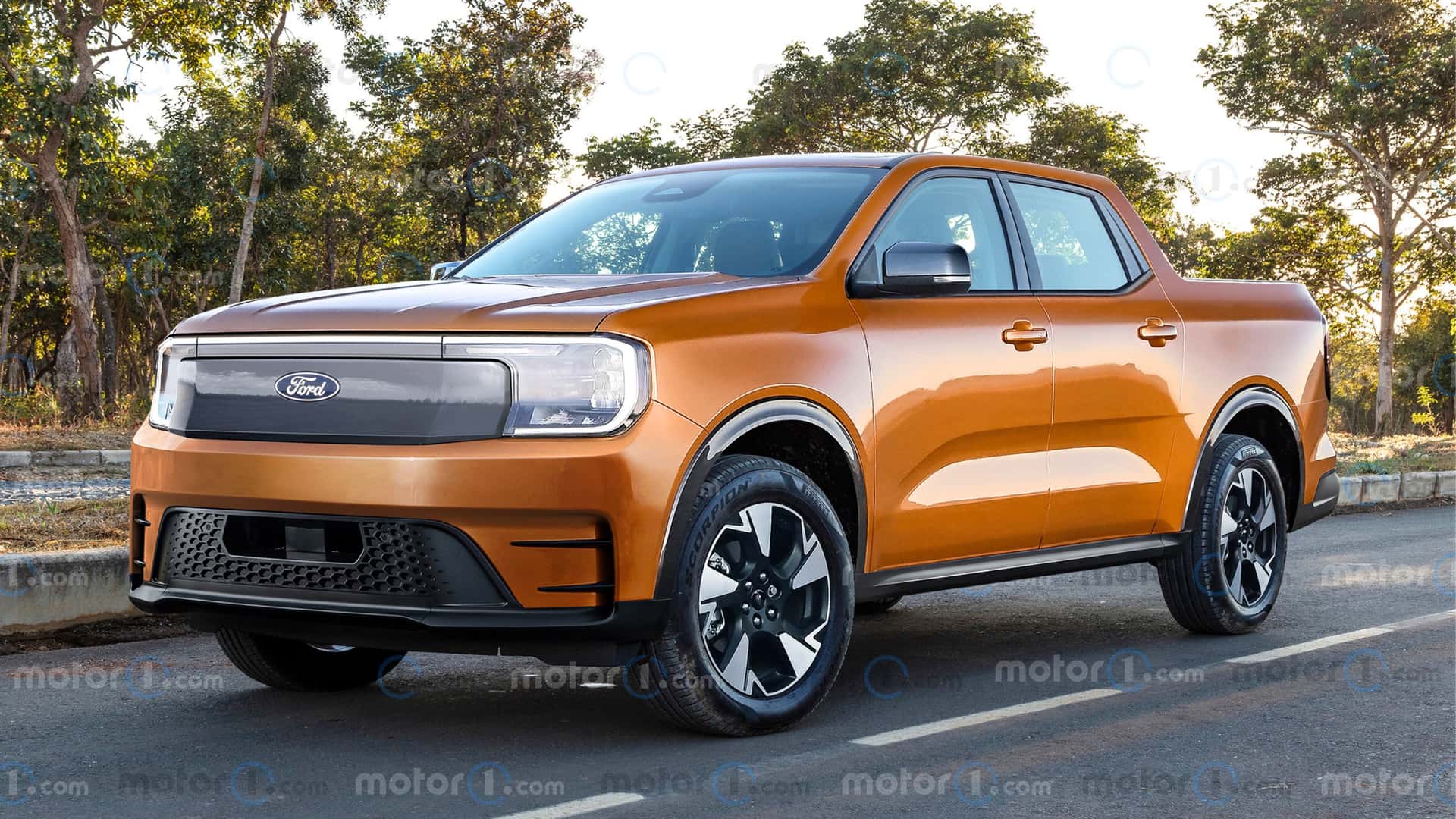
Local media describe the pickup as a “heavy-duty workhorse” designed for both urban and rural use. While the manufacturer has not disclosed pricing details, industry analysts suggest the vehicle could target a premium segment, competing with established brands already present in Argentina’s commercial vehicle market.
Market Context and Industry Reactions
Argentina’s automotive sector has faced volatility in recent years due to inflation, currency fluctuations, and supply chain disruptions. The entry of this electric pickup comes as the government accelerates initiatives to modernize transportation infrastructure, including incentives for low-emission vehicles. However, the country’s reliance on imported parts and limited charging networks could pose challenges for widespread adoption.
Representatives from the Argentine Association of Automotive Distributors (ADIA) noted that the vehicle’s arrival could spur increased competition among manufacturers. “This development highlights the growing interest in electric commercial vehicles, but its success will depend on affordability and supporting infrastructure,” a spokesperson said in a statement.
Economic Implications for Argentina
The pickup’s introduction could have ripple effects on Argentina’s economy, particularly in sectors reliant on transportation. By reducing dependency on fossil fuels, the vehicle may lower operational costs for businesses, though initial investment hurdles remain. A study by the National University of Rosario’s School of Economics suggests that electric vehicles could cut long-term fuel expenses by up to 40% in commercial applications, though upfront costs are currently higher than conventional models.
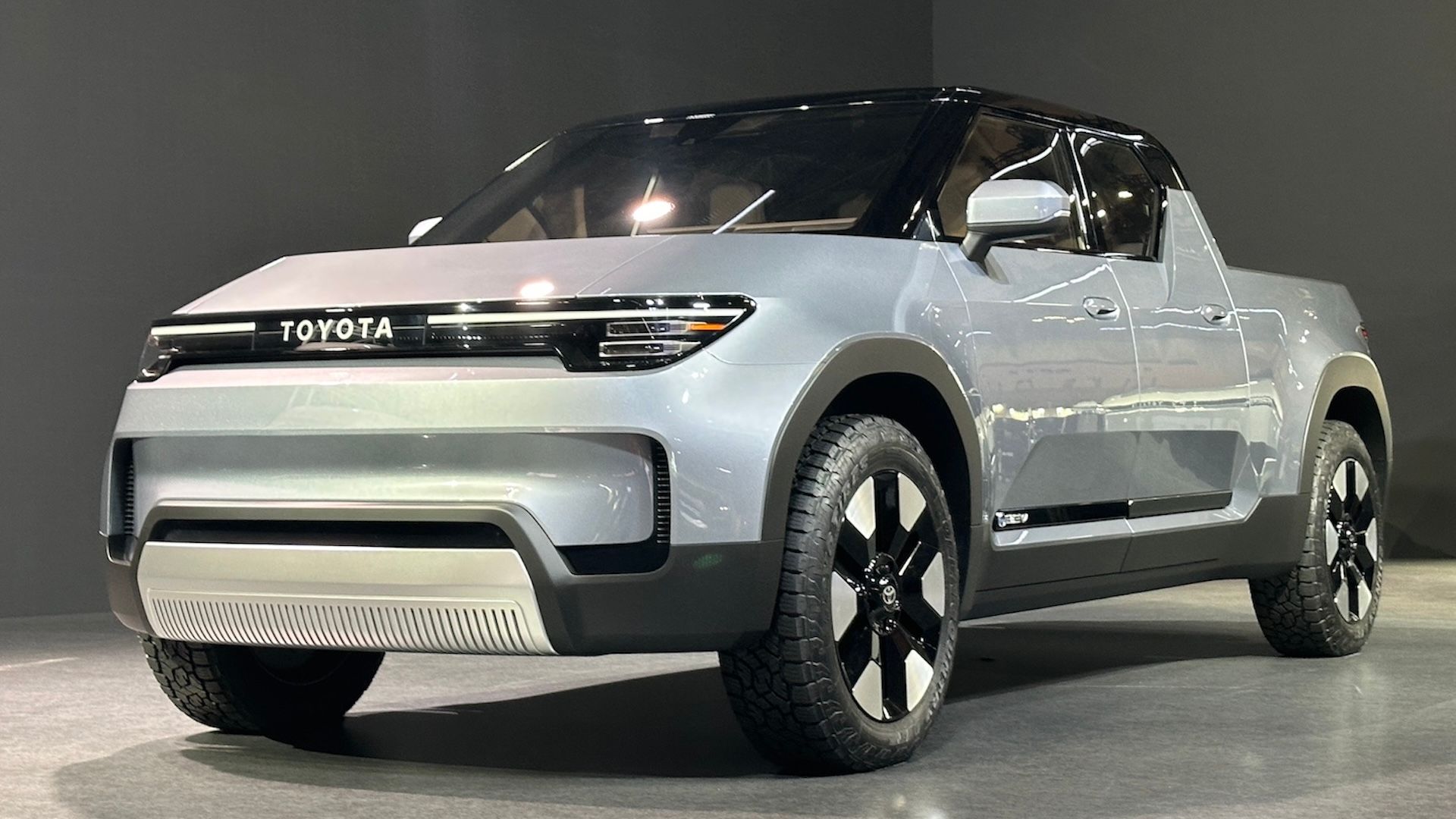
Investors are closely monitoring the rollout, with some analysts speculating that the truck’s launch could signal broader shifts in Argentina’s automotive industry. “If this model gains traction, it may encourage other manufacturers to explore similar offerings, potentially reshaping the market,” said a financial analyst at a Buenos Aires-based consulting firm.
The company behind the pickup has not yet announced a local distribution strategy or timelines for sales. Regulatory approvals and partnerships with local dealerships will likely determine the vehicle’s market penetration in the coming months.
