State Secretary De Bat is seeking an expedited legal framework to facilitate the construction of two new large-scale nuclear power plants in the Netherlands, according to local media reports. The initiative aims to accelerate the country’s energy transition, though it faces significant regional opposition and accusations of policy reversals regarding site selection.
- Legal Acceleration: The government is pursuing a “fast” legal route to bypass traditional bureaucratic delays.
- Scale: The current plan centers on the development of two large nuclear facilities.
- Regional Friction: Strong resistance is emerging from Terneuzen, Groningen, and the Paulinapolder region.
- Land Use: Concerns focus on the loss of high-value agricultural land to industrial energy projects.
Why is the Dutch government accelerating nuclear plant approvals?
The push for a “fast” legal route, championed by State Secretary De Bat, is designed to reduce the time between planning and operational capacity for new nuclear energy. According to local media reports, the government views this acceleration as necessary to meet energy targets and ensure grid stability. By streamlining the legal process, the administration hopes to minimize the window for litigation and regulatory hurdles that typically stall large-scale infrastructure projects.
Which regions are resisting the new nuclear sites?
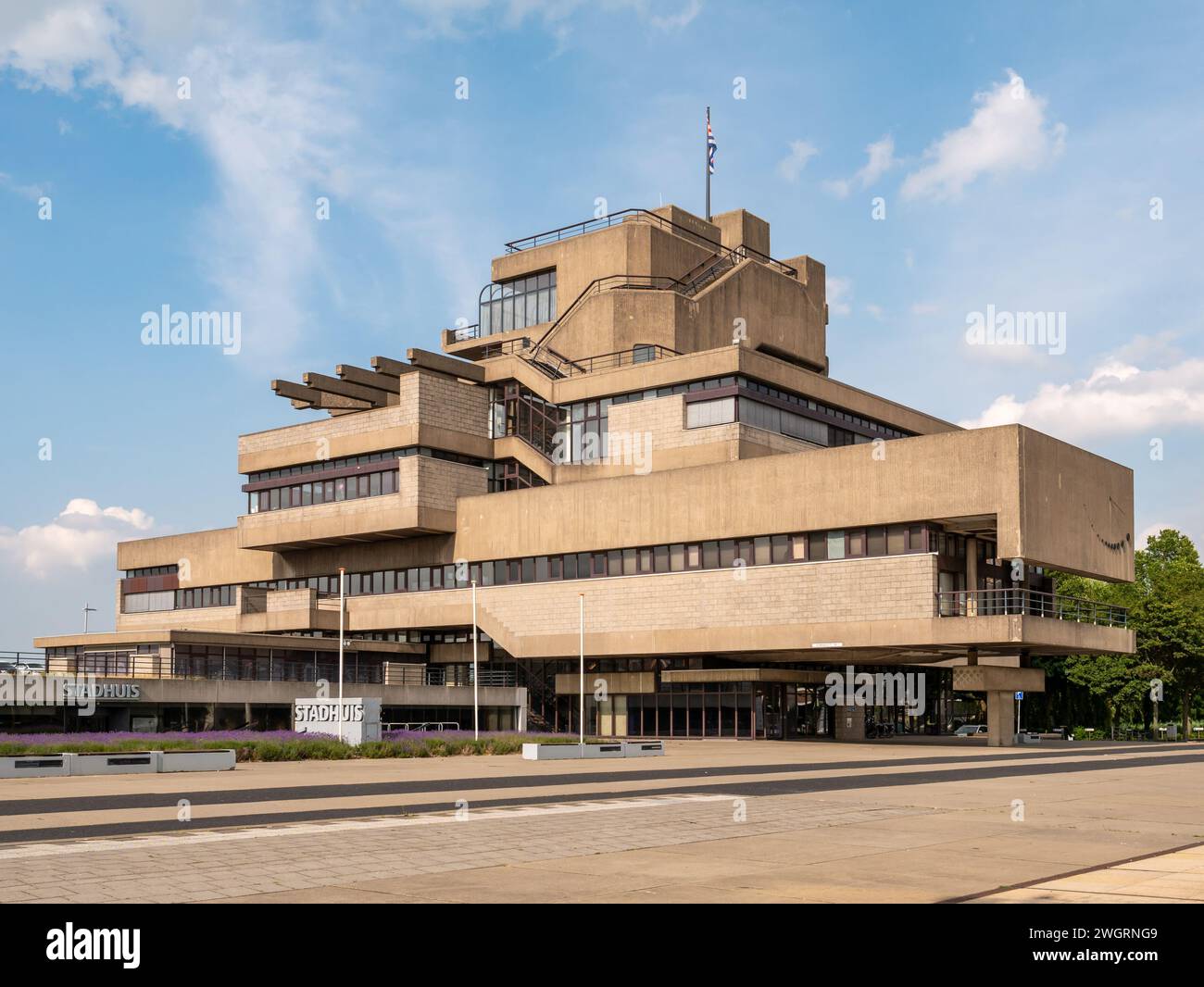
Opposition is mounting across several potential locations, with local governments and residents citing environmental and economic concerns. In Terneuzen, reports indicate the area is not eager to host the facilities. Similarly, the province of Groningen is increasingly being considered as a location despite local pushback, according to local media.
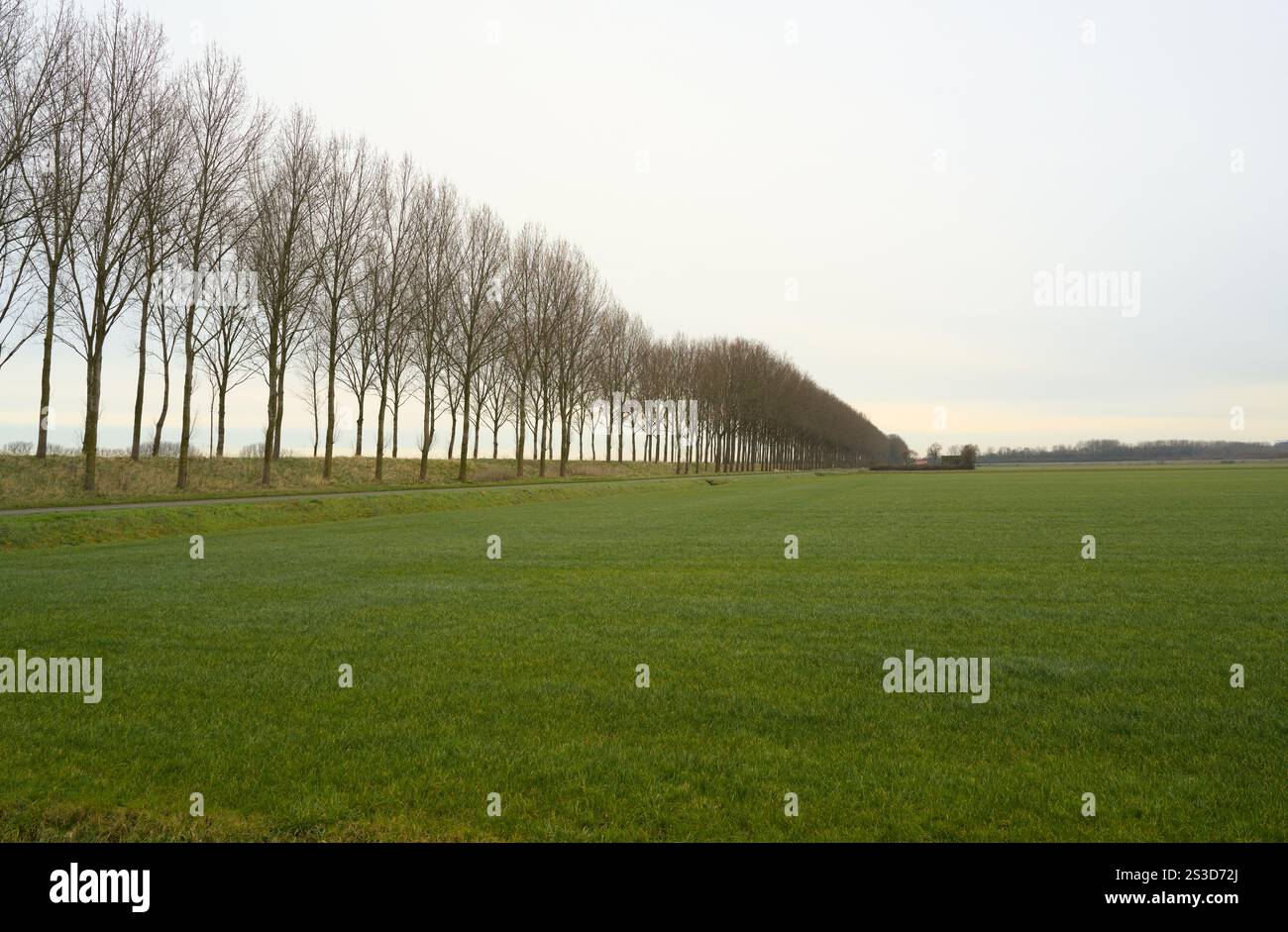
In the Paulinapolder area, the conflict centers on the economy of land use. Provincial council members have expressed strong disapproval over the potential conversion of farmland into an industrial site.
It is terrible to sacrifice agricultural land in the Paulinapolder.
— Provincial council members, according to local reports
How does this shift align with previous government promises?
The current focus on a limited number of sites has sparked a political debate over government consistency. According to local media reports, questions have been raised regarding why the cabinet appears to be breaking previous promises by narrowing the options for nuclear plant locations to only two primary choices.
This reduction in options suggests a shift toward a more centralized, rapid-deployment strategy rather than a broader, more consultative search for suitable locations. This move has intensified friction with regional authorities who feel excluded from the decision-making process.
What are the economic implications for agricultural land?
The tension in regions like Paulinapolder highlights a growing economic conflict between the energy transition and the agricultural sector. The removal of productive farmland for nuclear infrastructure represents a permanent loss of agricultural output and a shift in local land value. This transition from a primary agrarian economy to an energy-industrial hub is a central point of contention for local officials and landowners.
