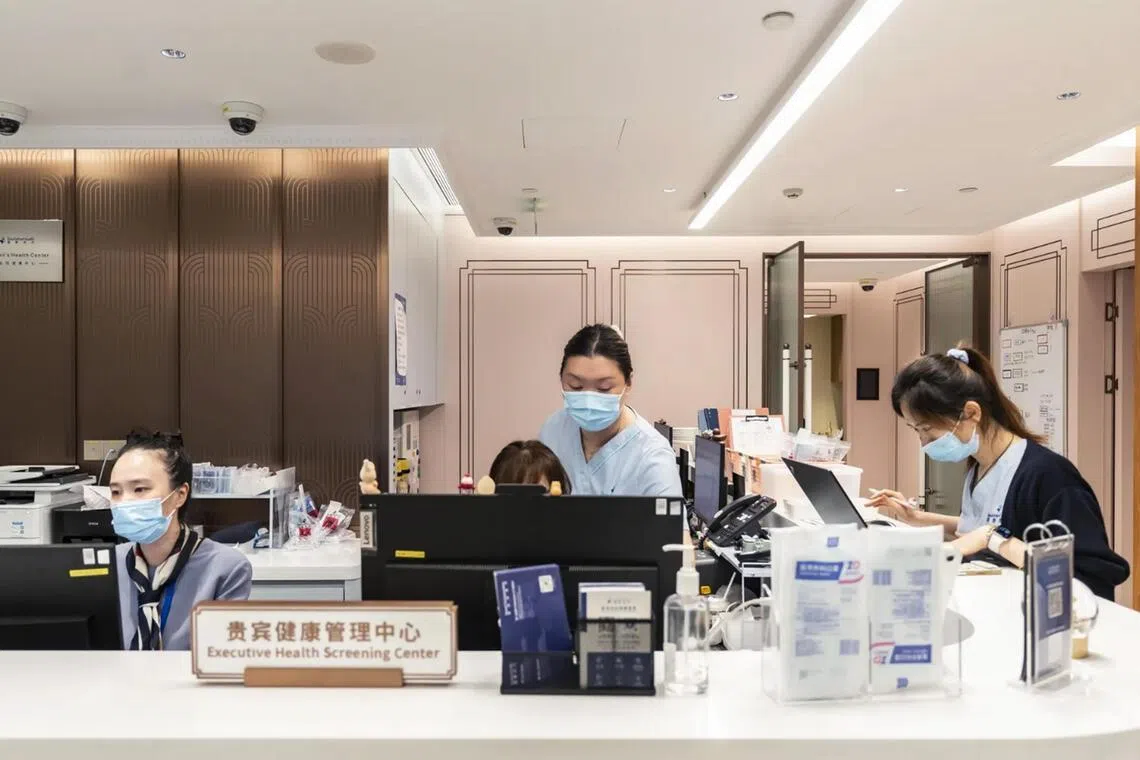
Why China Healthcare is Attracting Foreign Patients: The Rise of Medical Tourism in the East
China is drawing an increasing number of foreign patients by combining high-tech medical infrastructure, integrated Traditional Chinese Medicine (TCM), and competitive pricing for complex procedures. According to industry analysis, this shift is driven by rapid advancements in AI-driven diagnostics and government policies designed to open top-tier medical facilities to international clientele.
Why is China becoming a destination for international healthcare?
Foreign patients are increasingly choosing China for medical treatment due to a strategic blend of cutting-edge technology and holistic care. The primary draw is the “dual-track” approach, where hospitals combine Western surgical precision with Traditional Chinese Medicine (TCM) to manage recovery and chronic pain. This integration allows patients to access advanced oncology or cardiology treatments while utilizing acupuncture and herbal medicine for postoperative care.
According to healthcare sector reports, the proliferation of “International Departments” in Grade 3A hospitals—China’s highest tier of medical institutions—has lowered the barrier to entry. These departments provide English-speaking coordinators and streamlined billing, removing the logistical friction that previously deterred non-Chinese speakers.
Key drivers attracting foreign patients include:
- Technological Leapfrogging: Rapid adoption of robotic surgery and AI-assisted imaging.
- Cost Efficiency: Lower costs for specialized procedures compared to the U.S. or Western Europe.
- TCM Specialization: Unique access to authentic, hospital-grade traditional therapies.
- Scale of Experience: High patient volumes in Chinese hospitals often lead to surgeons having more “hands-on” experience with rare conditions.
How does China’s medical technology compete globally?
China’s investment in medical AI and biotechnology has moved the country from a follower to a leader in specific niches. In oncology and radiology, AI diagnostic tools developed in China are now used to detect early-stage cancers with precision rates that rival or exceed those in the West. According to medical tech analysts, the ability to process massive datasets from China’s huge population has accelerated the training of these AI models.
Robotic surgery is another area of growth. Chinese hospitals have integrated high-precision robotic systems for minimally invasive surgeries, reducing recovery times and scarring. This technological push is supported by state-funded research and development, which aims to make China a global hub for “smart medicine.”
“The integration of big data and AI into clinical workflows in China has created a high-efficiency environment that attracts patients seeking the fastest possible diagnosis and treatment pathways.”
What are the cost advantages of seeking treatment in China?
While luxury private clinics in cities like Shanghai and Beijing can be expensive, the overall cost of specialized care remains lower than in many developed nations. For complex surgeries—such as joint replacements or certain cardiac procedures—patients often find that the total cost, including travel, is significantly less than the out-of-pocket expenses in the United States or Singapore.
| Treatment Category | China (International Dept) | Western Hubs (Avg) | Primary Advantage |
|---|---|---|---|
| Specialized Oncology | Moderate | High | AI-assisted targeting |
| Orthopedic Surgery | Low to Moderate | High | Cost-to-outcome ratio |
| Chronic Pain/Wellness | Low | Moderate | Integrated TCM approach |
| Diagnostic Imaging | Low | Moderate | Rapid turnaround times |
This pricing strategy is often paired with “package deals” for international patients, which include airport transfers, translation services, and post-operative wellness retreats, making the experience resemble a medical vacation rather than a clinical visit.
Which medical specialties are most attractive to foreigners?
Certain fields have emerged as “centers of excellence” within the Chinese healthcare system. Oncology is a primary draw, particularly for patients seeking experimental immunotherapy or precision medicine. China’s rapid approval process for certain clinical trials allows patients to access cutting-edge drugs that may still be in early-stage testing elsewhere.
Cardiology and ophthalmology also rank high. The use of high-volume surgical centers means that Chinese specialists often perform a higher number of specific procedures annually than their counterparts in smaller markets. This “volume-based expertise” is a significant selling point for patients with complex conditions.
Additionally, the appeal of Traditional Chinese Medicine (TCM) cannot be overstated. Rather than being relegated to wellness spas, TCM is integrated into the clinical setting. Patients seeking alternatives to opioids for pain management or holistic treatments for autoimmune disorders frequently travel to China for supervised, hospital-based TCM programs.
Related explainer on global medical tourism trends provides more context on how other Asian hubs are responding to this shift.
What role does government policy play in this growth?
The increase in foreign patients is not accidental; it is the result of targeted policy shifts. The Chinese government has encouraged the development of “Medical Free Trade Zones,” specifically in areas like Hainan province. These zones allow for the use of overseas medicines and medical devices that have not yet been approved for the general domestic market, creating a “sandbox” for high-end international care.
Furthermore, visa policies have been eased for medical tourists. In some cases, specialized medical visas are granted to ensure that patients can stay for the duration of their treatment and recovery without the typical bureaucratic hurdles associated with short-term tourism.
Key policy milestones include:
- Establishment of Hainan Boao Lecheng: A pilot zone for innovative medical products.
- Expansion of Grade 3A International Wings: Standardizing care for non-residents.
- TCM Globalization Initiative: State support for exporting TCM knowledge and attracting patients.
What are the risks and barriers for foreign patients?
Despite the growth, significant hurdles remain. The most prominent is the “trust gap.” Many Western patients remain skeptical of the regulatory oversight in Chinese hospitals compared to the FDA or EMA standards. While Grade 3A hospitals are highly regulated, the lack of a universal, transparent rating system for individual doctors can make selection difficult.
Language remains a persistent barrier. While international departments provide translators, the nuance of medical consent and postoperative instructions can be lost in translation. There is also the issue of medical record portability; transferring detailed digital health records into Chinese systems often requires manual translation and verification, which can delay treatment.
Another concern is the legal framework. In the event of medical malpractice, foreign patients may find it challenging to navigate the Chinese legal system, as the processes for liability and compensation differ sharply from those in the West.
How does China compare to other medical tourism hubs?
For decades, Thailand and Singapore were the primary destinations for medical tourism in Asia. Thailand focused on affordability and “hospitality-style” care, while Singapore focused on ultra-high-end precision and prestige. China is positioning itself as a middle ground—offering the scale and technology of Singapore with a unique TCM value proposition and pricing that is often more competitive than Singapore’s.
Unlike Thailand, which excels in elective and cosmetic surgery, China is focusing more on “heavy” medicine: oncology, organ transplants, and complex neurology. This shifts the patient demographic from “wellness seekers” to “critical care seekers.”
Related analysis on comparative healthcare costs in Asia explores the pricing delta between these regions.
Common misconceptions about healthcare in China
A frequent misconception is that healthcare in China is a monolithic system of crowded public clinics. In reality, there is a stark divide between the general public wards and the international wings. Foreign patients typically do not experience the long queues associated with domestic care; instead, they enter a streamlined, private-pay ecosystem with dedicated concierge services.
Another myth is that TCM is used instead of Western medicine. In the hospitals attracting foreign patients, TCM is used alongside Western medicine. For example, a patient may receive a robotic tumor resection (Western) followed by a regimen of herbal teas and acupuncture to reduce chemotherapy-induced nausea (TCM).
FAQ: Seeking Healthcare in China
Is medical treatment in China safe for foreigners?
Treatment in Grade 3A hospitals is generally held to high international standards, especially in international departments. However, patients are advised to verify the credentials of their specific surgeon and ensure they have comprehensive medical travel insurance.
Do I need to speak Chinese to get treatment?
No. Most top-tier hospitals in major cities (Shanghai, Beijing, Guangzhou) have international departments with full-time English translators and coordinators to manage the patient experience.
What is the best way to find a reputable hospital in China?
Patients should look for Grade 3A hospitals, which are the highest-rated public hospitals in China. Using a certified medical tourism agency or a referral from a known international medical network is recommended for vetting specific specialists.
Can I use my home country’s insurance in China?
Some international insurance providers offer reimbursement for care in China, but it is rarely a direct-bill arrangement. Patients should confirm with their provider whether “out-of-country” specialized care is covered before traveling.
What is the typical duration of a medical trip to China?
This varies by procedure. Diagnostic trips can be as short as one week, while surgical interventions involving TCM recovery often require three to six weeks of stay to ensure proper postoperative care.
The trajectory of China’s healthcare sector suggests a move toward becoming a global medical superpower. By leveraging its massive data sets and integrating ancient practices with futuristic tech, China is successfully repositioning itself from a domestic provider to an international destination. For the foreign patient, the appeal lies in the ability to access high-volume expertise and innovative therapies that are often unavailable or prohibitively expensive in their home countries.
