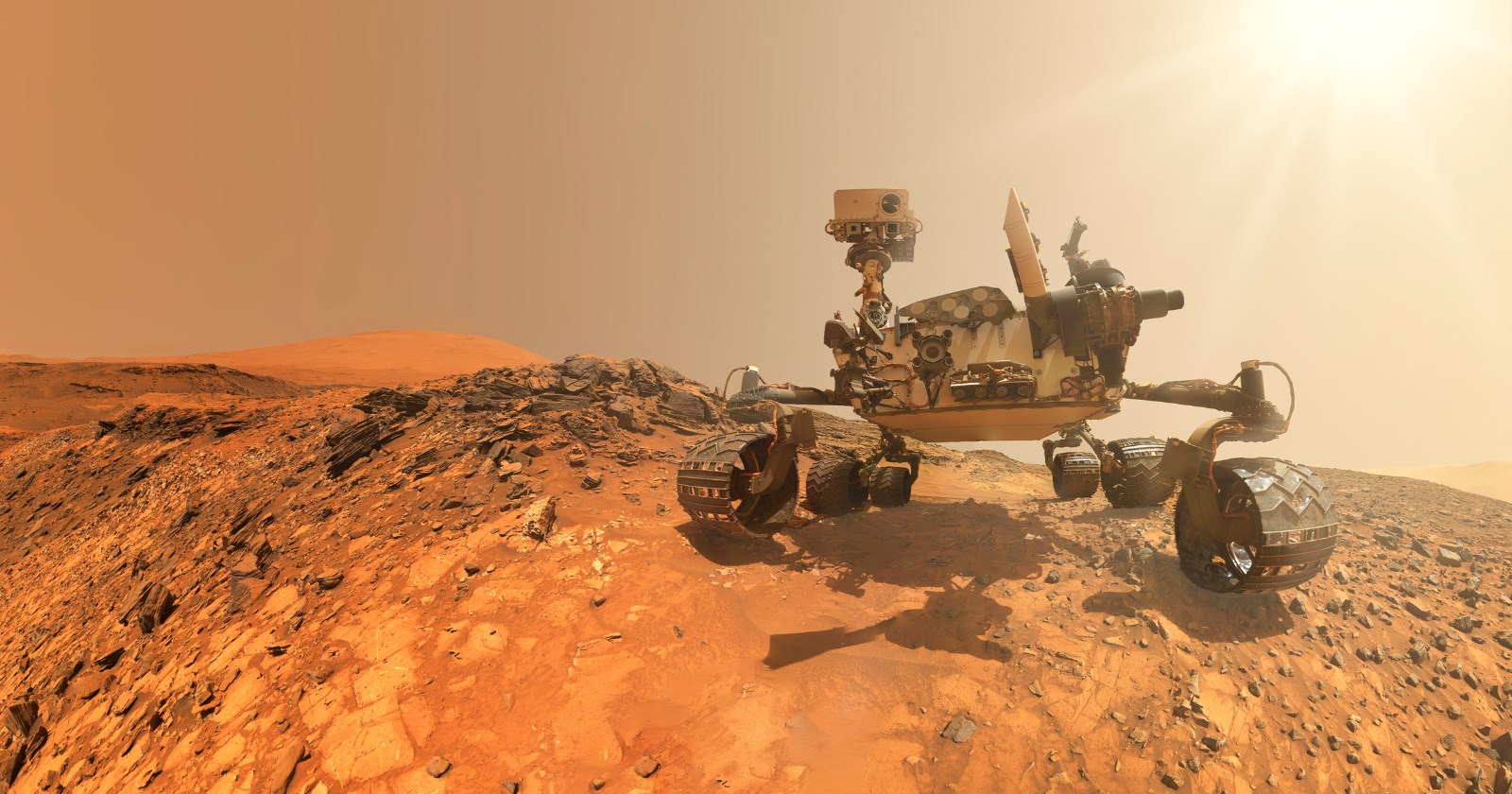
In November 2011, NASA launched a car-sized rover called Curiosity toward Mars on a planned two-year mission to look for evidence of ancient lakes and rivers — and almost 15 years later, the rover is still moving across the Martian surface, still drilling into r – Space Daily
NASA’s Curiosity rover continues to operate on Mars nearly 15 years after its November 2011 launch, far outlasting its original two-year mandate. According to NASA Science, the rover is currently executing operations during Sols 4920 through 4933, focusing on surveying geological bands and navigating toward a “Smooth Zone” to identify evidence of ancient water and habitable environments.
How Curiosity Exceeded Its Original Two-Year Mission
The Mars Science Laboratory (MSL) mission began with a specific, limited timeframe. In November 2011, NASA launched a car-sized rover called Curiosity toward Mars on a planned two-year mission to look for evidence of ancient lakes and rivers — and almost 15 years later, the rover is still moving across the Martian surface, still drilling into rocks. This longevity is the result of robust engineering and the use of a Multi-Mission Radioisotope Thermoelectric Generator (MMRTG), which provides steady power regardless of dust accumulation on solar panels.
While the primary mission was designed to last 748 Martian days (Sols), the rover has survived the harsh Martian environment for over 4,900 Sols. According to NASA Science, the rover’s ability to continue drilling and analyzing samples has allowed scientists to move beyond initial surveys and into deep stratigraphic analysis of the Martian crust.
Key milestones in Curiosity’s operational lifespan:
- 2011: Launch of the Mars Science Laboratory.
- 2012: Landing in Gale Crater via the “sky crane” maneuver.
- 2013-2015: Initial discovery of ancient streambeds and organic molecules.
- 2016-Present: Ascent of Mount Sharp to analyze different geological layers.
- Sols 4920-4933: Current focus on surveying geological bands and entering the Smooth Zone.
Current Operations: Surveying the Bands and the Smooth Zone
Recent data from the Curiosity Blog indicates that the rover is currently engaged in a high-priority survey of “bands” on the Martian surface. Between Sols 4920 and 4926, the rover focused on surveying these geological bands, which represent different time periods of Martian history deposited as layers of rock. According to NASA Science, these layers act as a chronological record of the planet’s climate and water history.
Following the survey of these bands, the rover transitioned into a new phase of movement. Between Sols 4927 and 4933, Curiosity began driving toward a region described as the “Smooth Zone.” This area is of particular interest to researchers because the lack of jagged terrain often suggests different sedimentary processes, potentially indicating where water once pooled or flowed more consistently.
The rover continues to use its onboard drill to extract powdered rock from the interior of these formations. This process allows the Sample Analysis at Mars (SAM) instrument to detect organic compounds and minerals that would be destroyed by surface radiation.
| Operational Phase | Sol Range | Primary Objective | Target Terrain |
|---|---|---|---|
| Surveying the Bands | 4920-4926 | Stratigraphic Analysis | Geological Bands |
| Driving to Smooth Zone | 4927-4933 | Terrain Navigation | Smooth Zone |
The Search for Ancient Lakes and Rivers
The core scientific objective of the mission remains the search for evidence of ancient liquid water. According to reports from Space Daily and NASA Science, Curiosity was sent to Gale Crater specifically because the region showed signs of being an ancient lakebed. The rover’s findings have confirmed that Gale Crater once hosted a freshwater lake that could have supported microbial life.

The “bands” currently being surveyed are critical to this research. In geology, these bands are known as strata. By analyzing the chemistry of each layer, NASA scientists can determine when the environment transitioned from wet to dry. This timeline is essential for understanding why Mars lost its atmosphere and surface water.
The rover uses several key instruments to conduct this research:
- ChemCam: A laser that vaporizes small amounts of rock to analyze its composition.
- SAM (Sample Analysis at Mars): A suite of tools that searches for organic compounds and measures isotopes.
- MAHLI (Mars Hand Lens Imager): A camera that provides microscopic views of rock textures.
Technical Challenges and Hardware Endurance
Maintaining a car-sized rover on a different planet for nearly 15 years presents significant engineering hurdles. The Martian environment is characterized by extreme temperature swings, abrasive dust, and high radiation. According to NASA Science, the rover’s wheels have suffered significant wear and tear over the years, forcing engineers to modify driving patterns to avoid sharp rocks.
The transition to the “Smooth Zone” is not just a scientific choice but a tactical one. Driving on smoother terrain reduces the mechanical stress on the rover’s chassis and wheels, extending the operational life of the vehicle. This strategic navigation allows the mission to continue even as hardware degrades.
Unlike earlier rovers like Spirit and Opportunity, which relied on solar power, Curiosity’s nuclear battery ensures it can operate during the Martian winter and through global dust storms that would otherwise terminate a solar-powered mission. This power source is the primary reason the mission has lasted more than six times its original planned duration.
Comparing Curiosity to the Perseverance Rover
While Curiosity continues its work, NASA has since landed the Perseverance rover in Jezero Crater. The two rovers operate with different but complementary goals. While Curiosity focuses on the habitability of ancient Mars—determining if the environment could have supported life—Perseverance is focused on biosignatures—actually searching for signs of ancient life itself.
Curiosity’s long-term presence provides a baseline for Martian weather and geological patterns that Perseverance can use. For example, Curiosity’s study of the atmospheric methane spikes has provided crucial data that informs how Perseverance analyzes the atmosphere in Jezero Crater.
A key difference lies in their ultimate goals: Curiosity analyzes samples in situ (on the spot), whereas Perseverance is collecting and caching samples for a future Return to Earth mission. However, Curiosity’s ability to drill deep into the “bands” of Mount Sharp remains a unique capability for understanding long-term planetary evolution.
Why the “Smooth Zone” Matters for Future Exploration
The current drive toward the Smooth Zone, as detailed in the Curiosity Blog for Sols 4927-4933, serves as a test case for future human exploration. Understanding how to navigate different Martian terrains and identifying the most stable geological surfaces is critical for planning future landing sites for crewed missions.
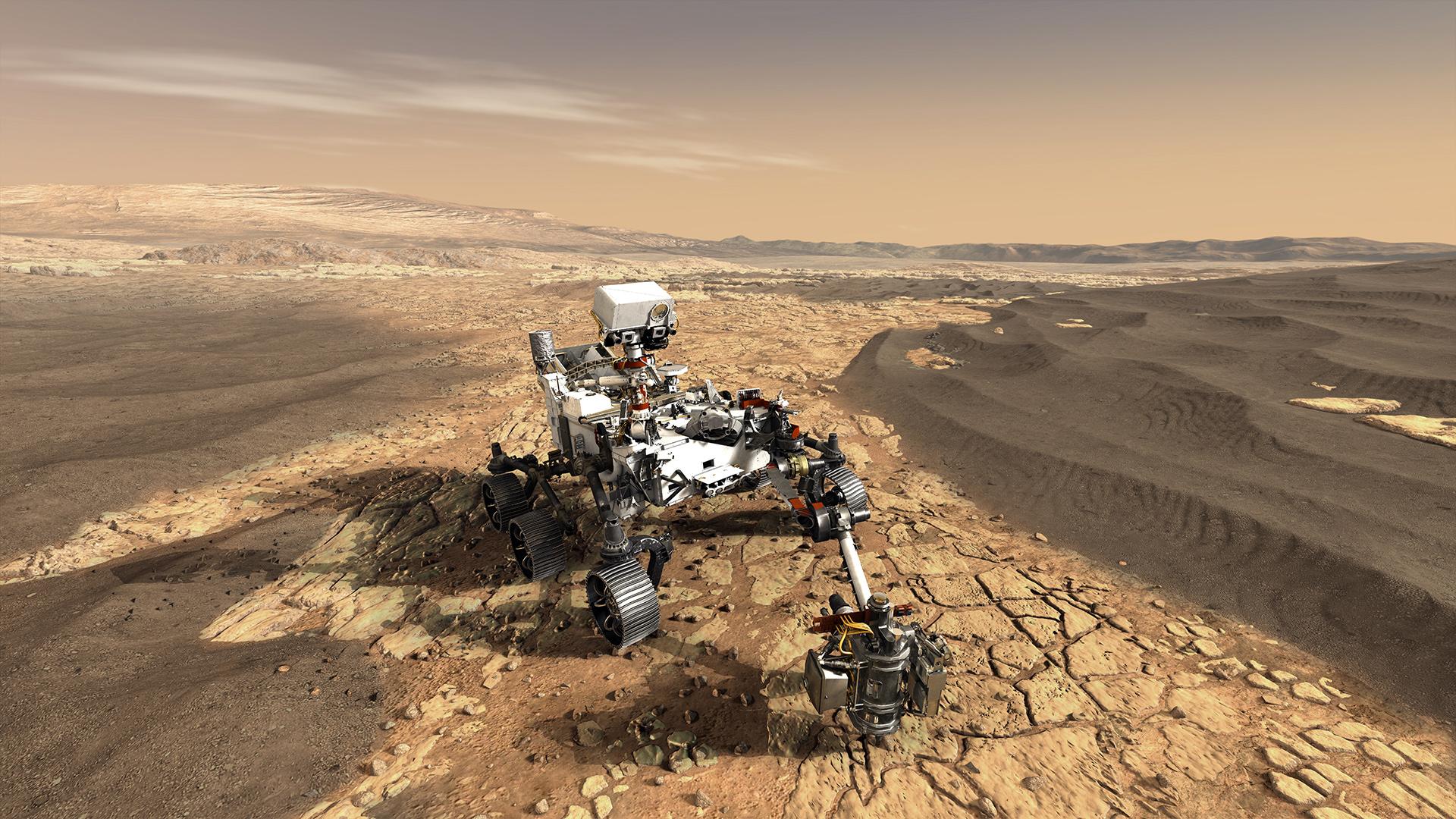
According to NASA Science, the Smooth Zone may contain deposits of minerals that are easier to analyze or more likely to preserve organic material. If Curiosity finds significant organic markers in this region, it could redefine the priority list for where future sample-return missions should land.
The rover’s movement is a slow, deliberate process. Every meter driven is calculated by teams on Earth to ensure the rover does not become trapped in soft sand or suffer a critical wheel failure. This cautious approach is what has allowed a two-year mission to stretch into a 14-year odyssey.
Common Misconceptions About the Curiosity Mission
There are several frequent misunderstandings regarding the status and capabilities of the Curiosity rover. One common myth is that the rover “died” or was replaced by Perseverance. In reality, both rovers are active simultaneously, providing a dual-point data stream from different parts of the planet.
Another misconception is that the rover is searching for “living” aliens. NASA Science clarifies that the mission is focused on ancient habitability. The goal is to find evidence that Mars was habitable billions of years ago, not to find current biological entities on the surface.
Finally, some believe the rover is fully autonomous. While Curiosity can handle some basic obstacle avoidance, the majority of its movements and drilling targets are planned by scientists and engineers at the Jet Propulsion Laboratory (JPL) on Earth, with commands sent via the Deep Space Network.
The Scientific Impact of Long-Term Martian Presence
The decision to keep Curiosity operational far beyond its deadline has provided “information gain” that a shorter mission could never achieve. By staying on the surface for over a decade, NASA has been able to observe seasonal changes in the Martian atmosphere and soil over multiple Martian years.
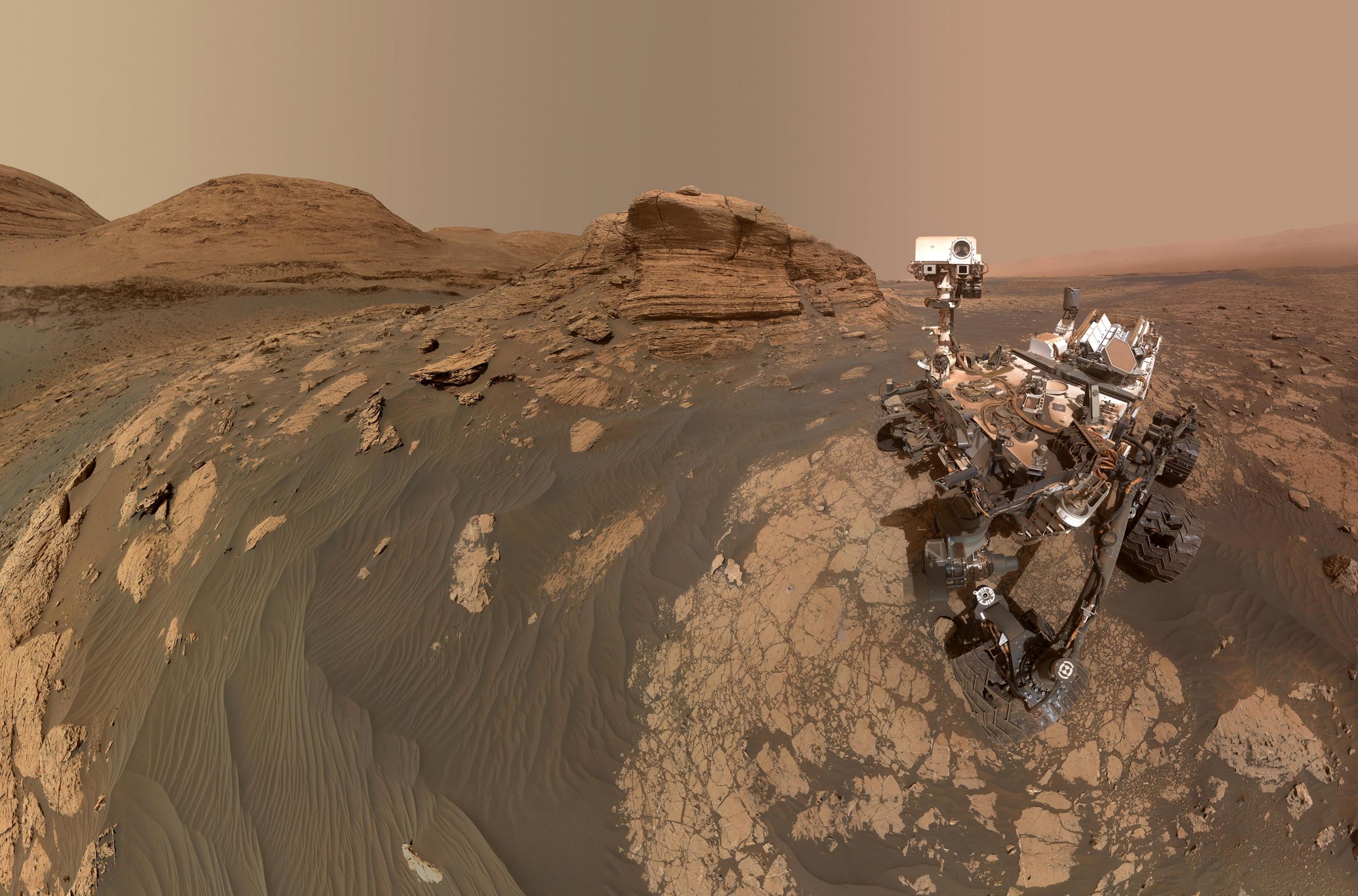
According to Space Daily, this long-term data has revealed that Mars is more geologically active than previously thought. The discovery of varying concentrations of minerals across the “bands” of Mount Sharp suggests that the Martian climate underwent several dramatic shifts, moving from a warm, wet world to the frozen desert seen today.
This longitudinal study is a first in planetary exploration. No other rover has spent this much time in a single location, allowing for a depth of study that transforms Mars from a distant object of study into a mapped and understood geological territory.
For those interested in how NASA manages these extended missions, a related explainer on planetary mission extensions may provide further context on the funding and technical requirements for such endeavors.
Frequently Asked Questions
How is Curiosity still powered after 14 years?
Curiosity uses a Multi-Mission Radioisotope Thermoelectric Generator (MMRTG). This device converts heat from the natural decay of plutonium-238 into electricity, allowing the rover to operate without relying on sunlight, which is often blocked by Martian dust.
What are “Sols” in the context of the Curiosity Blog?
A “Sol” is a solar day on Mars. Because Mars rotates slightly slower than Earth, one Sol is approximately 24 hours and 39 minutes long. NASA uses Sols to track the rover’s timeline and mission progress.
What is the “Smooth Zone” mentioned in recent updates?
The Smooth Zone is a specific geological area on the Martian surface characterized by a lack of jagged rocks and boulders. According to NASA Science, it is a target for exploration because it may contain different sedimentary deposits and is safer for the rover to navigate.
Did Curiosity find evidence of ancient water?
Yes. According to NASA Science and Space Daily, Curiosity has found extensive evidence of ancient streambeds and a freshwater lake in Gale Crater, confirming that Mars once had liquid water on its surface.
What happens when Curiosity finally stops working?
When the rover eventually suffers a catastrophic failure or runs out of power, it will remain on the surface as a permanent monument and scientific record. Its data will continue to be analyzed by scientists on Earth for decades to come.
The continued operation of the rover represents one of the most successful endurance tests in the history of space exploration. From its launch in November 2011 to its current maneuvers in the Smooth Zone, Curiosity has transformed our understanding of the Red Planet. As it continues to drill into the Martian crust, each sample brings the scientific community closer to understanding whether Earth was once the only habitable world in our solar system.
