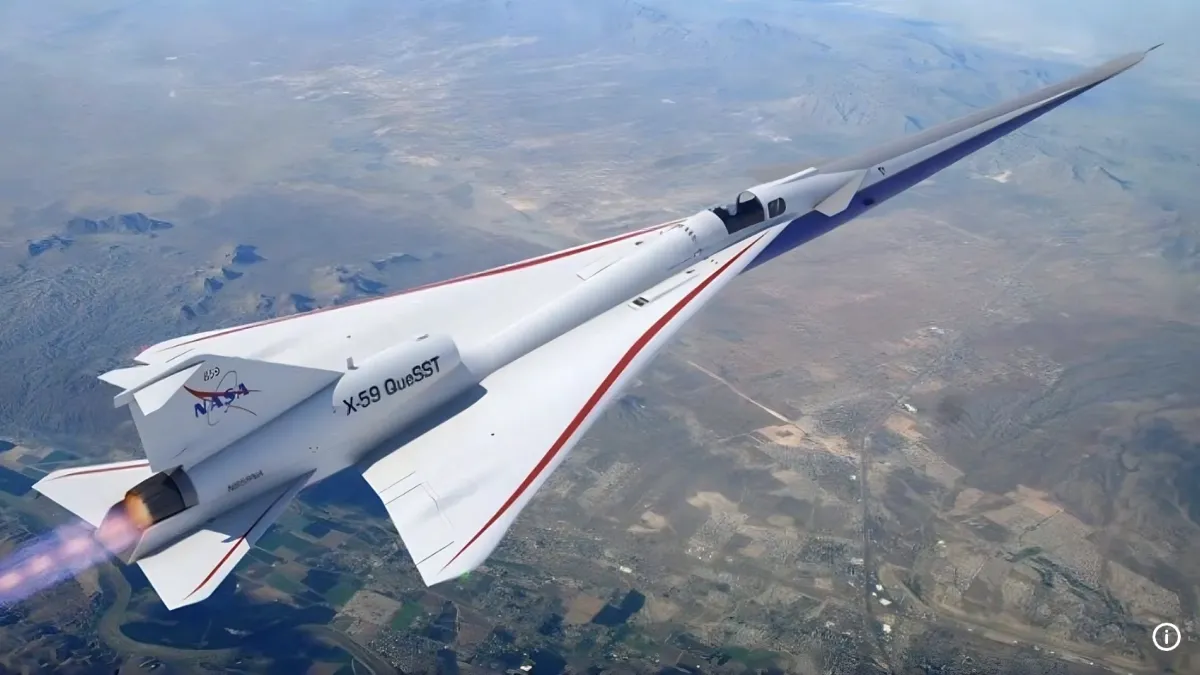
NASA’s X-59 experimental aircraft has broken the sound barrier for the first time during its initial supersonic test flight. This achievement marks a critical step toward the possibility of high-speed commercial travel that could potentially link Europe and America in just four hours, according to recent reports.
The First Supersonic Flight
The X-59 recently completed its first supersonic test flight, successfully surpassing the speed of sound. According to media reports, this milestone confirms the aircraft’s ability to operate in the supersonic regime, moving the project from theoretical design and subsonic testing into active high-speed evaluation.
Impact on Global Travel
The primary objective behind the X-59’s development is the transformation of long-haul aviation. Reports indicate that the technology being tested could eventually enable flights between Europe and America to be completed in four hours. By proving the viability of this experimental platform, NASA is exploring how to make supersonic travel a practical reality for international transit.
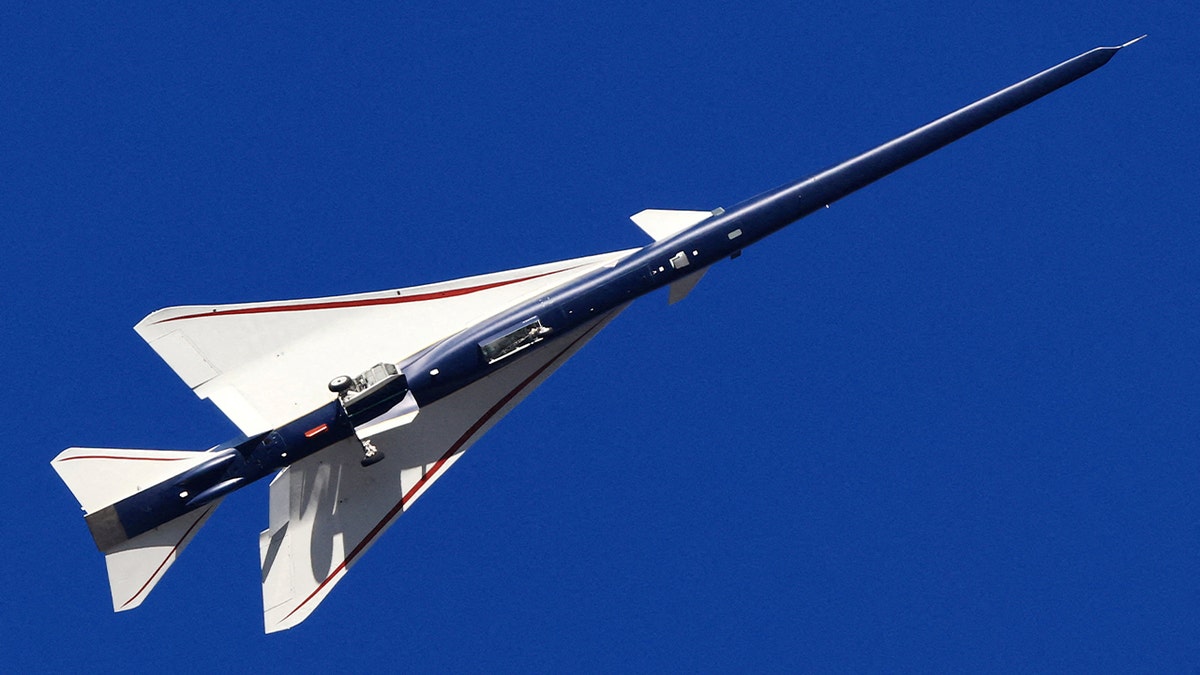
The “Son of the Concorde”
Due to its mission to revive high-speed flight, the X-59 has been described by some observers as the “son of the Concorde.” The flight has attracted significant international attention as it attempts to overcome the historical and technical barriers that limited previous generations of supersonic passenger aircraft. While the original Concorde defined an era of elite high-speed travel, the X-59 represents a modern effort to refine and potentially broaden the application of supersonic flight.
