MSCI Flags Indonesia Market Accessibility Concerns in Review
MSCI has identified concerns regarding market accessibility in Indonesia during its latest index review process, according to reporting by Bloomberg. These flags indicate that barriers to foreign investment may limit the “investability” of Indonesian equities, potentially impacting the weight of the country within MSCI’s emerging market indices and influencing global passive fund flows.
What are the specific market accessibility concerns flagged by MSCI?
Market accessibility refers to the ease with which foreign institutional investors can enter and exit positions in a country’s equity market without facing prohibitive regulatory or operational hurdles. According to Bloomberg, MSCI’s review of Indonesia has highlighted frictions that prevent the market from being fully “open” by global standards.
These concerns typically center on several key regulatory and structural bottlenecks:
- Foreign Ownership Limits (FOLs): Restrictions on the percentage of a company’s shares that can be held by non-residents. When a stock hits its FOL, foreign investors cannot buy more shares on the open market, even if the company is highly profitable.
- Trading Restrictions: Rules regarding how shares are traded, settled, and cleared, which can create delays or increase costs for international funds.
- Custody and Settlement Issues: The efficiency of the local infrastructure used to hold assets and execute trades.
- Capital Controls: Any limitations on the ability to repatriate dividends or capital gains in foreign currency.
When MSCI flags these issues, it doesn’t necessarily mean a market will be downgraded. Instead, it often results in a lower “Foreign Investable Market Cap” (FIMC). This means that while a company may have a massive total market capitalization, MSCI only counts the portion of those shares that are actually available for foreign purchase. This distinction directly reduces the weight of those stocks in the index.
Why does MSCI’s review impact foreign investment in Indonesia?
The influence of MSCI stems from the prevalence of passive investing. Trillions of dollars in global capital are managed by index funds and ETFs that track MSCI indices. These funds do not pick stocks based on individual merit; they simply buy whatever the index tells them to buy, in the exact proportions specified.
If MSCI reduces the investability weight of Indonesia due to accessibility concerns, the following chain reaction occurs:
- Weight Reduction: The percentage of the MSCI Emerging Markets Index allocated to Indonesia drops.
- Automatic Selling: Passive funds must sell Indonesian equities to align their portfolios with the new, lower index weight.
- Price Pressure: Large-scale selling by passive funds can create downward pressure on stock prices, regardless of the companies’ fundamental health.
- Reduced Attractiveness: Active managers may view the flags as a signal of regulatory risk, making them more cautious about allocating new capital to the region.
“The gap between a market’s total capitalization and its investable capitalization is a critical metric for global fund managers. Any increase in that gap effectively shrinks the market’s footprint in the eyes of passive capital,” according to standard emerging market analysis frameworks.
How do accessibility flags compare to market classification?
It is important to distinguish between market accessibility and market classification. Classification refers to whether a country is labeled as a “Developed,” “Emerging,” or “Frontier” market. Accessibility is a component of that classification but also affects the internal weighting of a market already classified as Emerging.
Indonesia is already an Emerging Market. The current concerns flagged by MSCI are not about moving Indonesia back to “Frontier” status, but rather about how much of the Indonesian market is actually usable for global investors. This is a more granular issue that affects specific stocks and the overall country weight.
| Feature | Market Classification | Market Accessibility |
|---|---|---|
| Focus | Overall economic and regulatory maturity. | Practical ability to buy/sell shares. |
| Impact | Determines which broad indices a country joins. | Determines the weight of specific stocks in an index. |
| Primary Driver | GDP, legal frameworks, governance. | FOLs, trading rules, settlement speed. |
| Result of Failure | Downgrade (e.g., Emerging to Frontier). | Lower “Foreign Investable Market Cap” (FIMC). |
What is the role of the OJK and IDX in resolving these issues?
To address the concerns flagged by MSCI, the Indonesian government and its financial regulators must implement structural changes. The two primary entities involved are the Otoritas Jasa Keuangan (OJK), the financial services authority, and the Indonesia Stock Exchange (IDX).
For Indonesia to improve its accessibility score, the OJK and IDX would likely need to consider the following actions:
- Liberalizing Foreign Ownership: Raising or removing FOLs for key sectors, particularly in banking and telecommunications, where limits are often most restrictive.
- Streamlining Investor Registration: Reducing the bureaucratic burden for foreign institutional investors to open accounts and trade.
- Enhancing Market Infrastructure: Upgrading the settlement systems to ensure faster and more transparent transaction cycles.
- Improving Transparency: Ensuring that corporate governance and disclosure requirements meet international standards, reducing the risk for foreign entrants.
Historically, the Indonesian government has balanced the desire for foreign capital with the goal of protecting domestic ownership of strategic assets. This tension often creates the very “accessibility concerns” that index providers like MSCI flag during their reviews.
Comparing Indonesia’s challenges with other ASEAN markets
Indonesia is not alone in facing accessibility hurdles. Other Southeast Asian nations have struggled with similar issues, providing a precedent for how these flags are handled.
Vietnam serves as a primary example. Vietnam has long sought an upgrade from “Frontier” to “Emerging” market status. However, MSCI has repeatedly cited “pre-funding” requirements (where investors must have cash in their accounts before a trade is executed) and strict foreign ownership limits as major barriers. Vietnam’s experience shows that simply having a growing economy is not enough; the plumbing of the financial system must be open to global standards.
Thailand and Malaysia generally have higher accessibility scores than Indonesia or Vietnam, but they still face occasional scrutiny regarding liquidity and the concentration of ownership among a few large entities. By contrast, Indonesia’s current flags suggest that it is facing a specific set of regulatory frictions that could hinder its ability to attract the next wave of global passive capital.
For more context on regional trends, readers may find a related explainer on ASEAN market volatility useful.
What are the potential short-term and long-term consequences?
The consequences of MSCI flagging Indonesia’s accessibility can be split into immediate market reactions and long-term strategic shifts.
Short-Term Impact
In the immediate wake of such a review, volatility is the most likely outcome. Traders often anticipate index changes, leading to “front-running” where investors sell stocks they expect will be downgraded or underweight before the official change takes effect. This can lead to a temporary dip in the prices of the most heavily weighted Indonesian stocks.
Long-Term Impact
If accessibility concerns persist, Indonesia risks a “valuation discount.” This means that Indonesian stocks may trade at lower price-to-earnings (P/E) ratios than their peers in other emerging markets because the “accessibility risk” is priced in. Long-term institutional investors, such as pension funds and sovereign wealth funds, may limit their exposure to Indonesia, preferring markets with cleaner regulatory environments.
Conversely, if the Indonesian government responds by loosening FOLs and improving market infrastructure, it could trigger a significant upgrade in capital inflows. Removing barriers often leads to a “rerating” of the market, where stocks see a valuation boost as they become accessible to a wider pool of global buyers.
Common misconceptions about MSCI index reviews
There are several frequent misunderstandings regarding how MSCI reviews operate and what their flags actually mean for the average investor.
Misconception 1: A “flag” is the same as a “downgrade.”
A flag is a warning or a notation of a problem. A downgrade is a formal change in classification (e.g., from Emerging to Frontier). MSCI can flag accessibility concerns while still keeping Indonesia in the Emerging Markets index. The impact is on weighting, not category.
Misconception 2: Only the government can fix these issues.
While the OJK sets the rules, the IDX (the exchange) must implement the technology and operational workflows. Additionally, individual companies can sometimes move to resolve accessibility issues by issuing new share classes or changing their own corporate charters to allow more foreign ownership.
Misconception 3: These reviews only affect giant corporations.
While the largest companies (the “blue chips”) have the most to lose from weight reductions, the overall sentiment of the market is affected. When the “big players” see capital outflows, it often dampens liquidity across the entire exchange, affecting mid-cap and small-cap stocks as well.
Timeline of MSCI Review Processes
MSCI does not review markets randomly; it follows a strict, transparent calendar. Understanding this timeline helps investors anticipate volatility.
| Event | Frequency | Purpose |
|---|---|---|
| Quarterly Index Review | Every 3 Months | Adjusts constituents based on market cap and liquidity. |
| Semi-Annual Review | Twice a Year | More comprehensive look at market structure and weightings. |
| Market Classification Review | Annual/Periodic | Determines if a country moves between Frontier, Emerging, or Developed. |
| Accessibility Monitoring | Ongoing | Tracks regulatory changes, FOLs, and trading frictions. |
Frequently Asked Questions
What is the main reason MSCI flagged Indonesia’s market accessibility?
According to reports by Bloomberg, MSCI is concerned about barriers that make it difficult for foreign investors to freely trade Indonesian equities. This typically includes foreign ownership limits (FOLs) and other regulatory frictions that reduce the amount of shares available to international buyers.
How does “investability” differ from “market capitalization”?
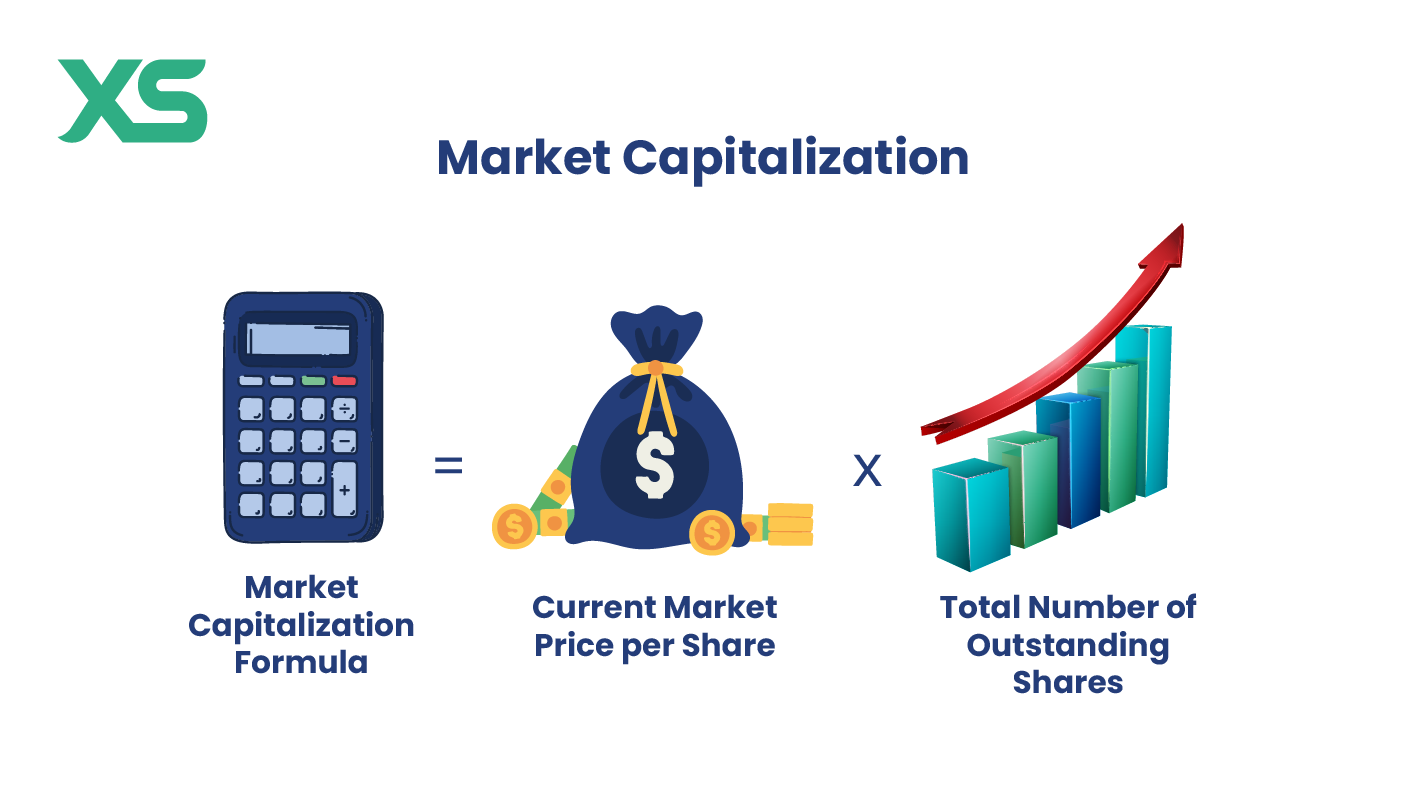
Market capitalization is the total value of all a company’s shares. Investability (or Foreign Investable Market Cap) is only the portion of those shares that foreign investors are legally allowed to own and trade. If a company has a $10 billion market cap but a strict 40% foreign ownership limit, its investable market cap is only $4 billion.
Will this cause Indonesian stocks to crash?
A “crash” is unlikely, but localized volatility is common. The primary risk is that passive index funds may reduce their holdings to match a lower weight in the MSCI index, which can put downward pressure on the prices of the largest stocks in the index.
Can Indonesia fix these accessibility concerns?
Yes. The Indonesian government, through the OJK and IDX, can improve accessibility by raising foreign ownership limits, simplifying investor registration, and upgrading the technical infrastructure of the stock exchange.
Why does a report from Bloomberg matter for a retail investor?
Institutional investors move the market. When a major outlet like Bloomberg reports that a provider like MSCI is flagging a market, it signals to global fund managers that there is a potential risk. This often leads to shifts in capital that eventually affect the stock prices retail investors hold.
The outcome of these accessibility flags will depend largely on the Indonesian government’s willingness to prioritize global capital openness over domestic ownership protections. As MSCI continues its review process, the focus will remain on whether the OJK and IDX can implement concrete reforms to align the Indonesian market with international standards.
