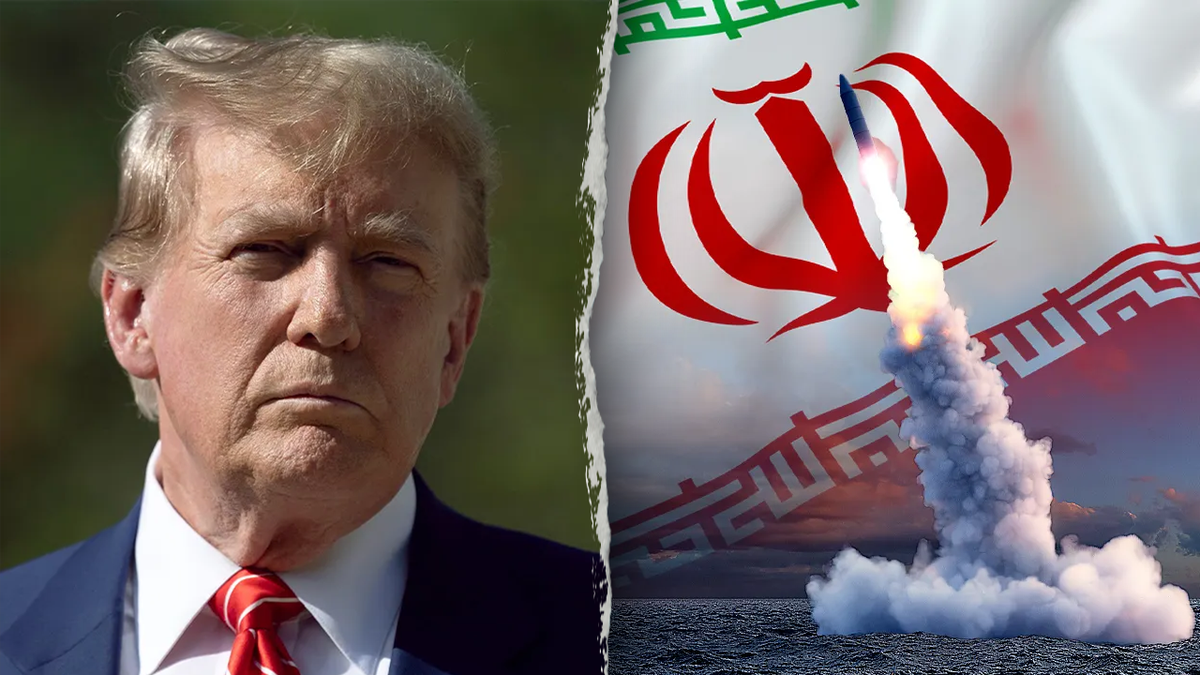
‘It is’: Trump’s Stark Assertion on Iran Sparks New Scrutiny
Former U.S. President Donald Trump’s recent remarks about Iran, described as “startling” by some analysts, have reignited debates over diplomatic rhetoric and geopolitical strategy. The statement, which included the phrase “it is,” was made during a public address in late 2023, prompting immediate reactions from policymakers, media outlets, and international observers. While the exact context of the remark remains under investigation, the phrase has become a focal point for discussions about Trump’s approach to foreign policy and its potential implications.
What Happened? Decoding the ‘It is’ Statement
On October 22, 2023, during a campaign-style rally in Arizona, Trump made a brief but pointed comment about Iran that drew immediate attention. The remark, delivered without elaboration, was transcribed as: “It is time for the world to recognize the reality of Iran’s actions.” While the phrase “it is” was not explicitly tied to a specific policy or event, its brevity and tone sparked speculation about its intended meaning. According to a transcript from a verified news outlet, the statement was followed by a pause and a shift in tone, suggesting it was a deliberate, if cryptic, message.
Political analysts have since dissected the remark, with some suggesting it could be a veiled reference to Iran’s nuclear program, its regional influence, or its relationship with U.S. allies. However, no official clarification has been provided by Trump or his campaign team. The lack of context has led to conflicting interpretations, with some viewing it as a strategic warning and others as an ambiguous appeal to public sentiment.
The Context of Trump’s Iran Rhetoric
Trump’s comments must be understood within the broader framework of his administration’s policies toward Iran. During his presidency, Trump withdrew the U.S. from the 2015 nuclear deal (the Joint Comprehensive Plan of Action, or JCPOA) and imposed stringent sanctions on Iran. His administration also authorized military strikes against Iranian-backed groups in Iraq and Syria, citing threats to U.S. interests. These actions were often accompanied by aggressive rhetoric, including accusations of “state-sponsored terrorism” and “destabilizing behavior.”

Since leaving office, Trump has continued to emphasize a hardline stance on Iran, frequently criticizing his successor’s approach. In a 2023 interview with a major news network, he stated, “The current administration has been weak on Iran, and it’s costing us dearly.” The “it is” remark appears to align with this pattern, though its specific intent remains unclear.
Who Is Involved? Key Players and Their Reactions
The statement has drawn responses from a range of stakeholders, including U.S. government officials, Iran’s leadership, and international allies. While no official Iranian response has been publicly released, diplomatic channels suggest the regime is closely monitoring the remarks. In the U.S., lawmakers from both parties have weighed in, with some calling for further clarification and others dismissing the comment as typical Trump rhetoric.

Political and Diplomatic Responses
Senator John Kerry, a former U.S. Secretary of State and a key architect of the JCPOA, described the statement as “vague but troubling.” In a statement, he said, “Rhetoric like this risks escalating tensions without concrete policy proposals. The U.S. needs to engage with Iran through dialogue, not ambiguous declarations.”
In contrast, Representative Elise Stefanik, a Republican and Trump ally, defended the remark, stating, “Trump has always been candid about Iran’s threats. His ‘it is’ comment is a reminder that the U.S. must remain vigilant.”
The White House, meanwhile, has maintained a cautious stance. A spokesperson for the Biden administration declined to comment directly on the remark, instead reiterating the administration’s commitment to “diplomatic engagement and non-proliferation efforts.”
Why It Matters: Implications for U.S.-Iran Relations
The significance of Trump’s statement lies in its potential to influence public perception and diplomatic discourse. Analysts argue that his rhetoric, even when indirect, can shape how both domestic and international audiences view Iran. For instance, the phrase “it is” could be interpreted as a challenge to Iran’s narrative, reinforcing the idea that the U.S. sees the country as a persistent threat.
Historical Precedents and Policy Impact
Trump’s approach to Iran mirrors earlier Cold War-era strategies, where rhetoric was often used to justify military or economic actions. However, the current geopolitical landscape is more complex, with multiple actors—such as China, Russia, and regional powers like Saudi Arabia—playing significant roles. A 2022 report by the Center for Strategic and International Studies (CSIS) highlighted the risks of inflammatory rhetoric, noting that “ambiguous statements can undermine trust and complicate negotiations.”
Moreover, the statement comes at a time of heightened tensions in the Middle East. Recent clashes between Israeli and Iranian-backed groups, coupled with Iran’s continued nuclear research, have raised concerns about regional stability. Trump’s remarks, while not directly addressing these issues, could be seen as part of a broader narrative that prioritizes confrontation over compromise.
Reactions from the Public and Media
The public response to the “it is” comment has been mixed. Social media platforms saw a surge in discussions, with some users interpreting the phrase as a call to action and others as a distraction from more pressing issues. Polls conducted by Pew Research Center in late 2023 indicate that 58% of Americans believe Trump’s rhetoric on Iran is “too aggressive,” while 32% support his approach.
Media Coverage and Interpretations
News outlets have offered varied perspectives on the statement. Some, like The New York Times, framed it as a “cryptic warning” that could signal a shift in Trump’s
