
Mount Sinai Creates Human Antibody to Fight Nipah, Hendra – Mirage News
Researchers at Mount Sinai have developed a potent human monoclonal antibody capable of neutralizing both Nipah and Hendra viruses, according to recent institutional reports. This therapeutic candidate targets the viral attachment protein to prevent the viruses from entering human cells, offering a potential treatment for two of the world’s most lethal zoonotic diseases.
How the Mount Sinai antibody neutralizes Nipah and Hendra viruses
The new antibody developed by Mount Sinai scientists works by binding to the G protein, which is the attachment protein used by Henipaviruses to latch onto and enter host cells. By blocking this specific protein, the antibody effectively prevents the virus from infecting the cell, thereby halting the replication process. This mechanism is critical because the G protein is highly conserved across different strains of both Nipah and Hendra, meaning a single antibody may provide broad-spectrum protection.
According to the research findings, the antibody was engineered to mimic the human immune response, reducing the likelihood of the patient’s body rejecting the treatment. This approach differs from earlier animal-derived antibodies, which often triggered adverse immune reactions in human subjects. The Mount Sinai team focused on identifying the most vulnerable “epitope”—the specific part of the antigen that the antibody recognizes—on the virus’s surface to ensure maximum binding efficiency.
Key technical aspects of the breakthrough include:
- Target Specificity: The antibody exclusively targets the viral G protein, minimizing off-target effects.
- Cross-Reactivity: The treatment shows effectiveness against multiple genotypes of the Nipah virus, which is essential for global application.
- Humanization: The antibody is fully humanized, streamlining the path toward clinical trials and regulatory approval.
What are the Nipah and Hendra viruses?
Nipah and Hendra are highly pathogenic zoonotic viruses belonging to the genus Henipavirus. They are primarily carried by fruit bats (Pteropus species) and can jump to humans either directly or through intermediate hosts. Nipah virus is most frequently associated with outbreaks in Southeast Asia, particularly in Bangladesh and India, often linked to the consumption of raw date palm sap contaminated by bat excreta. Hendra virus is primarily found in Australia, where it typically spreads from fruit bats to horses and then to humans.
These viruses are categorized as high-priority pathogens by the World Health Organization (WHO) due to their high fatality rates and the current lack of approved vaccines or therapeutics. Infection typically leads to severe respiratory illness and fatal encephalitis (inflammation of the brain). Because the mortality rate for Nipah virus can reach as high as 75% in some outbreaks, the development of a targeted antibody is a critical step in pandemic preparedness.
| Feature | Nipah Virus (NiV) | Hendra Virus (HeV) |
|---|---|---|
| Primary Reservoir | Fruit Bats (Pteropus) | Fruit Bats (Pteropus) |
| Intermediate Host | Pigs / Date Palm Sap | Horses |
| Primary Regions | Bangladesh, India, Malaysia | Australia |
| Main Symptoms | Encephalitis, Respiratory Distress | Encephalitis, Respiratory Distress |
| Case Fatality Rate | 40% to 75% | Approximately 57% |
Why the development of a human antibody is necessary
The urgency for a human-specific antibody stems from the failure of previous treatment modalities to provide a scalable, safe solution. While some experimental treatments have used antibodies derived from horses or other animals, these often lead to “serum sickness,” where the human immune system attacks the foreign proteins in the medication. By creating a fully human antibody, Mount Sinai researchers have bypassed this complication, potentially allowing for higher dosages and longer-term administration without compromising patient safety.
Furthermore, the zoonotic nature of these viruses creates a constant threat of “spillover” events. As human populations expand into previously wild habitats, the frequency of contact between humans and bat reservoirs increases. A ready-to-deploy antibody treatment would allow healthcare providers to intervene immediately following a known exposure, potentially preventing the onset of severe neurological symptoms.
“The ability to neutralize both Nipah and Hendra with a single human antibody represents a significant shift in how we approach Henipavirus threats, moving from reactive containment to proactive therapeutic intervention.”
The role of monoclonal antibodies in pandemic preparedness
Monoclonal antibodies (mAbs) are laboratory-made proteins that act as surrogate immune system components. Unlike vaccines, which teach the body to produce its own antibodies over weeks or months, mAbs provide “passive immunity.” This means the patient receives the protective proteins immediately, which is vital for viruses like Nipah where the window between infection and critical illness is narrow.
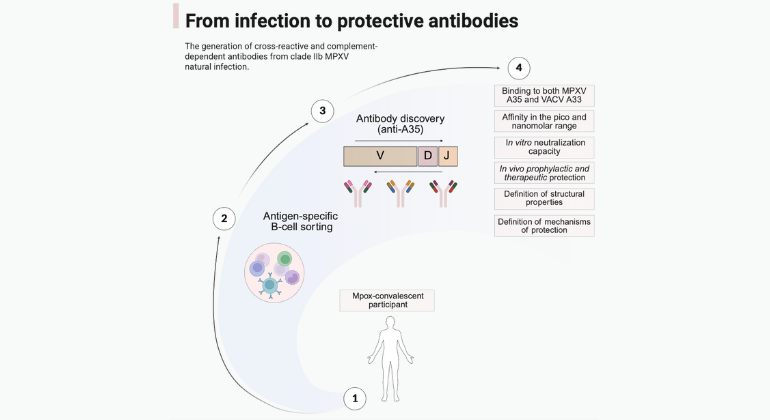
The Mount Sinai research fits into a broader global strategy to build a “library” of antibodies against priority pathogens. This strategy, often discussed in the context of “Disease X,” aims to have therapeutic blueprints ready before a virus becomes a global pandemic. If a new strain of Henipavirus emerges, scientists can use the existing Mount Sinai framework to tweak the antibody’s binding site, accelerating the production of a customized cure.
This approach provides several advantages over traditional drug development:
- Rapid Deployment: Once the sequence is known, mAbs can be manufactured at scale using bioreactors.
- High Precision: They target specific viral proteins without affecting the host’s healthy cells.
- Adaptability: They can be modified to combat emerging mutations in the viral genome.
Comparing current treatment options vs. the Mount Sinai antibody
Currently, treatment for Nipah and Hendra is almost entirely supportive. Patients receive fluids, oxygen, and medications to manage brain swelling and secondary infections. There are no FDA-approved antiviral drugs specifically for these viruses. While some researchers have explored the use of ribavirin, its efficacy remains inconsistent and often insufficient to prevent death in severe cases.
The Mount Sinai antibody represents a shift toward precision medicine. Rather than treating the symptoms of the infection, the antibody attacks the root cause by neutralizing the virus’s ability to enter cells. This contrast is stark: current care focuses on keeping the patient alive while the body fights the virus; the antibody approach focuses on eliminating the virus’s capacity to spread within the body.
For those interested in how this compares to other viral threats, a related explainer on monoclonal antibody therapy for respiratory viruses provides further context on the broader application of this technology.
Potential challenges and the path to clinical application
Despite the success in the laboratory, the transition from a created antibody to a bedside treatment involves several rigorous steps. The Mount Sinai antibody must first undergo extensive pre-clinical testing in animal models to determine the optimal dosage and confirm that it does not cause unforeseen toxicity. Following this, it will enter human clinical trials, which are divided into three phases to test safety, efficacy, and comparative benefit.
One of the primary challenges is the rarity of Nipah and Hendra outbreaks. Because these viruses do not circulate constantly in large human populations, conducting large-scale clinical trials is difficult. Researchers may need to rely on “animal rule” pathways—a regulatory mechanism that allows for the approval of drugs for serious or life-threatening diseases when human efficacy trials are not feasible or ethical.
Manufacturing also presents a hurdle. Producing high-purity human antibodies requires sophisticated cell culture systems and stringent quality control to ensure each batch is identical. However, the infrastructure built during the COVID-19 pandemic has significantly increased the global capacity for mAb production, likely shortening the timeline for this treatment to reach the market.
Common misconceptions about Henipavirus treatments
A frequent misconception is that a treatment for Nipah would also work as a vaccine. It is important to distinguish between the two: the Mount Sinai antibody is a treatment (passive immunity), not a vaccine (active immunity). A vaccine prepares the immune system to fight the virus in the future, while the antibody is used after exposure or infection to stop the virus in its tracks.
Another common belief is that these viruses are only a threat in remote rural areas. While the initial jump from bats to humans happens in rural settings, the high fatality rate and potential for human-to-human transmission (especially in the case of Nipah) mean that an outbreak in a densely populated urban center could lead to a rapid escalation. This is why the development of a human antibody is viewed as a global security priority, not just a regional health concern.
Finally, some believe that current antivirals are sufficient. As noted, the lack of approved, high-efficacy drugs for Henipaviruses makes the Mount Sinai development not just an improvement, but a necessary evolution in medical capability.
Frequently Asked Questions
What is the difference between the Nipah and Hendra viruses?
Both are Henipaviruses carried by fruit bats, but they differ in their primary geographic locations and intermediate hosts. Nipah is common in Southeast Asia and often spreads through contaminated date palm sap or pigs. Hendra is primarily found in Australia and spreads from bats to horses, and then to humans.
Can the Mount Sinai antibody prevent infection?
The antibody is designed to neutralize the virus by blocking its entry into cells. While primarily viewed as a treatment for those already exposed, monoclonal antibodies can sometimes be used as post-exposure prophylaxis to prevent the virus from establishing a systemic infection.
Is this treatment available to the public right now?
No. The development of the human antibody is currently in the research and pre-clinical stages. It must undergo rigorous testing and receive regulatory approval from bodies like the FDA before it can be administered to patients.
Why is the “human” aspect of the antibody so important?
Human antibodies are less likely to be recognized as “foreign” by the patient’s immune system. This prevents the body from attacking the medication itself, reducing side effects and increasing the overall effectiveness of the therapy compared to antibodies derived from animals.
How does this antibody compare to a vaccine?
A vaccine trains your own immune system to recognize and fight a virus over time. An antibody treatment provides immediate, ready-made protection. The Mount Sinai antibody is a therapeutic tool used to treat or prevent disease after exposure, whereas a vaccine is a preventative tool used before exposure.
Future outlook for Henipavirus research
The creation of this human antibody marks a transition toward a more modular approach to infectious disease. By identifying the G protein as a universal target, researchers have created a template that can potentially be adapted for other emerging zoonotic viruses. The next steps will likely involve testing the antibody’s stability in different storage conditions, which is vital for deploying the treatment in the tropical climates where Nipah is most prevalent.
Furthermore, this development encourages international collaboration between Australian and Asian health authorities. Since the viruses are closely related, a treatment developed for one often provides a solution for the other, creating a shared defense mechanism against these high-mortality pathogens. As the world continues to monitor “Disease X” candidates, the Mount Sinai breakthrough serves as a blueprint for how rapid antibody engineering can close the gap between the emergence of a virus and the availability of a cure.
