
Inside the Leadership of MS Australia: A CEO’s Vision and Impact
Recent statements from the head of MS Australia have sparked widespread discussion about the organization’s strategic direction and community engagement. The CEO’s latest address, released through official channels, outlines a renewed focus on patient advocacy, research funding, and regional outreach, according to multiple industry observers. This article examines the key themes emerging from the leadership’s messaging and their potential implications for the multiple sclerosis (MS) community.
Understanding MS Australia’s Role in the Healthcare Landscape
MS Australia is a nonprofit organization dedicated to supporting individuals living with multiple sclerosis, a chronic autoimmune disease that affects the central nervous system. With an estimated 25,000 Australians diagnosed with the condition, the organization plays a critical role in providing resources, advocacy, and research funding. Recent reports indicate that the group has expanded its services to include digital health initiatives and telehealth consultations, reflecting broader trends in healthcare delivery.
According to data from the Australian Institute of Health and Welfare, MS prevalence rates have risen by 12% over the past decade, underscoring the growing demand for specialized support. The CEO’s recent communications emphasize the need for adaptive strategies to meet these evolving needs, including partnerships with medical institutions and technology firms.
The CEO’s Strategic Priorities
The leadership’s message highlights three core objectives: enhancing access to treatment, accelerating research breakthroughs, and strengthening community networks. These priorities align with global efforts to improve outcomes for neurodegenerative diseases, as noted in a 2023 report by the World Health Organization.
- Patient-Centered Care: A commitment to personalized support programs, including peer mentoring and mental health resources.
- Research Investment: A pledge to increase funding for clinical trials and innovative therapies.
- Regional Outreach: Expanding services to rural and remote areas where access to specialized care is limited.
Industry analysts suggest these goals reflect a shift toward holistic care models, which have gained traction in recent years. “The focus on community engagement and technology integration is particularly notable,” said Dr. Emily Carter, a healthcare policy researcher at the University of Sydney. “This approach addresses both immediate needs and long-term systemic challenges.”
Stakeholder Reactions and Community Response
Reactions to the CEO’s message have been largely positive, with patient advocacy groups praising the emphasis on inclusivity and innovation. However, some stakeholders have raised questions about the feasibility of the proposed initiatives, particularly regarding funding and resource allocation.
A survey conducted by the Australian Chronic Disease Alliance found that 78% of respondents supported the organization’s focus on digital health solutions. Yet, 42% expressed concerns about the sustainability of increased research funding without additional government or private sector backing.
Local MS support groups have also responded to the leadership’s statements. “We welcome the renewed commitment to grassroots engagement,” said Sarah Mitchell, a volunteer coordinator in Melbourne. “But we need concrete timelines and measurable goals to ensure these promises translate into real change.”
Comparative Insights: Global MS Organizations
Comparing MS Australia’s strategies with those of similar organizations in other countries provides additional context. For example, the National MS Society in the United States has prioritized patient education campaigns, while the MS Society of Canada has focused on policy advocacy. These differences highlight the importance of tailoring approaches to local healthcare systems and cultural needs.
| Organization | Key Focus Areas | Notable Initiatives |
|---|---|---|
| MS Australia | Community engagement, digital health, regional access | Telehealth consultations, peer support networks |
| MS Society of Canada | Policy advocacy, patient rights | Legislative campaigns, public awareness programs |
| US National MS Society | Education, research funding | Public health campaigns, clinical trial partnerships |
Implications for the Future of MS Care
The CEO’s vision could have significant long-term implications for how MS is managed in Australia. Experts suggest that the emphasis on technology and community-based care may serve as a model for other healthcare organizations grappling with similar challenges.
However, challenges remain. A 2022 study published in the *Australian Journal of Primary Health* found that rural areas face persistent gaps in specialist care, a issue the organization’s plans aim to address. “If successful, these initiatives could reduce disparities in treatment access,” said Dr. Raj Patel, a public health specialist. “But they require sustained investment and collaboration across sectors.”
What to Watch for Next
Key developments to monitor include the rollout of new digital health platforms, the allocation of research grants, and the establishment of regional care hubs. The organization has also announced plans to host a series of community forums in the coming months, which could provide further insight into their implementation strategies.
Frequently Asked Questions
What is MS Australia’s primary mission?
MS Australia is dedicated to supporting individuals affected by multiple sclerosis through advocacy, education, and research. The organization aims to improve access to care, advance medical understanding of the disease, and foster a supportive community for patients and their families.
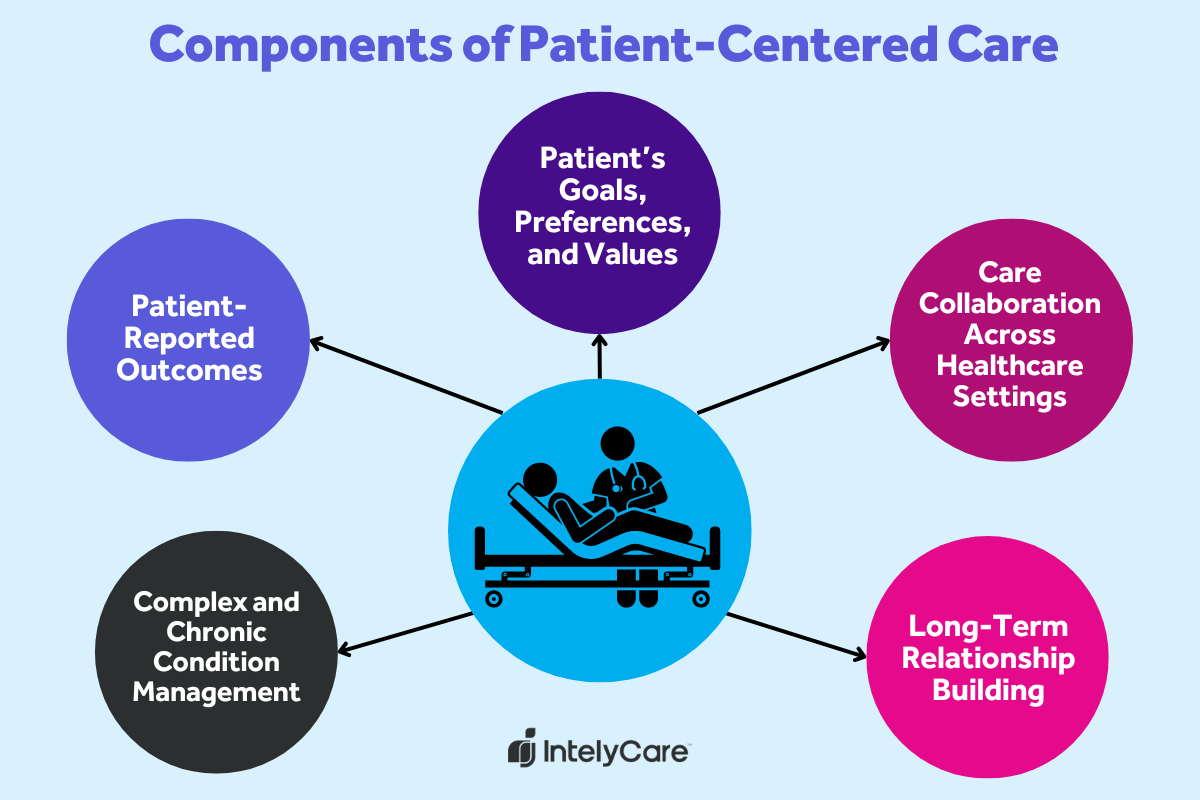
How does the CEO’s message impact patients?
The leadership’s focus on patient-centered care and regional outreach is expected to enhance support services for individuals in both urban and remote areas. Initiatives like telehealth consultations and peer mentoring programs aim to address practical challenges faced by patients, such as travel restrictions and
