
The Most Expensive Dogs to Own in South Africa – Business Tech
The most expensive dogs to own in South Africa are determined by lifetime maintenance and healthcare costs rather than the initial purchase price, according to reports from Business Tech and IOL. Expenses including specialized grooming, chronic health management, and premium diets often outweigh the upfront cost of the puppy over the animal’s lifespan.
Why lifetime costs outweigh the purchase price for South African dog owners
The initial cost of a puppy is a one-time transaction, but the cost of ownership is a recurring financial commitment. Data highlighted by Business Tech suggests that the “sticker price” of a pedigree dog is often the least significant part of the total financial burden. The true expense lies in the breed-specific requirements that follow the purchase.
High-maintenance breeds require consistent investment in professional grooming, specialized nutrition, and frequent veterinary interventions. For example, breeds prone to hereditary health issues—such as respiratory problems in brachycephalic (flat-faced) dogs or joint issues in giant breeds—can incur medical bills that far exceed the original cost of the dog.
According to IOL, the focus on the purchase price is a common misconception among new pet owners. The financial reality shifts from the acquisition phase to the maintenance phase, where monthly outflows for food and health care become the primary economic drivers. This shift means a “cheap” puppy can become the most expensive dog to own if it requires lifelong medication or professional care.
| Cost Category | Initial Impact | Long-term Impact | Frequency |
|---|---|---|---|
| Purchase Price | High | None | Once |
| Veterinary Care | Low (Vaccines) | High (Chronic/Emergency) | Ongoing |
| Grooming | Low | Medium to High | Monthly |
| Nutrition | Low | Medium | Daily |
What makes a dog breed expensive to maintain in South Africa?
Several factors contribute to the escalating cost of owning specific breeds. These costs are generally divided into three main pillars: health, hygiene, and hunger.
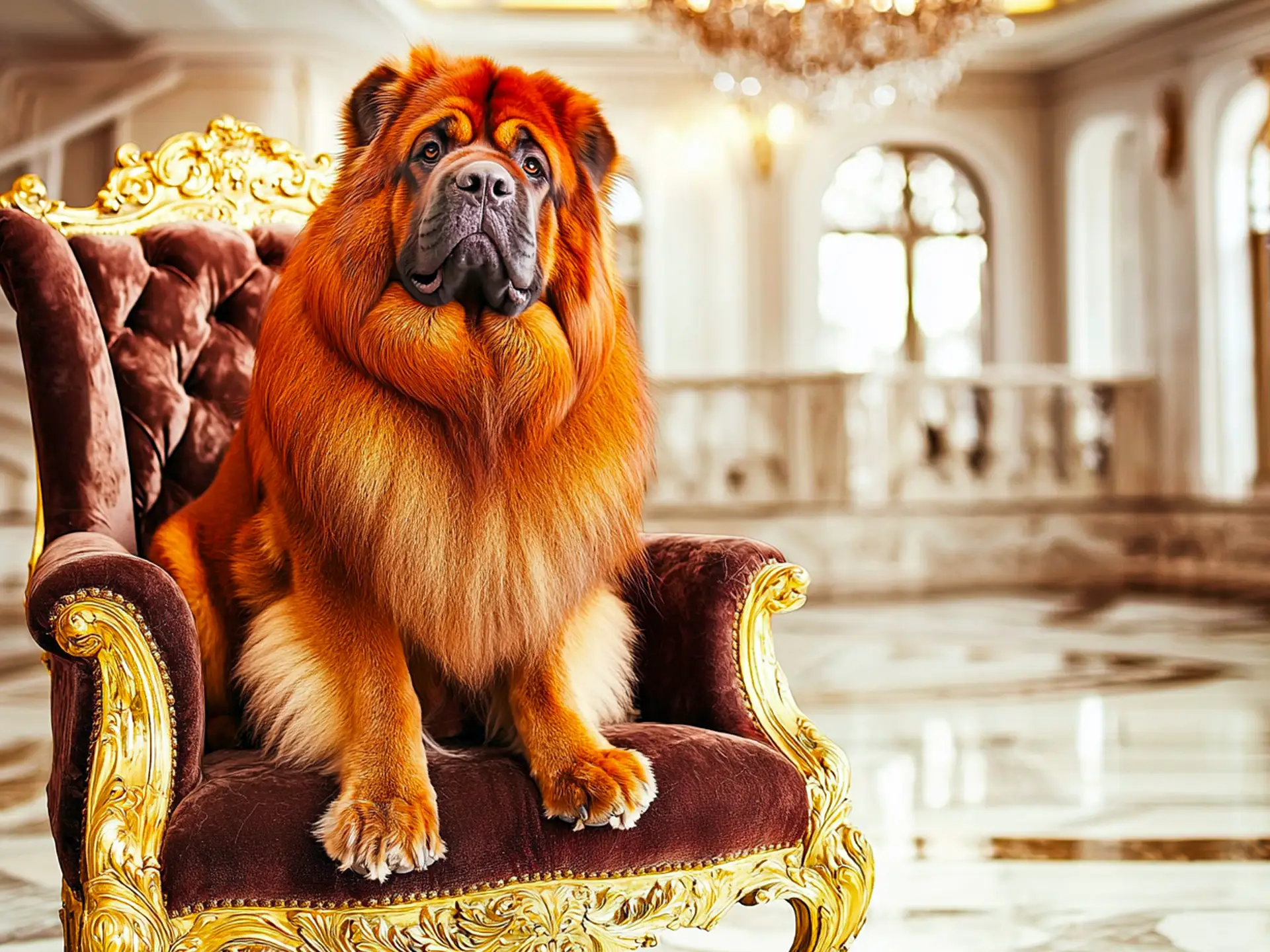
Breed-specific health predispositions
Certain breeds are genetically predisposed to conditions that require expensive, long-term treatment. According to the reporting, dogs with respiratory issues or skin allergies often require more frequent visits to the vet. In the South African context, where specialized veterinary care can be costly, these chronic conditions create a significant financial drain.
Giant breeds, such as Great Danes or Mastiffs, often face joint problems like hip dysplasia. The cost of surgery or long-term pain management for these larger animals is typically higher than for smaller breeds due to the dosage of medication and the complexity of the procedures.
Professional grooming requirements
Hygiene is a major cost driver for breeds with high-maintenance coats. Poodles, Bichons, and various “doodle” crosses require professional grooming every four to eight weeks to prevent matting and skin infections. Business Tech notes that these recurring professional fees can add up to thousands of rands annually, making the dog more expensive to keep than one with a short, low-maintenance coat.
Nutritional and dietary demands
The cost of food varies based on the size and health needs of the dog. Larger dogs simply consume more volume, but certain breeds require premium, hypoallergenic, or prescription diets to manage health issues. The inflation of pet food prices in South Africa has further increased the monthly budget required to maintain these animals.

Comparing high-purchase price vs. high-maintenance breeds
There is a distinct difference between a dog that is expensive to buy and a dog that is expensive to own. Some “designer” breeds command a high initial price due to demand and scarcity, but their daily maintenance may be moderate.
Conversely, some breeds may be affordable to purchase from a breeder but possess “hidden costs.” For instance, a breed with a low purchase price but a high propensity for ear infections or dental issues will eventually cost the owner more in veterinary fees than a high-priced puppy with a robust health record.
“It’s not about the purchase price,” as highlighted by IOL, emphasizing that the long-term financial commitment is the true measure of a dog’s expense.
To better understand this, owners should consider the “Total Cost of Ownership” (TCO) model. This involves calculating the projected costs of food, grooming, and healthcare over a 10-to-15-year period, rather than focusing on the initial transaction.
The economic impact of pet ownership in the South African market
The rising cost of owning expensive breeds is tied to broader economic trends in South Africa. The veterinary industry has seen a shift toward more advanced diagnostic tools and treatments, which, while improving animal longevity, increase the cost of care.
- Pet Insurance: There is a growing trend toward pet insurance to mitigate the risk of sudden, high-cost medical emergencies.
- Imported Supplies: Many premium dog foods and specialized grooming products are imported, making them susceptible to exchange rate fluctuations.
- Specialized Care: The rise of professional dog trainers and behaviorists adds another layer of expense for high-energy or stubborn breeds.
These factors mean that owning a high-maintenance breed in South Africa requires a flexible budget that can accommodate both inflation and unexpected health crises.
For those looking to manage these costs, a related explainer on pet insurance options in South Africa may provide strategies for mitigating financial risk.
Common misconceptions about expensive dog breeds
Many prospective owners believe that a high purchase price guarantees a healthier dog. However, reports indicate that expensive pedigree dogs can still carry genetic defects that lead to high medical bills. The price of the puppy often reflects the breeder’s reputation or the breed’s popularity rather than a guarantee of low maintenance.
Another misconception is that “hypoallergenic” dogs are cheaper because they don’t shed. In reality, the breeds marketed as hypoallergenic—such as Poodles—often require the most expensive grooming schedules of any dog breed, as their hair grows continuously and requires professional clipping.
Finally, some believe that feeding “premium” food eliminates the need for vet visits. While nutrition is a preventative tool, it cannot override genetic predispositions. A dog on a high-end diet may still require expensive medication for breed-specific ailments.
How to calculate the true cost of a dog before buying
To avoid financial strain, prospective owners should perform a cost analysis based on the specific breed’s needs. This involves researching the breed’s common health failures and grooming requirements.
A comprehensive budget should include:
- Annual Veterinary Budget: Including vaccinations, flea/tick prevention, and a contingency fund for emergencies.
- Monthly Grooming Fees: Based on local professional rates for that specific breed’s coat type.
- Monthly Food Costs: Based on the adult weight of the dog and the required quality of nutrition.
- Equipment and Accessories: Including crates, bedding, and toys, which are often more expensive for larger breeds.
By shifting the focus from the purchase price to these recurring costs, owners can make a more sustainable decision that ensures the animal’s well-being without compromising the owner’s financial stability.
Frequently Asked Questions
Which dogs are the most expensive to maintain in South Africa?
According to reports from Business Tech and IOL, the most expensive dogs are those with high grooming needs (like Poodles) or those prone to chronic health issues (like Bulldogs or giant breeds). The expense is driven by recurring vet bills and professional grooming rather than the initial cost.
Does a high purchase price mean the dog will be more expensive to keep?
Not necessarily. A dog’s purchase price is a one-time fee. The actual cost of ownership depends on the breed’s health, size, and grooming requirements. Some expensive puppies are low-maintenance, while some affordable puppies are expensive to keep.
What are the biggest “hidden costs” of owning a pedigree dog?
The biggest hidden costs include professional grooming, prescription diets for allergies, and lifelong medication for genetic health conditions like joint dysplasia or respiratory distress.
How can I reduce the cost of owning a high-maintenance breed?
Owners can reduce costs by investing in pet insurance to cover emergencies, learning basic grooming techniques at home, and maintaining a strict preventative healthcare schedule to avoid expensive emergency interventions.
Are larger breeds always more expensive than smaller breeds?
Generally, larger breeds cost more in terms of food and medication dosages. However, some small breeds have higher grooming costs or more frequent medical issues, which can make them more expensive overall than some low-maintenance large breeds.
For further reading on managing household budgets for pets, see our guide to South African pet care costs.
