
UK Armed Forces Intercept Russian ‘Shadow Fleet’ Tanker to Disrupt Sanctions Evasion
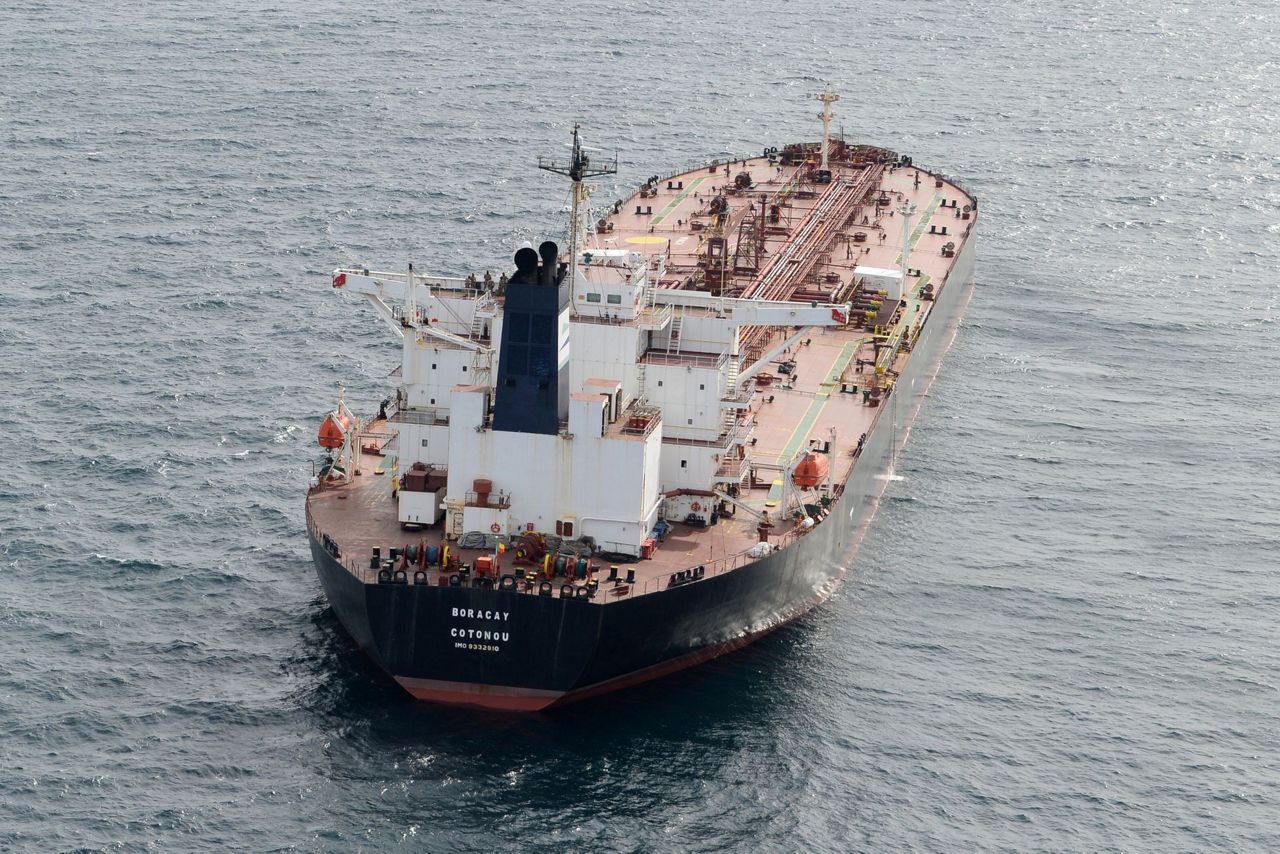
The UK armed forces intercepted a Russian “shadow fleet” oil tanker as part of an operational effort to disrupt the evasion of international sanctions, according to reports from the Australian Broadcasting Corporation. This interception targets the clandestine network of aging vessels Russia employs to export crude oil while bypassing the G7-led price cap designed to limit Kremlin revenues.
How the UK Armed Forces Intercept Russian ‘Shadow Fleet’ Tanker
The interception of the vessel occurred as part of a broader maritime security strategy to monitor and challenge the movement of tankers suspected of carrying sanctioned Russian oil. According to reports regarding how the UK armed forces intercept Russian ‘shadow fleet’ tanker – Australian Broadcasting Corporation, the operation involves the identification of ships that exhibit “dark” behavior—specifically, the disabling of Automatic Identification Systems (AIS) to hide their location and destination.
Maritime patrol aircraft and naval assets are used to track these vessels in real-time. When a tanker is suspected of violating sanctions or operating under fraudulent credentials, UK forces move to intercept, identify, and document the ship’s activities. These intercepts are not necessarily intended to seize the cargo—which is often legally complex in international waters—but to signal that the “shadow” nature of these voyages is being monitored by Western intelligence and military assets.
Key operational tactics used during these intercepts include:
- AIS Monitoring: Tracking “spoofing” where ships broadcast false coordinates to appear as if they are in a different part of the ocean.
- Aerial Surveillance: Using long-range patrol aircraft to visually confirm the identity of ships that have gone dark.
- Naval Interdiction: Deploying warships to shadow tankers, forcing them to maintain communication and reveal their manifests.
What is the Russian ‘Shadow Fleet’?
The “shadow fleet” refers to a growing armada of older, poorly maintained oil tankers that operate outside the traditional global shipping framework. According to maritime analysts and G7 officials, these ships are used by Russia to transport oil to markets in Asia, primarily China and India, without utilizing Western insurance, financing, or shipping services.

Unlike legitimate commercial tankers, shadow fleet vessels are often owned by opaque shell companies registered in jurisdictions with little regulatory oversight. This structure allows the Russian government to obscure the true ownership of the ships and the origin of the cargo. Many of these vessels are “end-of-life” tankers—ships that would normally be scrapped due to age and safety concerns but have been purchased by Russian-linked entities to maintain oil exports.
The shadow fleet operates as a parallel maritime economy, deliberately avoiding the transparency requirements of the International Maritime Organization (IMO) to circumvent economic pressure from the West.
Comparison: Standard Shipping vs. Shadow Fleet Shipping
| Feature | Standard Commercial Shipping | Russian Shadow Fleet |
|---|---|---|
| Ownership | Publicly listed or known corporate entities | Opaque shell companies / Single-ship owners |
| Insurance | P&I Clubs (International Group) | Uninsured or non-Western “grey” insurance |
| Tracking | Continuous AIS broadcasting | Frequent AIS disabling (“dark” voyages) |
| Vessel Age | Strict age limits for safety/insurance | Predominantly aging, near-scrapped hulls |
| Compliance | Adheres to G7 price caps and IMO rules | Designed specifically to bypass price caps |
The G7 Price Cap and the Logic of Sanctions Evasion
The interception of these tankers is a direct response to the G7 price cap, a policy implemented to reduce Russian oil profits without causing a global energy price spike. The cap prohibits Western companies—including insurers and shippers—from providing services for Russian crude oil unless it is sold below a specific price ceiling (currently $60 per barrel for most crude grades).
Because the vast majority of the world’s shipping insurance is provided by a small group of Western firms (the International Group of P&I Clubs), Russia was initially unable to move its oil. To solve this, the Kremlin assembled the shadow fleet. By securing non-Western insurance or operating without insurance entirely, Russia can sell its oil at market rates, often well above the $60 limit, effectively nullifying the G7’s economic leverage.
According to reports from the Australian Broadcasting Corporation, the UK’s decision to actively intercept these vessels is an attempt to increase the “cost of doing business” for the shadow fleet. By increasing the risk of detection and diplomatic friction, the UK aims to discourage the use of these vessels and pressure buyers to adhere to the price cap.
The strategy focuses on several pressure points:
- Increasing Operational Risk: Frequent intercepts make “dark” voyages more stressful and visible.
- Data Collection: Identifying the shell companies and intermediaries involved in the shadow fleet.
- Diplomatic Pressure: Using evidence of sanctions evasion to pressure third-party nations to enforce the cap.
Environmental Risks of Uninsured Tankers
Beyond the economic impact of sanctions evasion, the shadow fleet poses a significant environmental threat to global coastlines. Standard tankers are required to have comprehensive Protection and Indemnity (P&I) insurance, which ensures that if a spill occurs, there are funds available for cleanup and compensation.

Shadow fleet tankers often operate without this coverage. According to maritime safety experts, the combination of aging hulls, lack of proper maintenance, and the absence of reputable insurance creates a “ticking time bomb” for maritime disasters. If a shadow tanker were to collide or suffer a structural failure, the cost of the cleanup would likely fall on the coastal state where the spill occurred, as there would be no insurance payout from the ship’s owners.
The Danger of Ship-to-Ship (STS) Transfers
To further hide the origin of the oil, shadow fleet tankers frequently engage in ship-to-ship (STS) transfers. This involves pumping oil from one tanker to another in the middle of the ocean, far from the oversight of port authorities. These transfers are inherently risky, as they often take place in open waters without professional tugboat support or standardized safety protocols.
These transfers serve two primary purposes:
- Blending: Mixing Russian oil with oil from other sources to disguise its origin.
- Obfuscation: Breaking the “paper trail” of the cargo’s journey from a Russian port to its final destination.
The UK’s intercept operations often target these STS zones, as they are the points where the shadow fleet is most vulnerable to detection and where the environmental risk is highest.
International Implications and Strategic Goals
The UK’s proactive stance in intercepting shadow fleet tankers reflects a shift in how Western powers are enforcing economic warfare. While the initial phase of sanctions relied on legal frameworks and corporate compliance, the current phase involves active maritime monitoring and physical presence.
This approach is designed to close the “loopholes” that Russia has exploited. By treating the shadow fleet as a security concern rather than just a regulatory one, the UK is signaling that the maritime commons will not be used as a safe haven for sanctions evasion.
However, this strategy carries diplomatic risks. Many of the tankers are registered in countries that do not recognize the G7 price cap. Intercepting a vessel in international waters can lead to disputes over maritime law and sovereignty. The UK must balance the need to disrupt the shadow fleet with the need to avoid direct military escalation with Russia or its trading partners.
For more information on how these policies affect global trade, you may find a related explainer on G7 sanctions frameworks useful.
Common Misconceptions About the Shadow Fleet
There are several common misunderstandings regarding how the shadow fleet operates and why it is intercepted. Clarifying these points is essential for understanding the broader geopolitical struggle.
Misconception 1: The shadow fleet consists of “pirate” ships.
While they operate outside standard norms, these are not pirate ships. They are legitimate (though often old) commercial tankers owned by legal entities. They operate under the laws of “flags of convenience” (countries like Gabon or Panama), which allow them to sail legally in international waters despite their lack of transparency.
Misconception 2: Intercepting the ships stops the oil from flowing.
Interceptions rarely stop a shipment entirely. The goal is not to block the oil—which could crash global energy markets—but to disrupt the method of transport and the profitability of the evasion. The goal is to make the process so risky and expensive that the shadow fleet becomes unsustainable.
Misconception 3: The ships are only a problem for the UK.
The environmental risk is global. A spill from an uninsured shadow tanker in the South China Sea or the Indian Ocean would be just as catastrophic as one in the North Sea. The UK’s actions are framed as a contribution to global maritime safety, not just a national security interest.
Frequently Asked Questions
What exactly is a “shadow fleet” tanker?
A shadow fleet tanker is a vessel used to transport sanctioned goods, specifically Russian oil, while avoiding Western insurance, shipping, and financial services. These ships are typically old, owned by shell companies, and frequently disable their tracking systems to hide their movements.
Why are the UK armed forces intercepting these ships?
The UK armed forces intercept these tankers to disrupt the evasion of the G7 price cap on Russian oil. By monitoring and challenging these vessels, the UK aims to increase the risk and cost for Russia and its partners who attempt to bypass international sanctions.
Is it legal for the UK to intercept ships in international waters?
Interceptions in international waters are generally limited to monitoring, identification, and communication. While the UK cannot unilaterally seize a foreign-flagged ship in international waters without specific legal grounds, they can “shadow” the vessel, record its activities, and use that data to apply diplomatic or economic pressure on the ship’s owners or the destination country.
What happens if a shadow fleet tanker has an oil spill?
Because these ships often lack reputable P&I insurance, there is a high risk that no one will pay for the cleanup. In such a scenario, the financial and environmental burden would likely fall on the government of the country whose coast was affected.
How does the G7 price cap work?
The G7 price cap prohibits Western companies from providing insurance, financing, or shipping services for Russian crude oil unless it is sold at or below a specific price (e.g., $60 per barrel). This is intended to keep oil flowing to avoid a global shortage while limiting the revenue Russia earns from those sales.
The ongoing efforts to monitor the shadow fleet suggest that the battle over Russian oil exports has moved from the boardroom to the high seas. As Russia continues to expand its fleet of “dark” tankers, the UK and its allies are increasingly relying on military and intelligence assets to ensure that the cost of evasion remains high.
