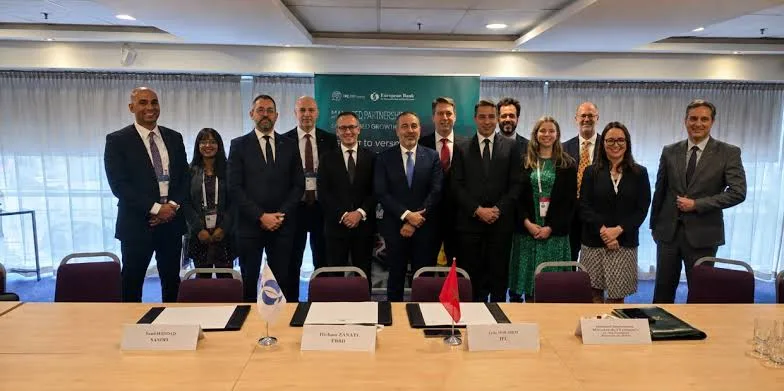
ONEE, EBRD Sign €250 Million Financing Deal to Modernize Morocco’s Water Infrastructure – Morocco World News
Morocco’s Office National de l’Electricité et de l’Eau Potable (ONEE) has secured a €250 million financing agreement with the European Bank for Reconstruction and Development (EBRD) to modernize the nation’s water infrastructure. According to reports from Morocco World News and Yabiladi.com, the funds are earmarked to improve water distribution efficiency and upgrade aging systems to combat chronic water stress across the kingdom.
How will the €250 million EBRD loan be used?
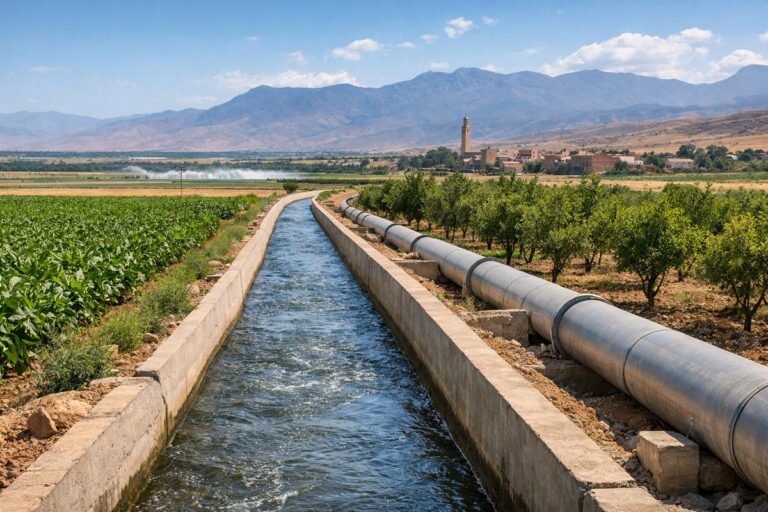
The financing provided by the EBRD targets the systemic modernization of Morocco’s water network. According to Yabiladi.com, the agreement focuses on enhancing the infrastructure managed by ONEE to reduce water loss and increase the reliability of supply to urban and rural populations. The investment arrives as Morocco faces intensifying drought conditions that threaten both agricultural productivity and domestic water security.
Infrastructure modernization typically involves several technical priorities. While the specific project list remains under ONEE’s operational control, EBRD-funded water projects generally prioritize the following:
- Leakage Reduction: Replacing antiquated piping to lower “non-revenue water” (water lost before it reaches the customer).
- Network Digitalization: Implementing smart monitoring systems to detect bursts and manage flow in real-time.
- Energy Efficiency: Upgrading pumping stations to reduce the carbon footprint and operational costs of water transport.
This funding is part of a broader financial strategy to stabilize the water sector, as the EBRD seeks to promote sustainable resource management in the Mediterranean region.
Why is Morocco shifting from scarcity management to water risk governance?
The EBRD deal is not an isolated project but part of a fundamental shift in how Morocco handles its water crisis. According to analysis from The Water Diplomat, the country is moving away from “scarcity management”—which focuses on reacting to shortages—toward “water risk governance and resilience.”

Scarcity management often relies on short-term fixes, such as emergency trucking of water or temporary restrictions. In contrast, water risk governance involves a systemic approach to anticipating climate shocks and building infrastructure that can withstand prolonged droughts. The Water Diplomat notes that this shift is necessary because Morocco is “losing water twice”—once through climatic evaporation and again through inefficient distribution and governance.
The transition to risk governance includes several strategic pillars:
- Diversification of Sources: Moving beyond rainfall-dependent dams to include desalination and wastewater reuse.
- Integrated Planning: Coordinating water use between the agricultural sector, which consumes the bulk of the nation’s water, and municipal needs.
- Regulatory Reform: Updating laws to better manage groundwater extraction and prevent the depletion of aquifers.
What role does the new Figuig dam play in this strategy?
Parallel to the EBRD financing, Morocco is expanding its physical storage capacity. Smart Water Magazine reports that the Moroccan government has launched an international tender for the construction of a new dam in the Figuig region. This project is specifically designed to tackle acute water stress in the eastern part of the country.
The Figuig dam serves as a concrete application of the resilience strategy mentioned by The Water Diplomat. By creating new reservoirs in high-stress areas, Morocco aims to reduce its reliance on centralized water transfers from the north to the south and east. The international tender process indicates a desire to bring in global engineering expertise to ensure the dam is built to modern standards of efficiency and environmental safety.
| Initiative | Source of Funding/Lead | Primary Objective | Scope |
|---|---|---|---|
| Infrastructure Loan | EBRD / ONEE | Modernization & Efficiency | National Network |
| Figuig Dam | Government Tender | Storage & Local Security | Eastern Region |
| Water Policy Project | Diplomatic Partnership | Governance & Frameworks | Policy Level |
How is international diplomacy influencing Morocco’s water policy?
Water security has become a central pillar of Morocco’s foreign policy and international cooperation. According to reports from ANSA, Ambassador Salzano participated in the launch of a dedicated water policy project in Morocco. This suggests that the technical financing from the EBRD is being supported by diplomatic and policy-level collaborations with European partners.
These diplomatic efforts often focus on the exchange of “best practices” in water legislation and the implementation of circular water economies. By aligning its policies with international standards, Morocco can more easily attract further foreign direct investment (FDI) for massive projects like seawater desalination plants and large-scale irrigation upgrades.
“The shift toward water risk governance represents a move from treating symptoms to treating the cause of water insecurity,” as implied by the strategic shift detailed by The Water Diplomat.
What are the long-term implications for Morocco’s economy?
The intersection of the €250 million EBRD loan, the Figuig dam, and the shift in governance suggests a high-stakes attempt to decouple Morocco’s economic growth from its rainfall dependency. The agricultural sector, a major driver of the Moroccan GDP, is particularly vulnerable to the “water stress” cited by Smart Water Magazine.
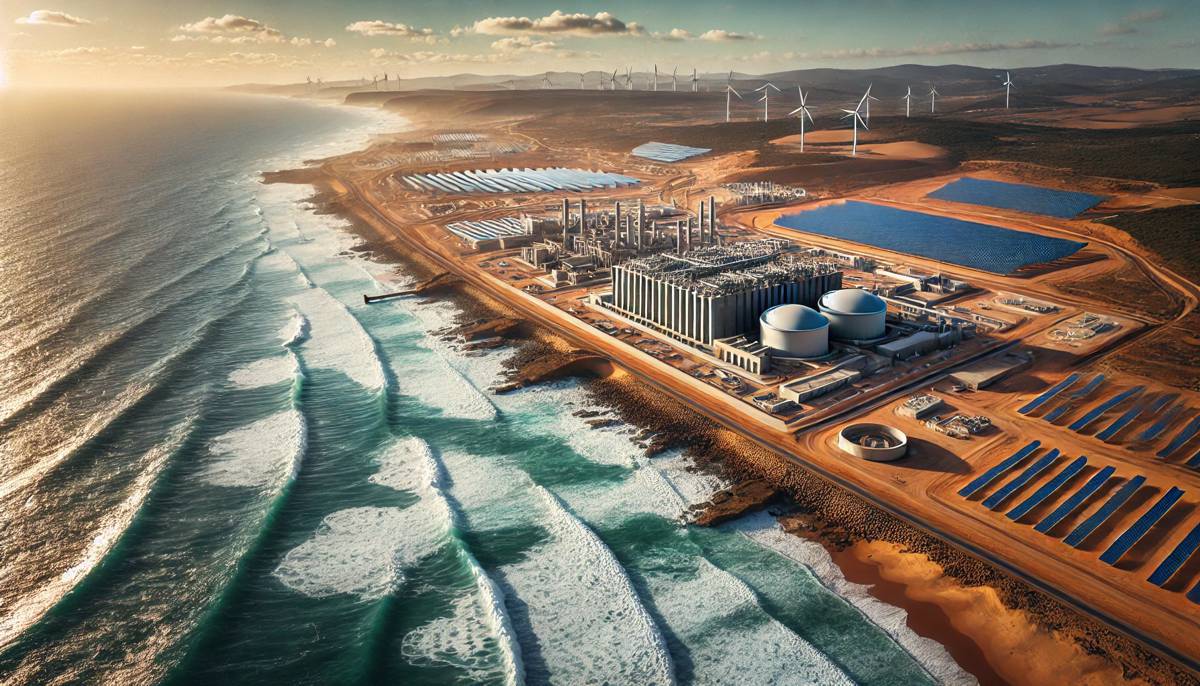
If the modernization of ONEE’s infrastructure successfully reduces water waste, the government can redirect those savings toward more expensive but reliable sources, such as desalination. However, the success of these measures depends on the speed of implementation. The “losing water twice” phenomenon described by The Water Diplomat warns that infrastructure alone is insufficient if the governance frameworks—how water is priced, allocated, and policed—do not evolve simultaneously.
Potential outcomes of this integrated approach include:
- Agricultural Stability: Reduced crop failure risks in the eastern regions due to the Figuig dam.
- Urban Reliability: Fewer water outages in cities as ONEE’s network becomes more resilient.
- Financial Sustainability: Lower operational costs for ONEE through energy-efficient upgrades.
For more on the regional impact of these projects, readers may find a related explainer on North African climate adaptation useful.
Common Misconceptions About Morocco’s Water Crisis
There is a frequent assumption that building more dams is the sole solution to water scarcity. However, the current strategy suggests a more nuanced reality. While the Figuig dam is a critical project, the €250 million EBRD deal focuses on modernization rather than just expansion. This distinguishes between “having more water” and “wasting less water.”
Another misconception is that water stress is purely a natural disaster. The shift toward “risk governance” reported by The Water Diplomat acknowledges that management failures—such as leaky pipes and unregulated borehole drilling—contribute significantly to the crisis. The current policy shift admits that governance is as important as geology.
Frequently Asked Questions
Who is providing the €250 million for Morocco’s water infrastructure?
The European Bank for Reconstruction and Development (EBRD) is providing the financing to the Office National de l’Electricité et de l’Eau Potable (ONEE), according to Morocco World News and Yabiladi.com.
What is the difference between scarcity management and water risk governance?
As reported by The Water Diplomat, scarcity management is a reactive approach to shortages, whereas water risk governance is a proactive strategy focused on long-term resilience, systemic risk assessment, and sustainable infrastructure.
Where is the new dam being built to tackle water stress?
According to Smart Water Magazine, Morocco has launched an international tender for a new dam located in the Figuig region to address water stress in the east.
Why is the EBRD investing in Morocco’s water sector?
The EBRD aims to support the modernization of essential infrastructure to improve efficiency, reduce water loss, and promote sustainable resource management in a region highly vulnerable to climate change.
Is the €250 million loan the only way Morocco is fighting drought?
No. The loan is part of a multi-pronged approach that includes new dam construction (such as in Figuig), diplomatic policy projects (as noted by ANSA), and a strategic shift toward risk-based governance.
