
Latvia Allocates EU Funding for Border Security Upgrades with Leonardo AW139 Helicopters
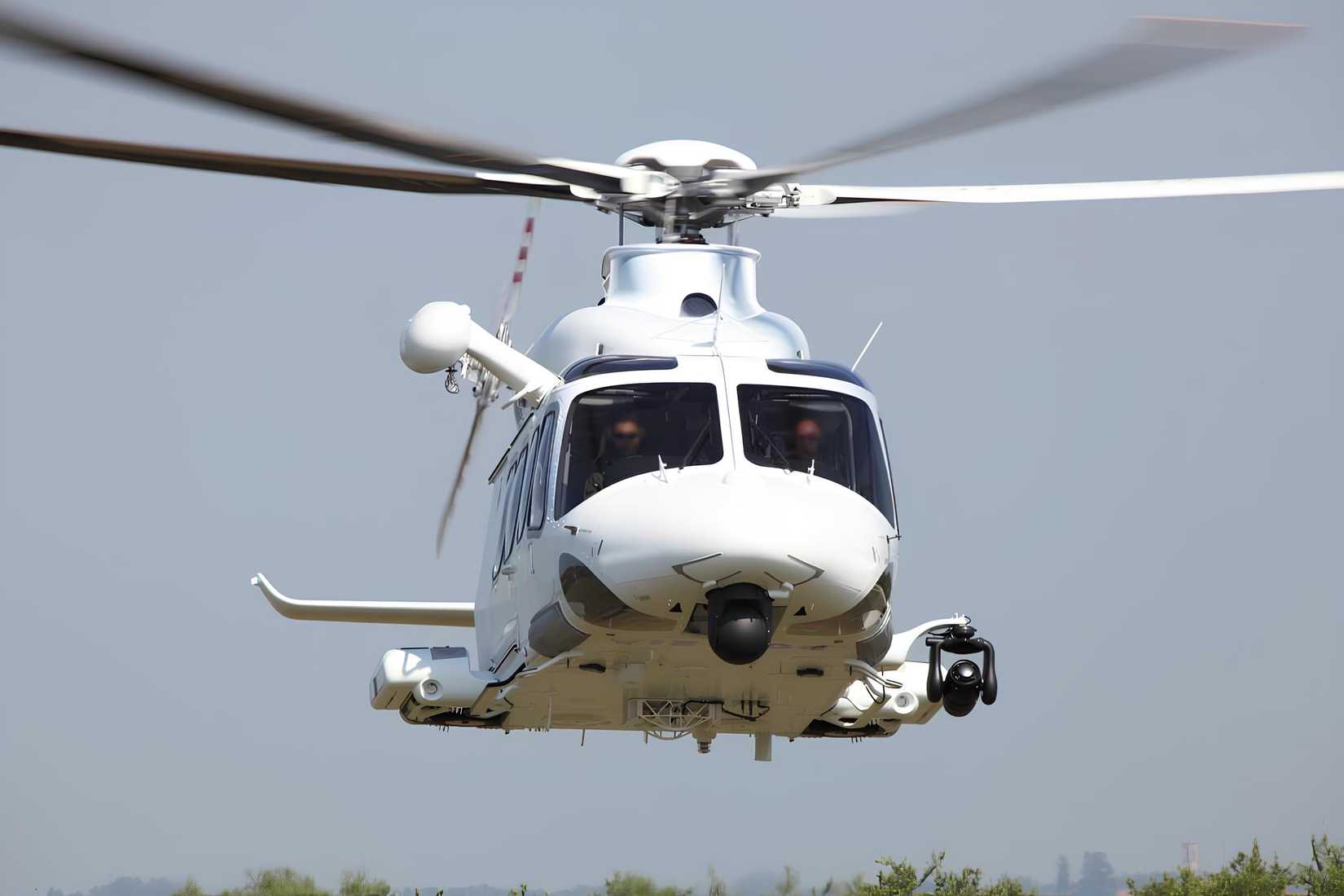
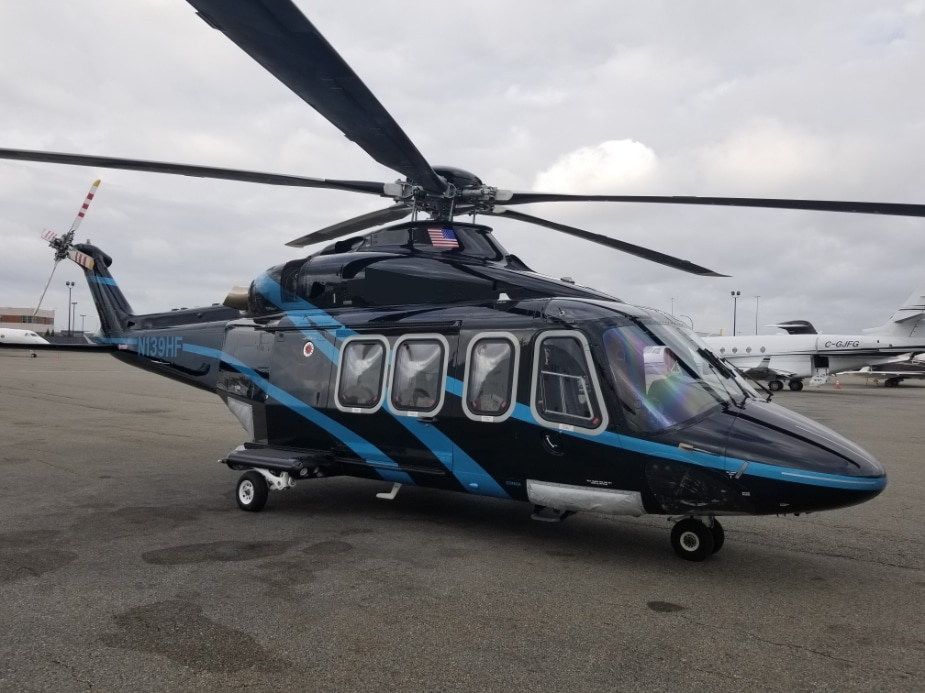
Latvia has announced the deployment of Leonardo AW139 helicopters to bolster its border security, funded through the European Union’s Stability and Growth Pact (SAFE). The initiative, confirmed by the Latvian Ministry of Defense, marks a significant step in modernizing the nation’s aerial surveillance capabilities. The acquisition, valued at an estimated €120 million, aims to enhance the country’s ability to monitor its borders, particularly along the eastern frontiers shared with Russia and Belarus. Officials emphasized the move aligns with broader EU efforts to strengthen security in Eastern Europe amid heightened geopolitical tensions.
The Acquisition Details: What Happened and Why
The Leonardo AW139 helicopters, known for their versatility and advanced technology, will be operated by the Latvian Border Guard Service (BGS). According to a statement from the Ministry of Defense, the aircraft will be used for patrol missions, search-and-rescue operations, and rapid response to cross-border threats. The decision follows a multi-year procurement process that included evaluations of multiple helicopter models, with the AW139 selected for its reliability, fuel efficiency, and adaptability to Latvia’s operational needs.

The funding for the acquisition comes from the EU’s Stability and Growth Pact, a financial mechanism designed to support member states in addressing security, economic, and infrastructure challenges. While the exact allocation of funds was not disclosed, EU officials noted that the project adheres to the pact’s guidelines for investments in critical national infrastructure. The helicopters are expected to be operational by mid-2025, with training programs for pilots and maintenance crews already underway.
The move has been framed as a response to evolving security dynamics in the region. Latvia, a Baltic nation with a history of border disputes and strategic vulnerabilities, has faced increasing pressure to modernize its defense capabilities. The acquisition follows similar investments by neighboring states, including Lithuania and Estonia, which have also upgraded their aerial security assets in recent years.
Key Stakeholders and Partners
The procurement involves multiple stakeholders, including the Latvian government, the European Union, and Leonardo, the Italian aerospace company behind the AW139. The Latvian Ministry of Defense acted as the primary decision-maker, while the EU provided financial oversight through its Stability and Growth Pact. Leonardo, a major player in the global defense industry, has a long-standing relationship with European militaries and has previously supplied aircraft to countries such as Poland and Sweden.
Local defense analysts highlight the importance of international collaboration in such projects. “This acquisition is not just a national effort but a reflection of collective security strategies within the EU,” said Dr. Ivars Krūmiņš, a political scientist at the University of Latvia. “By pooling resources and expertise, member states can address shared challenges more effectively.”
The project also involves technical partnerships with other European firms. For instance, the helicopters will be equipped with radar systems developed by Thales, a French multinational specializing in defense and aerospace technology. This collaboration underscores the interconnected nature of modern defense procurement, where multinational cooperation is often essential to meet complex operational requirements.
Context and Strategic Implications
The decision to acquire the AW139 helicopters must be understood within the broader context of Latvia’s security landscape. As a member of both the EU and NATO, Latvia has long prioritized maintaining strong defense ties with Western allies. The country’s strategic location, bordering Russia and Belarus, has made it a focal point for discussions about Eastern European security. Recent geopolitical developments, including Russia’s actions in Ukraine and the ongoing migration crises along the EU’s eastern borders, have intensified the need for robust border control measures.
The use of EU funding for this project also raises questions about the role of supranational entities in national defense. Critics argue that relying on external financial mechanisms could limit a country’s autonomy in decision-making. However, proponents counter that such funding allows smaller states to access advanced technology and resources they might otherwise lack. “The EU’s support is a vital enabler for countries like Latvia, which face disproportionate security challenges relative to their size,” said Marta Āboliņa, a defense policy analyst at the Riga Graduate School of Law.
From a military standpoint, the AW139’s capabilities are well-suited to Latvia’s needs. The helicopter’s ability to operate in diverse weather conditions, coupled with its long-range radar systems, makes it an effective tool for monitoring Latvia’s extensive borders. Additionally, the aircraft’s modular design allows for quick reconfiguration to address different missions, from surveillance to humanitarian aid. This flexibility is particularly valuable in a region where threats can shift rapidly.
Reactions and Expert Insights
The announcement has elicited mixed reactions from both domestic and international observers. Within Latvia, the move has been broadly supported by political leaders and security experts. Prime Minister Krišjānis Kariņš praised the acquisition as a “necessary investment in our national security,” while the chairman of the Latvian Parliament’s Defense Committee, Jānis Vitenbergs, called it a “strategic milestone.”
However, some civil society groups have raised concerns about the potential militarization of border areas. “While security is a priority, we must ensure that such measures do not undermine the rights of migrants or exacerbate tensions with neighboring countries,” said Inese Lībietis, a representative from the Latvian Human Rights Council. The group has called for transparency in how the helicopters will be used
