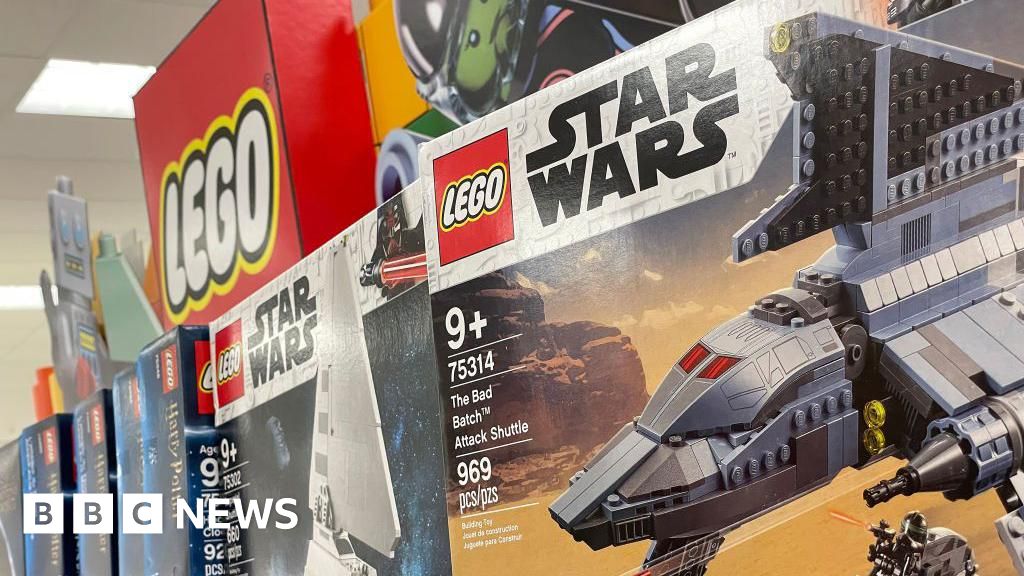
An Ultra-Rare Star Wars Lego Collection Went Missing – It’s Sparked Viral Conspiracies
A high-value collection of rare Star Wars Lego sets has vanished, triggering a wave of online speculation and viral conspiracy theories across social media platforms. According to reports from the BBC, the disappearance of these specific assets has moved beyond a simple theft or loss, evolving into a digital mystery that has engaged thousands of “internet detectives” attempting to track the items through secondary markets and collector forums.
What happened to the rare Star Wars Lego collection?
The incident involves the disappearance of a curated assembly of Star Wars Lego sets, many of which are no longer in production and exist in limited quantities worldwide. While the exact circumstances of the disappearance remain under investigation, the void left by the collection’s absence has been filled by rapid-fire speculation on platforms like X, TikTok, and Reddit.
Initial reports indicate that the collection contained “grail” pieces—industry shorthand for the most coveted and difficult-to-acquire items in a hobby. Because these sets often maintain or increase in value when kept in original, sealed packaging, the financial loss is estimated to be significant. The disappearance became a news flash when the owner or representatives alerted the community, but the story shifted from a missing property report to a cultural phenomenon as the “viral conspiracy” element took hold.
The core of the viral reaction stems from the lack of immediate answers. In the absence of an official police report or a confirmed recovery, users have begun constructing narratives about the collection’s whereabouts, suggesting everything from organized crime rings specializing in toy theft to elaborate marketing stunts.
Why is a Star Wars Lego collection considered “ultra-rare”?
To the casual observer, Lego is a children’s toy. To a specific segment of investors and enthusiasts, it is a legitimate alternative asset class. The rarity of the missing Star Wars collection is driven by several specific factors that govern the secondary market.
- Retired Set Status: Lego periodically “retires” sets, meaning they are no longer manufactured. Once a set is retired, the only way to acquire it is through private collectors or resellers, which drives the price up.
- UCS (Ultimate Collector Series) Scale: The missing collection reportedly included UCS sets. These are massive, highly detailed models designed for adults, often featuring piece counts in the thousands and higher original retail prices.
- Mint Condition Packaging: In the world of high-end collecting, a “sealed” box is worth exponentially more than an opened one. A single crease in the cardboard or a torn seal can drop the value by thousands of dollars.
- Limited Edition Promos: Some of the most rare items are not retail sets but promotional pieces given to employees or limited-run event exclusives.
According to market analysis from collectible trackers, certain retired Star Wars sets have seen appreciation rates that rival or exceed traditional stock market indices. This financial incentive transforms a hobby into a high-stakes investment, making such collections prime targets for theft.
What are the viral conspiracies surrounding the disappearance?
The transition of this story from a local loss to a global viral trend is a case study in modern digital folklore. As the BBC noted, the disappearance sparked conspiracies that have diverged into several distinct theories.

The “Inside Job” Theory
A prominent theory circulating on Reddit suggests that the collection was not stolen by an external party but moved by someone with intimate knowledge of the owner’s security. Proponents of this theory point to the “clean” nature of the disappearance, arguing that the lack of forced entry or chaotic evidence suggests a premeditated act by an associate.
The “Market Manipulation” Theory
Some users on X (formerly Twitter) have posited that the disappearance is a calculated move to drive up the value of remaining similar sets. By removing a known high-quality collection from the available market, the scarcity of other “grail” sets increases, theoretically benefiting other large-scale collectors who hold the same items.
The “Hidden Treasure” Narrative
On TikTok, a more romanticized version of the story has emerged. Some creators suggest the collection was hidden as part of an elaborate “treasure hunt” or an ARG (Alternate Reality Game), encouraging followers to search for clues in old posts or obscure forum threads. This narrative treats the missing Lego not as a crime, but as a puzzle to be solved.
“The internet doesn’t just want the items found; it wants a story. When a factual vacuum exists, the community fills it with a narrative that is more entertaining than a standard police report.”
How does the Lego investment market actually work?
The theft of an ultra-rare collection highlights the emergence of “Brick Investing.” This practice involves buying sets with the intention of selling them years later after they have been retired. The Star Wars license is the gold standard for this strategy due to the franchise’s multi-generational appeal.

The value of these sets is determined by a combination of demand, condition, and historical significance. For example, the first edition of a flagship set often carries a premium over later reprints. The following table illustrates the general value tiers within the high-end Star Wars Lego market:
| Tier | Set Type | Value Driver | Market Liquidity |
|---|---|---|---|
| Tier 1: Grail | Limited Promo/Early UCS | Extreme Scarcity / Mint Seal | Low (Requires specific buyer) |
| Tier 2: High-End | Retired UCS Sets | High Demand / Scale | Medium (Active collector base) |
| Tier 3: Mid-Range | Retired Play-Scale Sets | Nostalgia / Completionism | High (Fast turnover) |
Because these items are physically bulky and often have distinct serial numbers or unique conditions, they are surprisingly difficult to “fence” or sell quickly without alerting the community. Most high-end collectors monitor sites like BrickLink and eBay with extreme precision, meaning any sudden appearance of a rare set often triggers an immediate alarm.
The psychology of the “Internet Detective”
The viral nature of the missing Lego collection reveals a broader trend in how the public consumes news. The “digital sleuthing” seen in this case mirrors the behavior observed in high-profile true crime cases or missing persons mysteries. This phenomenon is driven by several psychological triggers.
First, there is the Gamification of Information. Users feel a sense of achievement when they find a “clue”—such as a blurry photo of a Lego set in the background of a stranger’s social media post—and share it with others. Second, the Community Bond. The Lego community is tight-knit; the shared goal of recovering the “lost art” of the collection creates a temporary social cohesion among strangers.
However, this behavior carries risks. Misidentification is common, and innocent collectors often find themselves accused of theft or “hoarding” stolen goods based on circumstantial evidence. The speed at which a conspiracy can travel often outpaces the speed of a formal investigation, creating a volatile environment for anyone involved.
Comparing this incident to other collectible heists
While a missing Lego collection may seem niche, it follows a pattern seen in other high-value collectible thefts. Whether it is rare stamps, vintage comic books, or luxury watches, the aftermath usually follows three stages: the shock of the loss, the rise of community-led speculation, and the eventual struggle to liquidate the assets.
In contrast to the theft of a painting—which is almost impossible to sell on the open market due to global registries—Lego sets exist in a gray area. While they are not “registered” like a fine art piece, the community’s collective memory acts as a decentralized registry. If a specific, uniquely damaged or uniquely pristine set disappears and then reappears, the community is often the first to notice, not the authorities.
This creates a paradox: the items are valuable enough to steal, but too famous to sell. This tension is exactly what fuels the “conspiracy” aspect of the BBC report; the public knows the items are too hot to handle, leading them to imagine secret warehouses or private “black market” deals between billionaires.
The impact on the collecting community
The disappearance of such a significant collection has a ripple effect on the hobby. When a major collection is removed from the ecosystem, it can lead to a short-term spike in prices for remaining sets as other collectors rush to fill the gap in the market. It also prompts a shift in how collectors store their assets.
Many high-end collectors are now moving toward more professional security measures, including:
- Climate-controlled vaults: To protect the cardboard from humidity and age.
- Digital Cataloging: Maintaining detailed spreadsheets of set numbers and condition reports to aid in insurance claims.
- Security Cameras: Treating their “toy rooms” as high-security galleries.
The incident serves as a warning that as toys transition into assets, they attract the same risks as any other high-value investment. The “viral” nature of the story has effectively publicized the value of these items, potentially putting other collectors in the crosshairs of opportunistic thieves.
Common misconceptions about rare Lego
In the wake of the viral conspiracies, several myths about the value of Lego have surfaced. It is important to distinguish between internet hype and market reality.
Myth: Any old Lego set is valuable.
Reality: Most old sets have little to no value if they are incomplete or heavily played with. Value is driven by “New in Box” (NIB) status and specific retirement dates.
Myth: The “missing” collection is worth millions.
Reality: While some collections reach staggering numbers, most “ultra-rare” collections are valued in the tens or hundreds of thousands. “Millions” is a figure often used in viral headlines to generate clicks rather than reflect audited appraisals.
Myth: Lego is a safer investment than gold.
Reality: Lego is a speculative asset. Its value depends entirely on the continued popularity of the Star Wars brand and the desire of collectors. Unlike gold, it can be destroyed by a simple water leak or a fire.
Frequently Asked Questions
Why did the missing Lego collection spark conspiracies?
The combination of high financial value, the “cult” status of Star Wars collectors, and a lack of immediate official answers created a vacuum. Social media users filled this vacuum with theories ranging from inside jobs to market manipulation to make the story more engaging.
How can someone tell if a Star Wars Lego set is ultra-rare?
Rarity is usually determined by whether the set is “retired” (no longer sold by Lego), its original production run size, and its condition. Ultimate Collector Series (UCS) sets and limited promotional items are typically the most valuable.

Where are the best places to track missing collectibles?
Most collectors monitor specialized marketplaces like BrickLink, eBay, and dedicated Star Wars collector forums. These communities often act as an unofficial watch-list for stolen high-value items.
Is Lego actually a good investment?
Historically, some retired sets have outperformed traditional investments, but it is considered a high-risk, speculative market. Value is heavily dependent on the condition of the packaging and the ongoing popularity of the franchise.
What should a collector do if their items are stolen?
Immediate steps include filing a police report, notifying insurance providers, and alerting the collector community with photos and serial numbers to make the items “too hot” to sell on the open market.
As the search for the missing Star Wars Lego collection continues, the intersection of high-finance collecting and viral internet culture remains a focal point. Whether the items are recovered or remain lost to a private buyer, the event has highlighted the strange, high-stakes world of modern adult collecting, where a plastic brick can become a catalyst for global intrigue.
