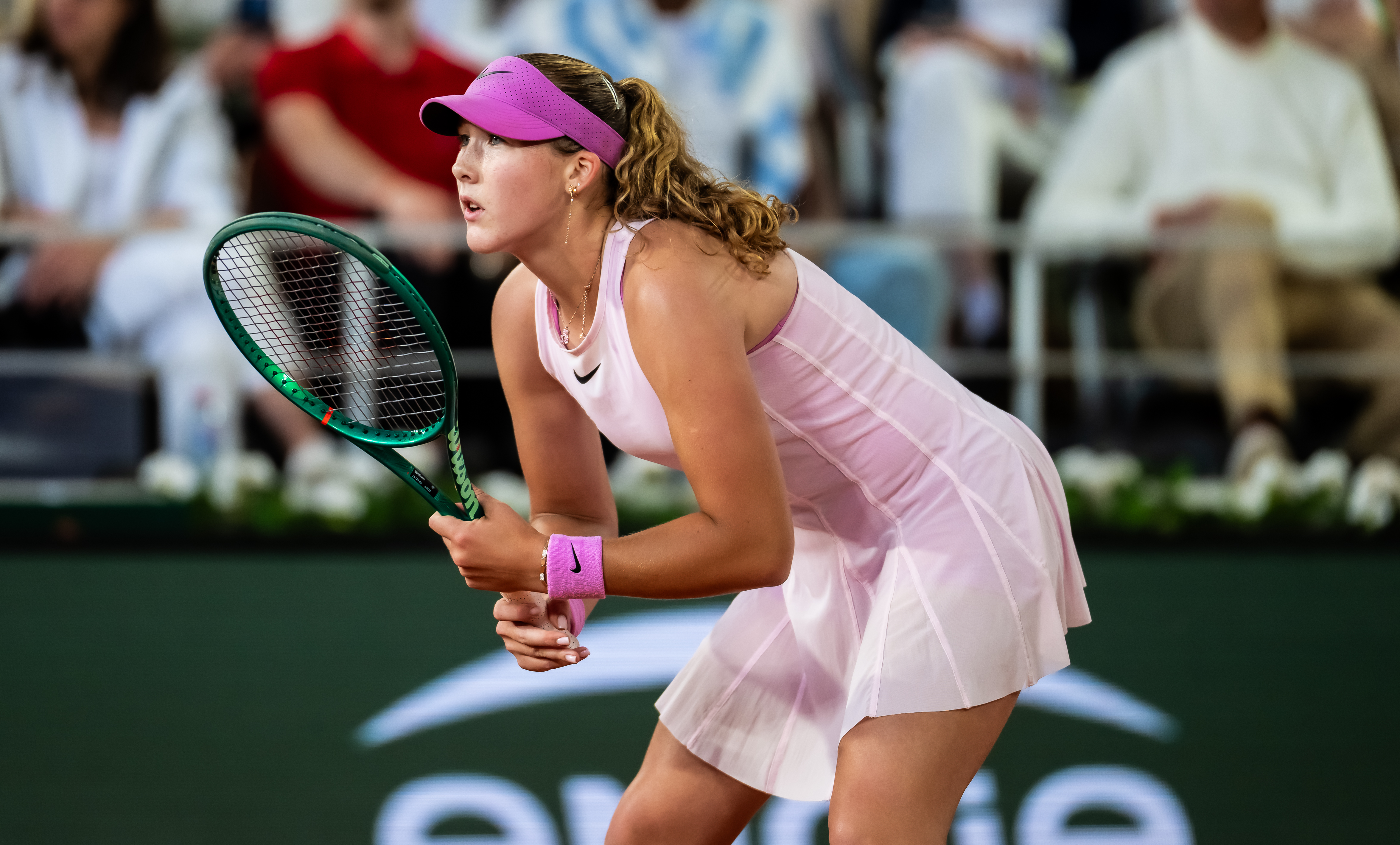
Mirra Andreeva Withdraws from Berlin Open After Roland Garros Triumph: Key Details
Mirra Andreeva, the reigning Roland Garros singles champion, has withdrawn from the Berlin Open, a WTA 500 tournament, according to a statement from the event organizers. The 18-year-old Russian player, who captured her first Grand Slam title at the French Open in June 2024, cited an unspecified “medical concern” as the reason for her absence. The decision has sparked discussions about the physical and mental demands of elite tennis and the challenges of maintaining momentum after major tournament success.
What Happened?
The Berlin Open, held annually at the Rotenfeld Tennis Club, confirmed Andreeva’s withdrawal on July 10, 2024. A statement from the tournament’s management described the news as “disappointing,” noting that the player had been a “key attraction” for the event. Andreeva, who reached the third round at Roland Garros before defeating Elena Rybakina in the final, had been expected to compete in Berlin as part of her preparations for Wimbledon, which begins in late June.
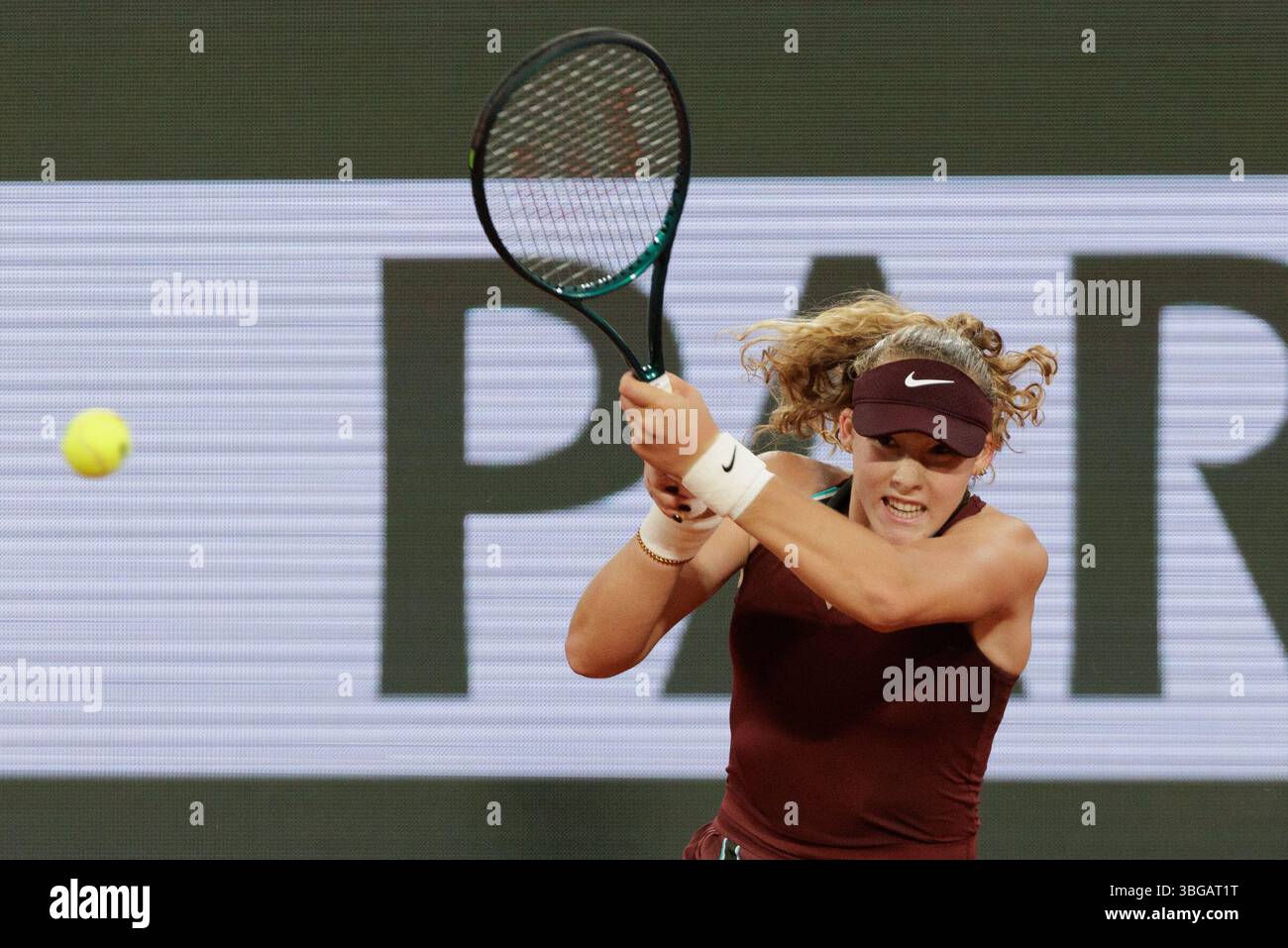
While the specific nature of Andreeva’s medical issue remains undisclosed, her withdrawal follows a pattern observed in other young players who face physical setbacks after intense Grand Slam campaigns. The WTA Tour has not issued an official statement from Andreeva’s team, but sources familiar with her schedule indicate she is undergoing “rest and evaluation” ahead of the All England Club’s championships.
Who Is Involved?
Mirra Andreeva, born in 2006 in Kemerovo, Russia, has emerged as one of the most promising talents in women’s tennis. Her Roland Garros victory marked a career milestone, elevating her to a career-high ranking of No. 12 in the WTA rankings. The Berlin Open, which features a 32-player singles draw, includes players such as Aryna Sabalenka, Karolína Muchová, and Ons Jabeur, but Andreeva’s absence creates an opportunity for lower-ranked athletes to advance in the tournament.
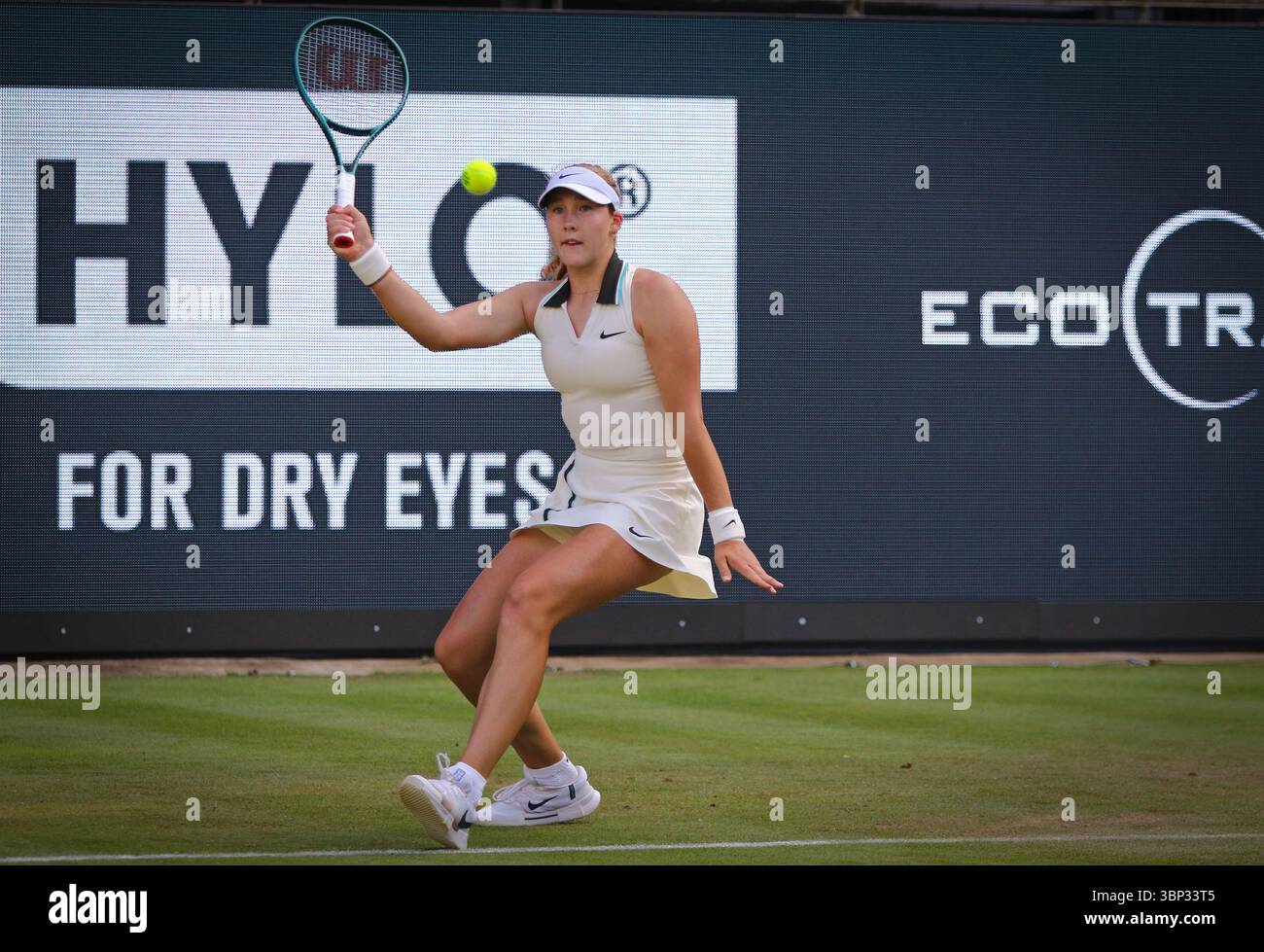
The Berlin Open itself, established in 1993, is a significant event on the WTA calendar, offering 500 ranking points to the champion. The tournament’s organizers, led by managing director Christian Neureuther, have emphasized their commitment to hosting “a competitive and exciting event” despite the setback. Neureuther stated, “We respect Mirra’s decision and hope she returns to the court soon.”
Timelines and Context
Andreeva’s withdrawal comes just weeks after her historic Roland Garros win, which made her the youngest female champion at the tournament since 2008. The French Open’s clay court surface is known for its physical demands, and players often require recovery time before transitioning to grass courts for Wimbledon. Andreeva’s schedule in the months following the French Open included participation in the Madrid Open and the Rome Masters, where she reached the quarterfinals in both events.
The Berlin Open typically serves as a preparatory event for Wimbledon, with many players using it to adjust to grass court conditions. Andreeva’s absence may impact the tournament’s draw, as her presence would have added depth to the top half of the bracket. The tournament’s current draw includes players like Jelena Ostapenko and Beatriz Haddad Maia, who could benefit from her withdrawal.
Why This Matters
Andreeva’s decision highlights the growing scrutiny on player welfare in professional tennis. The WTA has increasingly prioritized health protocols, including mandatory rest periods after Grand Slam events. In 2023, the organization introduced guidelines for “smart scheduling” to prevent overuse injuries, a move that has been praised by player advocates but criticized by some tournament organizers for disrupting traditional schedules.
The withdrawal also raises questions about the pressure on young athletes to maintain peak performance. Andreeva, who turned 18 in March 2024, has faced intense media attention since her Roland Garros victory. Her ability to balance tournament commitments with recovery will be critical to her long-term success. Analysts note that players like Andreeva often experience “post-Grand Slam fatigue,” a phenomenon that has affected stars such as Naomi Osaka and Bianca Andreescu in recent years.
Reactions and Expert Perspectives
Tennis analysts have offered mixed reactions to Andreeva’s withdrawal. “It’s a prudent decision,” said former WTA player Elena Rybakina, who faced Andreeva in the Roland Garros final. “Young players need to listen to their bodies, especially after a Grand Slam. The transition to Wimbledon is tricky, and missing Berlin could be a strategic move.”
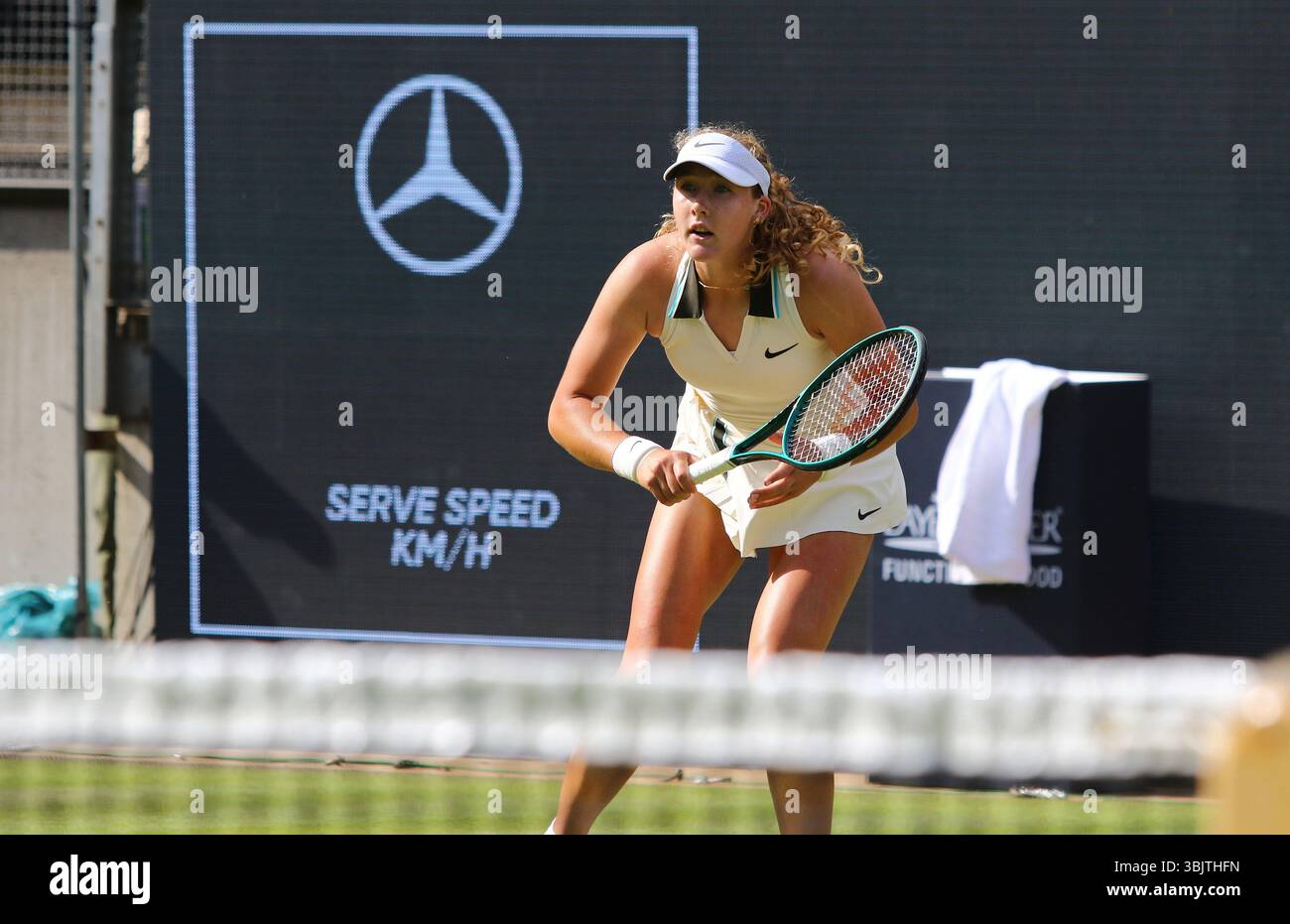
Conversely, some critics argue that withdrawals can disrupt a player’s rhythm. “If you’re not playing, you’re not gaining momentum,” said sports psychologist Dr. Marcus Lee, who has worked with multiple WTA athletes. “The key is to find the right balance between rest and competition. Andreeva’s team will need to manage this carefully.”
Implications for the Berlin Open
The Berlin Open’s organizers have not yet announced replacements for Andreeva, but the tournament’s wildcard selections and rankings system will determine her successor. The event’s prize money of €725,000 remains unchanged, and the draw is expected to remain competitive. Players like Victoria Azarenka and Garbiñe Muguruza, who are also targeting Wimbledon, may face a less challenging path in the absence of Andreeva.
The withdrawal also affects the tournament’s marketing strategy. Andreeva’s presence would have drawn significant fan interest, particularly in Eastern Europe, where she has a growing fan base. Organizers are now
