Dutch industry, construction, and transport sectors remain vulnerable following the conflict involving Iran, according to Amro. While the global economy has not collapsed despite a concurrent energy crisis, regional reports indicate economic shrinkage in East Groningen and Southeast Drenthe, alongside inevitable wage increases in infrastructure-heavy sectors.
- Sector Vulnerability: Amro identifies industry, construction, and transport as the most exposed Dutch sectors.
- Regional Decline: Economic contraction is specifically noted in East Groningen and Southeast Drenthe.
- Labor Trends: Wage hikes are deemed inevitable for transport, healthcare, and construction workers.
- Global Outlook: The world economy has remained resilient against the energy crisis for the time being.
Which sectors are most at risk from Middle East instability?
The Dutch industrial, construction, and transport sectors continue to struggle with the aftermath of the conflict in the Middle East, according to Amro. These sectors are characterized as remaining vulnerable in the wake of the Iran-related war, suggesting a prolonged recovery period for infrastructure and manufacturing logistics.
How is the regional economy reacting in the Netherlands?
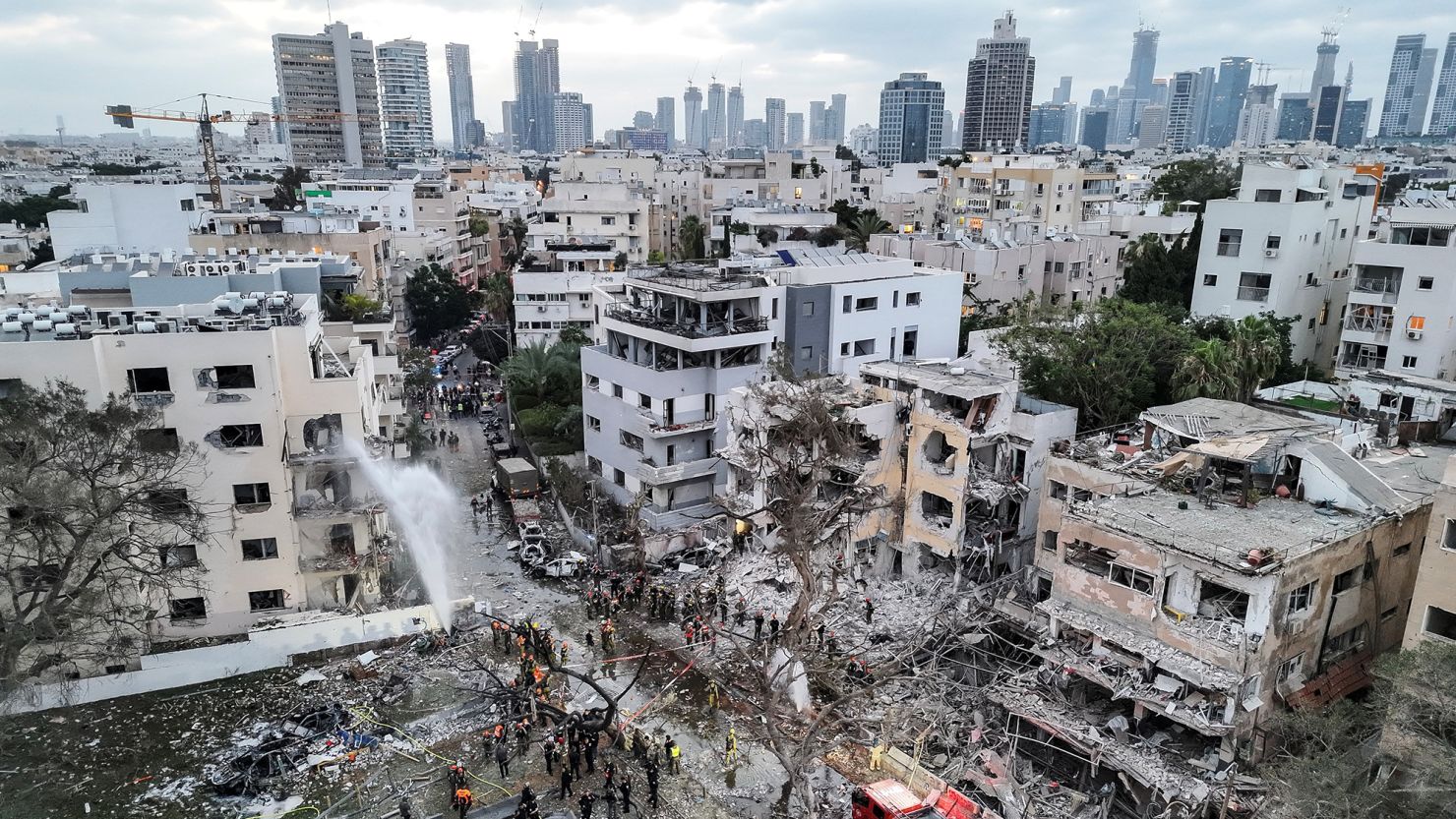
The economic fallout is not uniform across the country. According to local media reports from Dagblad van het Noorden, the consequences of the Iran conflict are becoming increasingly evident at the regional level. Specifically, the economy is shrinking in East Groningen and Southeast Drenthe.
What is happening with labor costs in infrastructure and care?
Labor markets are reacting to these economic pressures through necessary salary adjustments. According to Flexnieuws.nl, higher wages have become inevitable for workers in the construction, healthcare, and transport sectors. This trend suggests that labor shortages or inflationary pressures in these critical infrastructure roles are forcing a baseline increase in compensation.
Is the global economy facing a total collapse?
Despite the volatility and the ongoing energy crisis, the broader global economy has not been destroyed, according to reports from de Volkskrant. The analysis suggests that while specific sectors and regions are under significant strain, the global financial system has maintained a level of stability that has prevented a systemic collapse thus far.
