
S&P 500 Futures Rise as Micron Surges After Earnings; Wall Street Awaits Key Inflation Reading
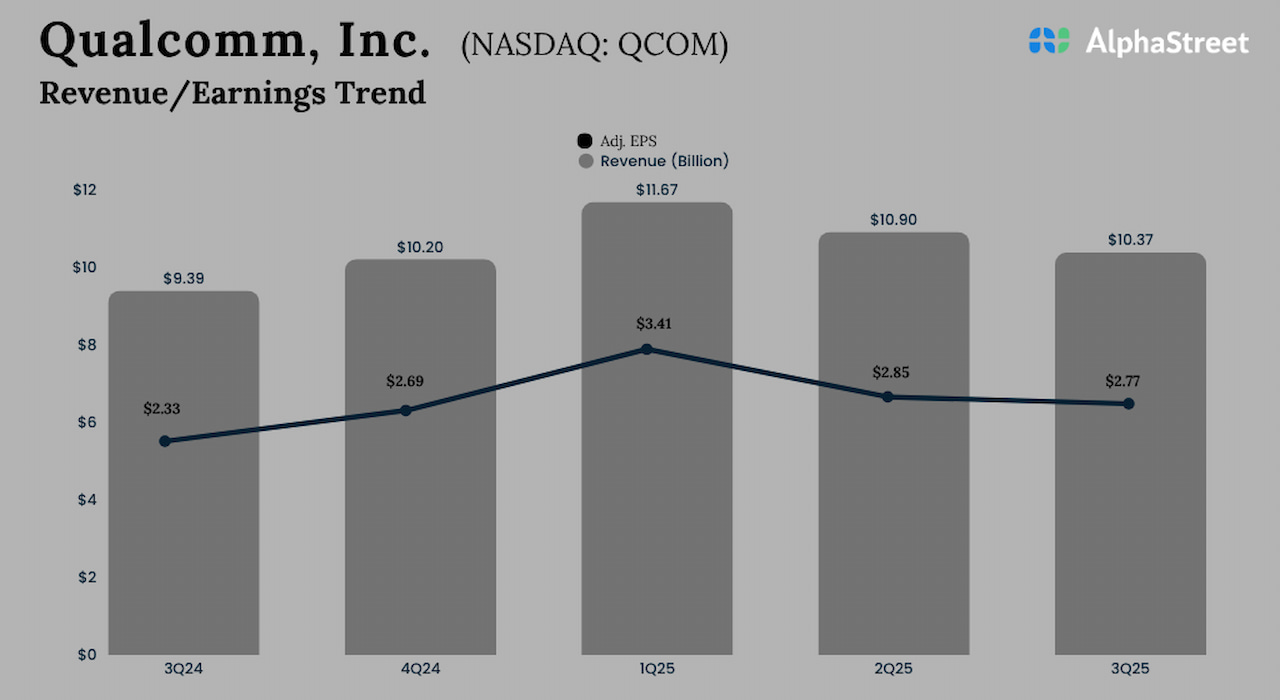
S&P 500, Dow, and Nasdaq futures rose Monday, June 24, 2026, driven by strong earnings from Micron Technology and positive forecasts from Qualcomm. According to Reuters, these developments sparked a $400 billion rally in AI chip stocks, while investors await a critical inflation report to gauge future Federal Reserve policy.
The surge in futures contracts indicates a bullish sentiment heading into the opening bell. According to CNBC, the primary catalyst is Micron Technology’s latest earnings report, which has acted as a bellwether for the semiconductor industry. This movement comes as Wall Street attempts to balance corporate growth in the artificial intelligence sector against macroeconomic pressures, specifically pending inflation data that could dictate interest rate trajectories.
Why are S&P 500 futures rising today?
The rise in S&P 500 futures is primarily a reaction to a renewed confidence in the artificial intelligence (AI) hardware pipeline. According to Yahoo Finance, futures for the Dow and Nasdaq are also trending upward as Micron and Qualcomm provide data that eases previous “AI jitters” among institutional investors. These jitters stemmed from concerns that the massive capital expenditure on AI infrastructure might not yield immediate productivity gains.
Micron’s earnings results provided a concrete data point for demand. Because Micron produces the high-bandwidth memory (HBM) essential for AI accelerators, its financial performance serves as a proxy for the health of the entire AI ecosystem. When Micron reports strong growth, it signals to the market that the demand for AI chips remains robust, regardless of broader economic headwinds.
The market is currently operating in a state of “split focus.” On one side, the micro-economic data from tech giants suggests an aggressive growth phase. On the other, the macro-economic environment remains volatile. According to Bloomberg, this volatility is evidenced by sliding oil prices, which typically suggests a cooling in industrial demand or an increase in supply, contrasting with the heating up of the tech sector.
| Market Driver | Impact Direction | Primary Source/Entity | Key Influence |
|---|---|---|---|
| AI Chip Forecasts | Positive (Bullish) | Micron, Qualcomm | $400 billion stock rally |
| Inflation Reading | Pending (Neutral/Cautious) | Wall Street / Fed | Interest rate expectations |
| Energy Prices | Negative (Bearish) | Oil Markets | Potential economic slowdown |
How did Micron and Qualcomm impact the AI chip sector?
According to Reuters, the forecasts provided by Micron and Qualcomm ignited a rally in AI chip stocks totaling approximately $400 billion in market capitalization. This rally is not limited to the two companies but has cascaded across the semiconductor supply chain. The market interprets these forecasts as a confirmation that the AI build-out is entering a second, more sustainable phase of growth.

Qualcomm’s role in this rally centers on the integration of AI into edge devices, such as smartphones and laptops. While Micron handles the memory required for massive data centers, Qualcomm’s forecasts suggest that AI is moving from the cloud to the consumer’s hand. This expansion of the “addressable market” for AI is what Yahoo Finance describes as the factor easing investor anxiety.
“Micron Earnings Spark Tech Turnaround” — Wall Street Journal, June 24, 2026.
The Wall Street Journal reports that this “turnaround” follows a period of uncertainty where investors questioned if the AI trade had peaked. By delivering strong earnings and forward-looking guidance, Micron has effectively reset the narrative, suggesting that the ceiling for AI-related valuation is higher than previously estimated. This has led to a broad-based lift in tech-heavy indices, which are heavily weighted toward these semiconductor entities.
The Role of High-Bandwidth Memory (HBM)
To understand why Micron specifically moves the S&P 500, it is necessary to look at the technical requirements of AI. Large Language Models (LLMs) require immense amounts of data to move between the processor and the memory. HBM allows for this transfer at speeds far exceeding traditional DRAM. As a leading producer of HBM, Micron’s revenue is directly tied to the volume of AI chips being shipped by companies like Nvidia.
- Demand Signal: High Micron sales = High AI chip production.
- Pricing Power: Strong earnings suggest Micron can maintain high margins on specialized AI memory.
- Supply Chain Health: Positive guidance indicates that raw material and manufacturing bottlenecks are easing.
What inflation reading is Wall Street awaiting?
Despite the euphoria in tech stocks, a significant portion of the market remains cautious. According to CNBC, Wall Street is awaiting a “key inflation reading”—likely the Consumer Price Index (CPI) or Personal Consumption Expenditures (PCE) report. These figures are the primary tools the Federal Reserve uses to determine whether to raise, hold, or cut interest rates.
The tension lies in the fact that tech stocks, particularly those in high-growth sectors like AI, are highly sensitive to interest rates. When inflation is high, the Fed keeps rates elevated. High rates increase the cost of borrowing for companies and decrease the present value of future earnings, which often leads to a compression of price-to-earnings (P/E) multiples for growth stocks.
If the upcoming inflation reading shows a continued decline toward the Fed’s 2% target, it could provide a “double tailwind” for the market: strong corporate earnings from the AI sector combined with the prospect of lower interest rates. Conversely, a “hot” inflation report could wipe out the gains sparked by Micron, as investors fear the Fed will maintain a restrictive monetary policy for longer.
The Correlation Between Inflation and Tech Valuations
Historically, the relationship between inflation and tech stocks has been inverse. According to general market analysis, when inflation spikes, investors rotate out of “growth” (tech) and into “value” (energy, staples). However, the current cycle is unique because AI is viewed as a productivity tool that could actually lower inflation over the long term by reducing the cost of labor and services. This creates a complex dynamic where AI stocks may resist the typical gravity of high inflation more than they did in previous decades.

How do sliding oil prices factor into the current market?
While tech is surging, Bloomberg reports that oil prices are sliding. This divergence is critical for a complete understanding of the current market state. Falling oil prices can be interpreted in two contradictory ways:
- The Bullish View: Lower energy costs reduce input prices for almost every business in the S&P 500, which helps cool inflation and supports the case for interest rate cuts.
- The Bearish View: A sharp drop in oil often signals a global economic slowdown or a recession, as demand for energy falls when industrial activity wanes.
Currently, the market seems to be leaning toward the bullish interpretation, as the rise in futures suggests that investors are more focused on the AI-driven growth story than the potential for a broader industrial slump. The sliding oil prices may actually be helping the S&P 500 futures rise by easing the inflation fears that Wall Street is currently monitoring.
Comparing the Narratives: Reuters vs. Yahoo Finance vs. Bloomberg
Analyzing the reporting across major outlets reveals a slight difference in framing. Reuters focuses heavily on the quantitative impact, citing a specific “$400 billion AI chip stock rally.” This frames the story as a massive capital reallocation. In contrast, Yahoo Finance frames the event psychologically, noting that the earnings “ease AI jitters.” This suggests that the market was in a state of fear, and Micron provided the necessary reassurance.
Bloomberg takes a broader macroeconomic approach, linking the tech surge to the slide in oil. This creates a more balanced picture of a market that is not just “rallying” but is instead shifting its weight from old-economy energy assets to new-economy AI assets. While the WSJ focuses on the “turnaround” aspect, highlighting a pivot from a bearish to a bullish trend in tech.
This divergence shows that while the facts (Micron earnings, futures rising) are the same, the market’s internal logic is multifaceted. It is simultaneously a story of corporate success, psychological relief, and macroeconomic realignment.
Common Misconceptions About the AI Rally
A common oversimplification is that “AI is a bubble” because stocks are rising rapidly. However, the current rally, as reported by the WSJ and Reuters, is increasingly tied to earnings rather than just speculation. When a company like Micron reports actual profit growth and increased revenue from HBM sales, the rally is backed by cash flow. This differs from the dot-com bubble of 2000, where many companies had high valuations but zero revenue.
Another misconception is that the S&P 500 is rising uniformly. In reality, the index is heavily weighted. A surge in Micron, Qualcomm, and other semiconductor giants can pull the entire S&P 500 upward even if smaller companies in the index are stagnant or declining. This “concentration risk” is a recurring theme in current Wall Street analysis.
What to monitor in the coming trading sessions
The immediate focus remains on the intersection of the AI trade and the Federal Reserve’s data. Investors should track the following indicators to determine if the current rise in futures is sustainable:
- The Inflation Print: Any deviation from expected CPI or PCE numbers will likely trigger immediate volatility in the Nasdaq and S&P 500.
- Further Semi-Conductor Guidance: As other chipmakers report, the market will look for confirmation that Micron’s success is systemic and not an isolated event.
- Treasury Yields: A spike in the 10-year Treasury yield would typically put downward pressure on the AI stocks that are currently driving the rally.
- Energy Floor: If oil continues to slide precipitously, the narrative may shift from “cooling inflation” to “economic recession,” which could dampen the tech rally.
The current market environment is a tug-of-war between the excitement of a technological revolution and the reality of a restrictive monetary environment. The Micron earnings report has given the “growth” side of the rope a significant pull, but the inflation reading will determine who holds the advantage for the remainder of the quarter.
Frequently Asked Questions
What are S&P 500 futures and why do they matter?
S&P 500 futures are financial contracts that allow investors to bet on the future value of the S&P 500 index. They trade nearly 24 hours a day. Because they trade outside of regular market hours, they serve as a primary indicator of how the stock market is likely to open. When futures rise, it generally suggests the market will open higher.
Why does a single company like Micron affect the entire S&P 500?
Micron is considered a “bellwether” company. Because its products (memory chips) are essential components for almost all electronics and AI servers, its financial health reflects the health of the broader tech sector. Since the S&P 500 is market-cap weighted, the massive valuations of the tech sector mean that movements in semiconductor stocks have a disproportionate impact on the overall index.
How does inflation data affect AI and tech stocks?
Tech stocks are often valued based on their future earnings. To calculate the present value of those future earnings, analysts use a “discount rate,” which is heavily influenced by current interest rates. When inflation is high, the Federal Reserve raises interest rates, which increases the discount rate and lowers the current valuation of growth stocks.
What is the difference between the “AI trade” and a “tech bubble”?
A bubble is characterized by price increases not supported by fundamental value. The “AI trade” currently refers to investments in companies that are showing actual increases in revenue and profit due to AI demand. As noted in reports from the WSJ and Reuters, the current rally is being driven by earnings reports (fundamental value) rather than purely speculative hype.
Why are oil prices mentioned in a story about tech stocks?
Oil prices are a key indicator of both economic health and inflation. Falling oil prices can lower the overall inflation rate, which is a positive for the stock market and the Federal Reserve’s goals. However, they can also signal a slowdown in global industrial activity, which could eventually affect the demand for the very chips Micron produces.
For those tracking the broader economy, a related explainer on Federal Reserve interest rate policy may provide more context on how inflation readings translate into market movements.
