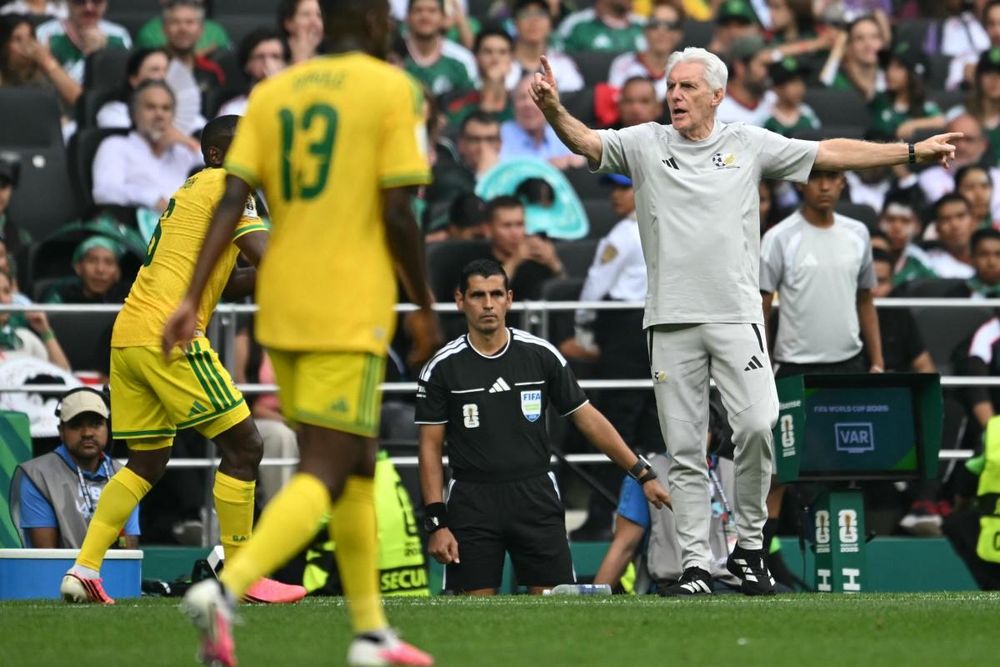
Furious Hugo Broos slams referee after nine-man Bafana Bafana sink to Mexico defeat
Bafana Bafana lost their 2026 World Cup opening match to Mexico, finishing the game with only nine players after receiving two red cards. Head coach Hugo Broos criticized the referee’s decisions following the defeat, which extends South Africa’s historical drought of opening-match wins in the tournament, according to reports from IOL and Daily Maverick.
Why Hugo Broos criticized the officiating in the Mexico match
Hugo Broos expressed intense frustration with the match officials after South Africa’s opening World Cup 2026 fixture ended in a defeat to Mexico. The South African head coach specifically targeted the referee’s decision-making, which resulted in Bafana Bafana playing a significant portion of the match with only nine men. According to IOL, Broos “slammed” the referee, suggesting that the disciplinary actions taken against his players were excessive or unjustified.
The match turned on the issuance of two red cards, which stripped the South African side of its tactical shape and forced a defensive retreat. Broos’ reaction suggests a belief that the officiating skewed the competitive balance of the game. This friction between the technical bench and the officiating crew highlights a recurring tension in high-stakes international football, where a single refereeing decision can alter the trajectory of a nation’s World Cup campaign.
The impact of these dismissals was immediate. Playing with a two-man disadvantage forced Bafana Bafana to abandon their offensive strategies and focus entirely on damage limitation. While Mexico capitalized on the numerical advantage to secure the win, Broos maintained that the referee’s intervention was the primary catalyst for the collapse.
How red cards and VAR shaped the Bafana Bafana defeat
The collapse of the South African side was accelerated by a series of disciplinary actions that left them severely undermanned. Al Jazeera reported that the opening day of the 2026 World Cup was characterized by a heavy reliance on the Video Assistant Referee (VAR) and the implementation of hydration breaks, both of which influenced the tempo of the Mexico versus South Africa clash.
The two red cards issued to Bafana Bafana players were not isolated incidents but part of a broader trend of strict officiating observed across the tournament’s first day. When a team drops to nine players, the physical toll increases exponentially. According to Al Jazeera, the hydration breaks provided momentary relief, but they couldn’t offset the tactical void left by the missing players.
The role of VAR in these decisions remains a point of contention. While the technology is designed to eliminate “clear and obvious” errors, the subjective nature of what constitutes a red-card offense often leads to the kind of fallout seen in the Broos camp. The synergy between the on-field referee and the VAR booth in this match ensured that the dismissals stood, regardless of the protests from the South African bench.
Key disciplinary impacts during the match:
- Numerical Disadvantage: Bafana Bafana shifted from a balanced formation to a desperate defensive shell.
- Physical Exhaustion: The remaining players had to cover significantly more ground, leading to late-game fatigue.
- Tactical Rigidity: Broos was unable to execute planned substitutions to regain offensive momentum due to the lack of available personnel.
The “World Cup Shambles”: Analyzing preparation and tactics
While Hugo Broos pointed to the referee, other analysts suggest the defeat was rooted in deeper systemic issues. News24 characterized the performance as a “shambles,” citing poor preparation and flawed tactics that left South Africa “on the ropes” long before the red cards were issued.
The News24 analysis suggests that Bafana Bafana entered the match without a cohesive plan to neutralize Mexico’s strengths. Instead of controlling the midfield, the South African side appeared reactive, struggling to maintain possession under pressure. This tactical fragility made the team more susceptible to the fouls that eventually led to the dismissals.
Critiques of the preparation process indicate a lack of high-intensity friendly matches against similar opposition prior to the tournament. When faced with the speed and aggression of the Mexican side, the Bafana Bafana players appeared overwhelmed. This disconnect between the training camp’s goals and the match-day reality suggests a failure in the strategic lead-up to the 2026 event.
“Poor preparation and tactics leave SA on the ropes,” according to reporting by News24, framing the loss as an organizational failure rather than just a series of bad calls.
The historical context of Bafana Bafana’s opening match drought
The defeat to Mexico is not an isolated failure but part of a persistent trend. Daily Maverick reports that Bafana Bafana’s drought of opening match wins in World Cups continues. This pattern creates a psychological burden for the squad, as the pressure to break the streak often leads to tentative play or over-aggression in the first 90 minutes of the tournament.
Historically, South Africa has struggled to adapt to the intensity of the opening game. Whether due to nerves, tactical misalignment, or the quality of the opposition, the “opening day curse” remains a significant hurdle. The loss to Mexico reinforces this narrative, placing Bafana Bafana in a precarious position for their remaining group stage matches.
To understand the scale of this struggle, consider the following comparative view of Bafana Bafana’s typical World Cup opening trajectory:
| Factor | Typical Opening Game Trend | Mexico 2026 Match Result |
|---|---|---|
| Match Outcome | Consistent failure to secure a win | Defeat |
| Disciplinary Record | Variable | Critical (Two red cards) |
| Tactical Approach | Cautious/Reactive | Overwhelmed/Fragile |
| Mental State | High pressure to break drought | Collapsed under pressure |
Contrasting media narratives: “Sjambokked” vs. “Shambles”
The reporting on the match varies significantly across different media outlets, reflecting different interpretations of how the game was lost. eNCA used vivid language to describe the result, stating that Mexico “sjambokked” Bafana Bafana in a dramatic opener. The use of the term “sjambok”—referring to a heavy whip—implies a dominant, perhaps punishing, physical superiority by the Mexican team.

In contrast, News24 focused on the internal failures of the South African camp, using the word “shambles” to describe the tactical and preparatory state of the team. While eNCA framed the story as a case of Mexico being an overwhelming force, News24 framed it as South Africa being an under-prepared one.
IOL’s coverage centered on the emotional aftermath, focusing on the “furious” reaction of Hugo Broos. By highlighting the coach’s anger toward the referee, IOL shifted the narrative toward external injustice, contrasting with the internal critiques found in News24. These three perspectives—physical dominance (eNCA), tactical failure (News24), and officiating injustice (IOL)—provide a complete picture of the chaos surrounding the match.
For more on the squad’s current standing, readers may find a related explainer on Bafana Bafana’s World Cup qualification journey useful to understand the expectations leading into this game.
Implications for the remainder of the tournament
The loss to Mexico leaves Bafana Bafana in a difficult position. Beyond the three points dropped, the two red cards may lead to suspensions for key players in the subsequent group matches. This further thins a squad that News24 already claimed was poorly prepared.
Hugo Broos now faces a dual challenge: he must manage the disciplinary fallout and the psychological blow of another opening-game defeat, while simultaneously refining tactics that have been publicly labeled a “shambles.” The focus will likely shift toward defensive solidity and discipline to avoid further red cards, as the team can no longer afford to play with a numerical disadvantage.
The continuing drought mentioned by Daily Maverick also means the team is fighting an uphill battle against their own history. To advance, Bafana Bafana must prove they can compete with elite opposition without relying on the referee as a scapegoat for their tactical shortcomings.
Immediate priorities for the coaching staff:
- Disciplinary Review: Analyzing the red card incidents to prevent similar outbursts in future games.
- Tactical Pivot: Moving away from the “on the ropes” approach to a more proactive midfield presence.
- Psychological Recovery: Addressing the “opening match drought” mentality to regain player confidence.
Frequently Asked Questions
Why did Bafana Bafana end up with nine men against Mexico?
According to reports from IOL and Al Jazeera, Bafana Bafana received two red cards during the match. Head coach Hugo Broos has since criticized the referee’s decisions, claiming the dismissals were unfair.
What is the “opening match drought” mentioned in the reports?
As reported by Daily Maverick, Bafana Bafana has a historical trend of failing to win their first match in World Cup tournaments. The loss to Mexico in 2026 continues this unsuccessful streak.
How did News24 describe South Africa’s performance?
News24 described the performance as a “shambles,” attributing the loss to poor preparation and tactical failures that left the team vulnerable throughout the match.
Did VAR play a role in the match results?
Yes. Al Jazeera noted that VAR was a significant factor on the opening day of the 2026 World Cup, contributing to the strict officiating and the red cards issued during the Bafana Bafana versus Mexico game.
Who is Hugo Broos?
Hugo Broos is the head coach of Bafana Bafana, the South African national football team, who led the team into the 2026 World Cup.
As the tournament progresses, the focus remains on whether Broos can stabilize his squad or if the tactical issues identified by critics will lead to an early exit for South Africa. The tension between the coaching staff and the officials serves as a reminder of the volatility inherent in the World Cup’s most pressurized stage.
