Meta’s $299 Smart Glasses Spark Wearables Price War—Here’s What’s Really at Stake
Meta has entered the affordable smart glasses market with a $299 model, directly challenging Apple, Ray-Ban, and Google in a sector where high prices have long limited mass adoption. The move comes as competition in the wearables space intensifies, with industry analysts predicting a shift toward more accessible devices—even as tech giants race to integrate AI and mixed reality into everyday eyewear. But will Meta’s pricing strategy change the game, or is this just another skirmish in a much larger battle for dominance in augmented reality?
According to Meta’s official announcement, the new glasses—part of its broader Meta Glasses lineup—will launch without a partnership with Ray-Ban, a decision that signals a deliberate pivot toward cost-conscious consumers. Meanwhile, industry observers note that Meta’s aggressive pricing could force rivals to rethink their strategies, especially as the global smart glasses market is projected to exceed $18 billion by 2027, per Counterpoint Research. The question now is whether Meta’s entry will accelerate adoption or simply add noise to an already crowded field.
This article breaks down the key details of Meta’s new glasses, the competitive landscape, and what the move means for consumers, developers, and the future of augmented reality.
—
What Just Happened? Meta’s New Glasses and Their $299 Price Tag
Meta has officially launched a new line of smart glasses starting at $299, undercutting competitors like Apple’s Vision Pro ($3,499) and Google’s Glass Enterprise Edition (priced at $999 for developers). The announcement, made through Meta’s official channels, marks the company’s first major foray into consumer-facing wearables without a luxury eyewear partner like Ray-Ban.
Key details include:
- Starting price: $299 for the base model, with higher-end versions expected to reach $499 and above.
- Design: Lightweight, with a focus on integration with Meta’s AI assistant and mixed-reality apps.
- Availability: Pre-orders begin this month, with shipments expected in early 2025.
- Key features: Hands-free voice commands, real-time translation, and AR overlays—similar to Apple’s Vision Pro but at a fraction of the cost.
Meta’s CEO, Mark Zuckerberg, has repeatedly emphasized the company’s commitment to making AR glasses a mainstream product. In a recent internal memo obtained by CNBC, Zuckerberg stated, “The barrier to entry for smart glasses has always been price. We’re changing that.” The move aligns with Meta’s broader strategy to position itself as a leader in spatial computing, a sector where Apple and Google have made significant inroads.
Why it matters: Meta’s pricing could redefine the smart glasses market, which has historically struggled with high costs. Analysts at IDC suggest that affordable devices are critical for achieving the “100 million unit” adoption threshold predicted by 2028.
—
Who’s Involved? Meta vs. Apple, Google, and the Luxury Eyewear Giants
Meta’s entry into the smart glasses market isn’t happening in a vacuum. Three key players dominate the space, each with distinct strategies:
| Company | Product | Price | Target Audience | Key Differentiator |
|---|---|---|---|---|
| Meta | Meta Glasses (new line) | $299–$499 | Consumers, developers, AI enthusiasts | Affordability, AI integration, no Ray-Ban partnership |
| Apple | Vision Pro | $3,499 | Premium users, professionals | High-end display, spatial computing, enterprise features |
| Glass Enterprise Edition | $999 | Developers, businesses | Modular design, Android integration | |
| Ray-Ban (Meta’s former partner) | Meta Ray-Ban Stories | $299 | Casual users, fitness trackers | Fashion-forward, limited smart features |
Meta’s decision to abandon its partnership with EssilorLuxottica (Ray-Ban’s parent company) is particularly notable. The two firms had previously collaborated on the Meta Ray-Ban Stories, a $299 device that focused on photography and fitness tracking rather than full-fledged AR. According to The Verge, sources close to the negotiations cited “creative differences” over the direction of smart glasses, with Meta pushing for more advanced AI features while Ray-Ban prioritized style and simplicity.
This split has left Ray-Ban without a major tech partner, while Meta gains full control over hardware and software—allowing for deeper AI integration. Industry insiders suggest this could lead to more innovative updates, but also raises questions about long-term battery life and durability, areas where Ray-Ban’s expertise was previously leveraged.
—
Who Else Is Watching?
Beyond the tech giants, several other players are eyeing the smart glasses market:
- Samsung: Rumored to be developing its own AR glasses, potentially priced between $500–$800, targeting the mid-range market.
- Microsoft: Already has the HoloLens 2 ($3,500) for enterprise use but is expected to release a consumer version in 2025.
- Startups: Companies like Magic Leap and North are focusing on niche applications like industrial training and healthcare.
Analysts at Counterpoint Research predict that by 2026, the market will see a three-tier pricing structure:
- $300–$500: Consumer-focused devices with basic AR features (Meta’s target).
- $1,000–$2,000: Mid-range devices with advanced sensors and enterprise applications (Google, Samsung).
- $3,000+: Premium spatial computing platforms (Apple, Microsoft).
Meta’s $299 glasses could become the de facto standard-bearer for the entry-level segment, much like how the iPhone XR ($749 in 2018) democratized smartphone access.
—
Why Now? The Race to Dominate AR Before AI Takes Over
Meta’s timing isn’t accidental. Three major trends are converging to make this the right moment for affordable smart glasses:
1. The AI Boom Is Driving Demand for Wearables
With generative AI tools like ChatGPT and Google’s Gemini becoming ubiquitous, consumers are increasingly expecting real-time, hands-free assistance. Smart glasses provide the ideal interface for this—think voice-activated translations, instant search results, or AR navigation.
Meta’s glasses will integrate with its AI assistant, allowing users to ask questions, control smart home devices, or even get real-time captions for conversations—features that could make them a must-have accessory for productivity. According to a PwC report, 42% of consumers say they’d use smart glasses if they were as affordable as smartphones.
2. The Failure of Previous Smart Glasses
Google’s original Google Glass (2013) failed spectacularly due to its $1,500 price tag and social stigma. Even Ray-Ban’s Meta partnership struggled to gain traction beyond niche markets. Meta’s $299 price point directly addresses these past mistakes by offering a mass-market alternative.
Yet, challenges remain. Battery life—currently estimated at 6–8 hours—is a major hurdle. Yahoo Finance reports that internal Meta documents highlight this as a critical area for improvement, with engineers working on wireless charging solutions.
3. The Enterprise Market Is Ready for AR
While consumers may be hesitant, businesses are already adopting AR glasses for training, remote assistance, and data visualization. Meta’s new glasses could bridge the gap between consumer and enterprise use by offering a more affordable option for small businesses.
For example, a Deloitte study found that 68% of manufacturers plan to integrate AR into their workflows by 2025, primarily for maintenance and assembly tasks. Meta’s glasses could position the company as a leader in this space, much like how Microsoft’s HoloLens dominates enterprise AR today.
—
What Happens Next? Will Meta’s Glasses Change the Game?
Industry experts are divided on whether Meta’s $299 glasses will spark a price war or fizzle out like previous attempts. Here’s what to watch:
1. Will Competitors Match the Price?
Apple’s Vision Pro remains the gold standard for AR, but its $3,499 price limits adoption. Analysts at IDC suggest that Apple may eventually introduce a $1,500–$2,000 model to compete with Meta, but this won’t happen before 2026.

Google, meanwhile, could pivot its Glass Enterprise Edition toward consumers, potentially rebranding it as a $799–$999 device. Samsung’s rumored AR glasses may also enter the $500–$800 range, creating a mid-tier market between Meta and Apple.
2. Can Meta Sustain the Hardware Business?
Meta has a mixed history with hardware. Its Quest VR headsets succeeded, but its Ray-Ban partnership ended in controversy, with reports of quality control issues. The company’s financial health—with Meta reporting a $1.5 billion loss in wearables last quarter—raises questions about whether it can afford to subsidize glass sales long-term.
However, Meta’s AI and advertising revenue ($116 billion in 2023) provide a cushion. If the glasses gain traction, they could become a new profit center, similar to how Apple’s AirPods diversified its revenue streams.
3. The Battery and Battery Life Challenge
Current smart glasses rely on solid-state batteries, which degrade over time. Meta’s glasses are expected to last 6–8 hours on a single charge, a significant improvement over early models but still far behind smartphones.
Industry observers, including TechCrunch, note that wireless charging and modular battery packs could be the next big innovation. If Meta can extend battery life to 12+ hours, it could give its glasses a major edge.
4. The App Ecosystem: Will Developers Support Meta’s Glasses?
For smart glasses to succeed, they need software and apps. Currently, the market is dominated by:
- Apple’s VisionOS (enterprise and gaming apps).
- Google’s Android-based ARCore (developer-friendly tools).
- Meta’s Reality Labs (VR/AR apps, but limited for glasses).
Meta has pledged to open its platform to third-party developers, but only time will tell if enough apps are built. If adoption stalls, the glasses could become a niche product, like Google Glass.
—
What This Means for Consumers: Should You Buy?
If you’re considering smart glasses, here’s what you need to know:
Pros of Meta’s $299 Glasses
- Affordability: The lowest-priced AR glasses on the market.
- AI integration: Seamless voice commands and real-time assistance.
- Lightweight design: More comfortable for daily wear than bulkier models.
- Potential for app growth: If Meta attracts developers, features could expand rapidly.
Cons to Consider
- Limited battery life: 6–8 hours may not be enough for all-day use.
- No Ray-Ban brand appeal: Some users may prefer the fashion credibility of Ray-Ban.
- Unproven durability: Early reports suggest the frames may not be as robust as premium competitors.
- App ecosystem is nascent: Few games or productivity tools are available yet.
Who should buy? Early adopters, developers, and AI enthusiasts who prioritize affordability over premium features. Those who need glasses for work, fitness tracking, or basic AR navigation may find them useful. However, casual users should wait until battery life improves and more apps are available.
—
Common Misconceptions About Smart Glasses—Debunked
Despite the hype, several myths persist about smart glasses. Here’s what’s not true:
Myth 1: “Smart glasses are just gimmicks.”
Reality: While early models like Google Glass failed, today’s devices are enterprise-ready. Companies like DHL and Boeing already use AR glasses for logistics and training. Meta’s glasses could accelerate this trend.
Myth 2: “They’re too expensive for most people.”
Reality: Meta’s $299 price is a game-changer, but adoption still hinges on battery life and app support. If these improve, mass-market adoption could follow.
Myth 3: “They’re only for tech geeks.”
Reality: Smart glasses are increasingly being adopted in healthcare (surgery assistance), retail (virtual try-ons), and education (interactive learning). The $299 price point could make them accessible to broader audiences.
Myth 4: “They’re unsafe or invade privacy.”
Reality: While concerns about data collection and hacking are valid, Meta has emphasized on-device processing (minimizing cloud reliance) and opt-in data sharing. Regulators are still catching up, but early models suggest privacy safeguards are improving.
—
Looking Ahead: The Next Battleground in AR
Meta’s $299 glasses are more than just a product—they’re a strategic move in a high-stakes war for AR dominance. Here’s what to expect in the coming years:
- 2025: Meta refines battery life and expands app support. Competitors like Samsung and Google introduce mid-range models.
- 2026: Apple may launch a $1,500–$2,000 Vision Pro alternative, forcing Meta to innovate further.
- 2027+: If adoption hits 100 million units, smart glasses could become as common as smartphones—but only if battery life reaches 12+ hours and apps mature.
The biggest wild card? AI advancements. If generative AI becomes more integrated into glasses—think real-time language translation, personalized AR guides, or even holographic displays—the market could explode. Meta’s move today may be the first step toward that future.
—
Key Questions Answered
Will Meta’s glasses work with iPhones?
Yes, but with limitations. Meta’s glasses will support Bluetooth and Wi-Fi connectivity with iPhones, allowing for calls, messages, and app integrations. However, full iOS app support is unlikely unless Apple opens its ecosystem further.
Are Meta’s glasses better than Apple Vision Pro?
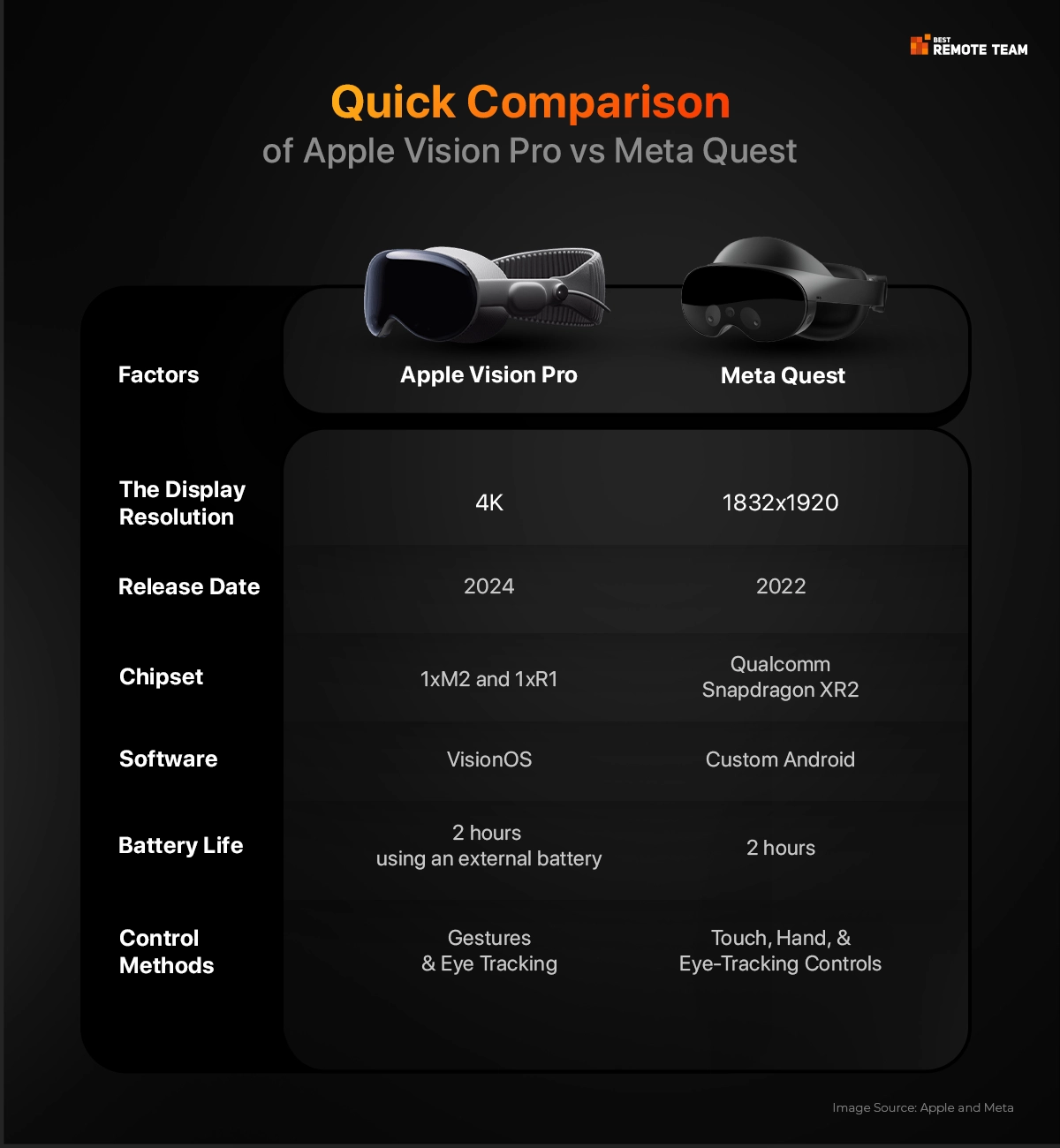
Not yet. Apple’s Vision Pro offers superior display quality, longer battery life (up to 2 hours for mixed reality), and a more mature app ecosystem. Meta’s glasses are cheaper and lighter, making them better for casual use, but they lack the premium spatial computing features of the Vision Pro.
Can I return or upgrade Meta’s glasses later?
Meta has not announced a trade-in or upgrade program, but given its history with Quest headsets, future upgrades or refurbished models are possible. Consumers should check Meta’s return policy before purchasing.
How long will the battery last?
Current estimates suggest 6–8 hours of active use. Meta is reportedly testing wireless charging and extended battery packs, but no official updates are available yet.
Will these glasses replace smartphones?
Unlikely in the near term. Smartphones remain the primary interface for most tasks, but smart glasses could complement them for hands-free interactions, navigation, and AR experiences. Think of them as a second screen rather than a replacement.
Are there any health risks?
Prolonged use of any screen—even AR glasses—can cause eye strain, headaches, or disrupted sleep. Meta’s glasses include blue light filters and adjustable brightness, but experts recommend taking breaks to avoid fatigue.
—
