“Breaking New Ground”: Man Reveals Results After Injecting Himself With Unregulated Tanning Peptide Melanotan 2 – Bored Panda
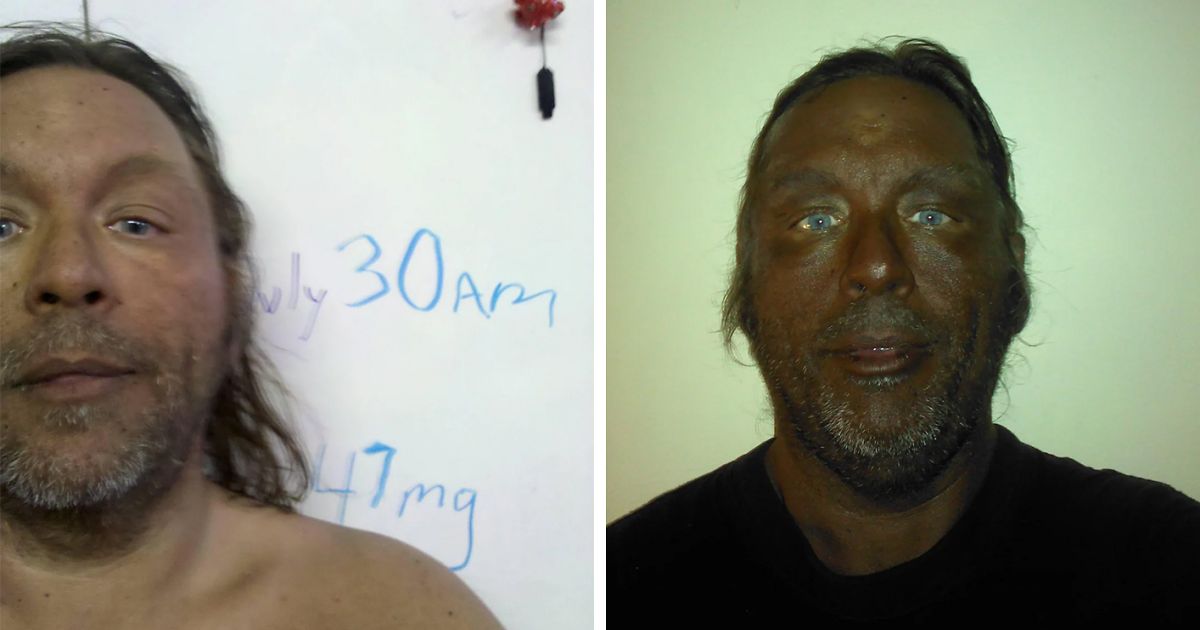
A viral transformation has sparked a global conversation about the dangerous intersection of aesthetic desire and unregulated pharmacology. In a series of shared images and testimonials, a man has detailed his experience using Melanotan II—a synthetic peptide designed to stimulate skin pigmentation—to achieve a deep, sun-kissed glow without the need for traditional UV exposure. While the visual results may seem like a shortcut to a permanent summer tan, medical professionals are sounding the alarm, warning that the “results” come with a cocktail of unpredictable and potentially life-altering side effects.
The story, which gained significant traction under the headline “Breaking New Ground”: Man Reveals Results After Injecting Himself With Unregulated Tanning Peptide Melanotan 2 – Bored Panda, highlights a growing trend of “biohacking” beauty. By bypassing prescriptions and sourcing substances from the grey market, individuals are treating their bodies as laboratories. However, the lack of clinical oversight means that users are often unaware of the systemic impact these peptides have on the human endocrine system and the skin’s long-term health.
The Viral Phenomenon: Aesthetics vs. Anatomy
The core of the current controversy stems from the proliferation of “before and after” photography. In the case that captured public attention, the individual showcased a dramatic shift in skin tone, moving from a pale complexion to a deep bronze through a regimen of subcutaneous injections. For many scrolling through social media, the appeal is obvious: the ability to maintain a tan regardless of geography or season, without the immediate DNA damage associated with excessive UVB radiation.
However, the narrative of “breaking new ground” in tanning is viewed by dermatologists as a dangerous gamble. The substance in question, Melanotan II, is not an approved medication for tanning in most jurisdictions. Instead, it is a synthetic analog of the alpha-melanocyte-stimulating hormone ($alpha$-MSH). While it effectively triggers the production of melanin, it does so by mimicking a hormone that regulates far more than just skin color.
“The danger lies in the invisibility of the risk. A person may look ‘healthy’ and tanned on the outside, while their internal systems are reacting to a substance that has not undergone the rigorous safety trials required for public consumption.”
The Appeal of the “Instant Tan”
To understand why individuals risk injecting unregulated peptides, one must look at the psychological drivers of modern beauty standards. The “sun-kissed” look is often associated with wealth, leisure and health. For those who cannot spend hours in the sun or who are aware of the risks of skin cancer, Melanotan II presents a seductive alternative. The perceived “efficiency” of a peptide injection outweighs the fear of the unknown for a significant number of users.
- Time Efficiency: No need for daily applications of self-tanner.
- Uniformity: A more consistent color than some topical options.
- Psychological Boost: The immediate visual change often leads to increased confidence.
Understanding Melanotan II: The Science of Synthetic Tanning
To grasp why medical experts are so concerned, it is necessary to understand what Melanotan II actually is. It is a peptide—a short chain of amino acids—that binds to melanocortin receptors in the body. Specifically, it targets the MC1 receptor, which is responsible for the production of melanin in the skin.
Unlike natural tanning, where UV rays damage the skin and trigger a protective melanin response, Melanotan II tricks the body into producing melanin without the initial UV trigger. However, this is where the danger intensifies: users often believe they are “immune” to the sun because they are already tan, leading them to spend more time in UV radiation without protection, which can paradoxically increase the risk of severe burns and skin damage.
The Difference Between Melanotan I and II
It is a common misconception that all tanning peptides are the same. Melanotan I was the original version, developed for the treatment of erectile dysfunction and later explored for tanning. Melanotan II is a more potent, synthetic version. While it is more effective at darkening the skin, it is also associated with a much wider and more aggressive array of side effects due to its higher affinity for various melanocortin receptors throughout the body.
Because these substances are typically sold as “research chemicals” and not for human consumption, there is no standardization in dosage, purity, or concentration. A vial purchased online may contain significantly more or less of the active ingredient than labeled, or worse, it may be contaminated with heavy metals or other impurities.
The Dark Side of the Glow: Severe Side Effects
While the viral images focus on the skin, the internal reality is often far more harrowing. Medical reports and user testimonials reveal a spectrum of side effects that range from mild discomfort to medical emergencies. The most common issues include intense nausea, increased libido, and spontaneous erections.
The Risk of Priapism
One of the most alarming warnings issued by physicians involves the risk of priapism—a prolonged, often painful erection that occurs without sexual stimulation. In some cases, these episodes have been reported to last for up to 30 hours. This is not merely an embarrassment; it is a medical emergency. If blood remains trapped in the penis for too long, it can lead to permanent tissue damage and erectile dysfunction.
Dermatological Complications
Beyond the tan, Melanotan II can cause erratic changes in skin pigmentation. Many users report the darkening of existing moles or the appearance of new, irregular spots. This creates a dangerous diagnostic environment for dermatologists. When a mole darkens or changes shape, it is often a primary warning sign of melanoma. Because Melanotan II causes widespread pigment changes, it can effectively “mask” the early signs of skin cancer, delaying life-saving treatment.
| Side Effect Category | Common Manifestations | Medical Risk Level |
|---|---|---|
| Gastrointestinal | Severe nausea, vomiting, appetite loss | Moderate |
| Vascular/Sexual | Priapism, increased libido, flushing | High (Emergency) |
| Dermatological | Mole darkening, hyperpigmentation, masking of melanoma | High (Long-term) |
| Systemic | Insomnia, headaches, hormonal imbalance | Moderate |
The Perils of the Unregulated “Grey Market”
The phrase “unregulated tanning peptide” is the most critical part of the story. When a substance is not approved by bodies like the FDA (USA), EMA (Europe), or TGA (Australia), it exists in a legal vacuum. The products are often sold via encrypted messaging apps or obscure websites that claim the product is “for research purposes only” to evade law enforcement.
This lack of regulation means there is zero quality control. Users are essentially injecting a mystery liquid into their bloodstream. The risks associated with unregulated injections include:
- Sterility Issues: Non-sterile manufacturing can lead to systemic infections or abscesses at the injection site.
- Incorrect Concentration: Overdosing on peptides can lead to acute toxicity or severe hormonal crashes.
- Contaminants: The presence of fillers or impurities can trigger anaphylactic shock in sensitive individuals.
For those interested in the broader implications of unregulated health trends, a related explainer on the risks of DIY biohacking provides further context on why clinical supervision is non-negotiable when altering body chemistry.
The Societal Pressure and the “Biohacking” Trend
The rise of Melanotan II is not an isolated incident but part of a larger trend of “biohacking”—the practice of using science and technology to “optimize” the human body. While some biohacking is harmless (such as intermittent fasting or sleep tracking), the trend of using unapproved peptides represents a dangerous escalation. It reflects a cultural shift where the desire for immediate physical optimization overrides the principle of “first, do no harm.”
Social media platforms act as catalysts for this behavior. When a user sees a “before and after” photo, they see the result, not the process. They don’t see the nausea, the sleepless nights, or the anxiety of a potential medical emergency. The algorithm prioritizes the visual transformation, creating a distorted perception of the risk-to-reward ratio.
Common Misconceptions Corrected
There are several myths surrounding Melanotan II that need to be addressed to prevent further harm:
- Myth: “It’s safer than the sun because there’s no UV.”
Reality: While it avoids UV rays, it introduces systemic chemical risks and can lead to a false sense of security, causing users to neglect sunscreen during actual sun exposure. - Myth: “It’s just a hormone, so it’s natural.”
Reality: Melanotan II is a synthetic analog, not a natural supplement. It is designed to be more potent and stable than the body’s own hormones, which is why it causes more severe side effects. - Myth: “I can just stop taking it if I feel sick.”
Reality: Some hormonal imbalances and skin changes may persist long after the injections stop, and some damage (like priapism-induced tissue death) is irreversible.
Expert Advice and Safer Alternatives
Medical professionals urge anyone considering these peptides to pause and evaluate the long-term cost of a short-term aesthetic gain. The consensus among dermatologists is clear: no tan is worth the risk of systemic organ stress or the masking of a malignant melanoma.
For those seeking a tanned appearance, there are numerous safe, regulated, and effective alternatives that do not involve injecting unregulated chemicals into the body:
- Professional Spray Tanning: Provides a customized, temporary glow with zero systemic risk.
- Self-Tanning Lotions/Mousses: Use DHA (dihydroxyacetone) to temporarily stain the dead outer layer of the skin.
- Dietary Adjustments: Consuming foods rich in beta-carotene (like carrots and sweet potatoes) can provide a subtle, natural warmth to the skin tone.
If someone has already begun using Melanotan II, the recommendation is to cease use immediately and consult a healthcare provider for a full skin check and hormonal screening. It is vital to be honest with a doctor about the substance used, as this information is critical for diagnosing any emerging side effects.
Key Points for Consumer Safety
- Verify Approval: Always check if a substance is approved for human use by a national health authority.
- Avoid “Research Chemicals”: If a product says “not for human consumption,” believe it.
- Consult Professionals: Seek advice from board-certified dermatologists rather than social media influencers.
- Prioritize Health over Aesthetics: Remember that skin health is about more than just color; it is about the integrity of your body’s largest organ.
Frequently Asked Questions
What exactly is Melanotan II?
Melanotan II is a synthetic peptide that mimics the alpha-melanocyte-stimulating hormone ($alpha$-MSH). It is used illegally in some circles to stimulate the production of melanin in the skin, resulting in a tan without the need for UV exposure.
Is Melanotan II legal?
The legality varies by country, but it is generally not approved for medical use in tanning. In many regions, selling it for human consumption is illegal, which is why it is often marketed as a “research chemical.”
Can Melanotan II cause permanent skin damage?
While the tan itself is the goal, the substance can cause hyperpigmentation and the darkening of moles. The most significant risk is that it can mask the early signs of skin cancer, potentially leading to a delayed diagnosis of melanoma.
What are the most dangerous side effects?
The most severe acute side effect is priapism (a prolonged, painful erection), which requires immediate medical intervention to prevent permanent damage. Other risks include severe nausea and potential hormonal disruptions.
Are there any safe ways to get a tan without the sun?
Yes. Topical self-tanners, professional spray tans, and a diet rich in carotenoids are all safe alternatives that do not carry the systemic risks associated with injecting unregulated peptides.
The pursuit of physical perfection often leads individuals toward dangerous shortcuts. As seen in the viral case of the man “breaking new ground” with Melanotan II, the allure of a perfect tan can blind users to the profound risks of unregulated pharmacology. True health and beauty are found in the balance of aesthetic goals and medical safety, ensuring that the quest for a glow does not lead to a medical crisis. For those seeking more information on skin health, a guide to UV protection and skin cancer prevention is a highly recommended resource.
