
The Netherlands remains dangerously underprepared for the next global health crisis, according to prominent virologist Marion Koopmans. Despite the lessons offered by COVID-19 and other recent outbreaks, Koopmans warns that the national infrastructure and policy approach have not evolved sufficiently to mitigate the risks of future pandemics.
Key Findings
- Systemic Failure: National pandemic preparedness in the Netherlands has not kept pace with the lessons learned from recent health emergencies.
- Assessment Lag: Determining the actual danger of a newly emerged virus is a time-consuming scientific process that cannot be rushed.
- Communication Gaps: The tension between scientific evidence and public perception—specifically the dismissal of science as “theory”—hinders effective crisis response.
Critical Gaps in National Readiness
Koopmans has expressed sharp criticism regarding the current state of pandemic readiness in the Netherlands. The core of the issue lies in a failure to translate the harrowing experience of the COVID-19 pandemic into permanent, scalable health security measures. Rather than treating the previous crisis as a blueprint for improvement, Koopmans suggests that the country has largely failed to integrate these lessons into its long-term public health strategy.
The virologist emphasizes that the arrival of another pandemic is not a matter of “if,” but “when,” urging a shift in mindset from reactive emergency management to proactive, sustained preparedness.
The Timeline of Viral Assessment
A recurring challenge in pandemic response is the gap between the discovery of a new pathogen and the ability to accurately assess its threat level. Koopmans notes that the scientific community cannot provide instantaneous answers when a new virus emerges; gathering sufficient data to determine virulence, transmission rates, and mortality requires time.
This inherent delay often creates a vacuum of information that can lead to premature policy decisions or public panic. Koopmans argues that understanding this timeline is essential for managing expectations and ensuring that health interventions are based on evidence rather than urgency alone.
The Friction Between Science and Perception
Beyond the logistical and biological challenges, Koopmans highlighted a troubling trend in how scientific guidance is received and categorized by the public, and policymakers. Specifically, she pointed to the frustration of seeing rigorous scientific findings dismissed as mere “theory.”
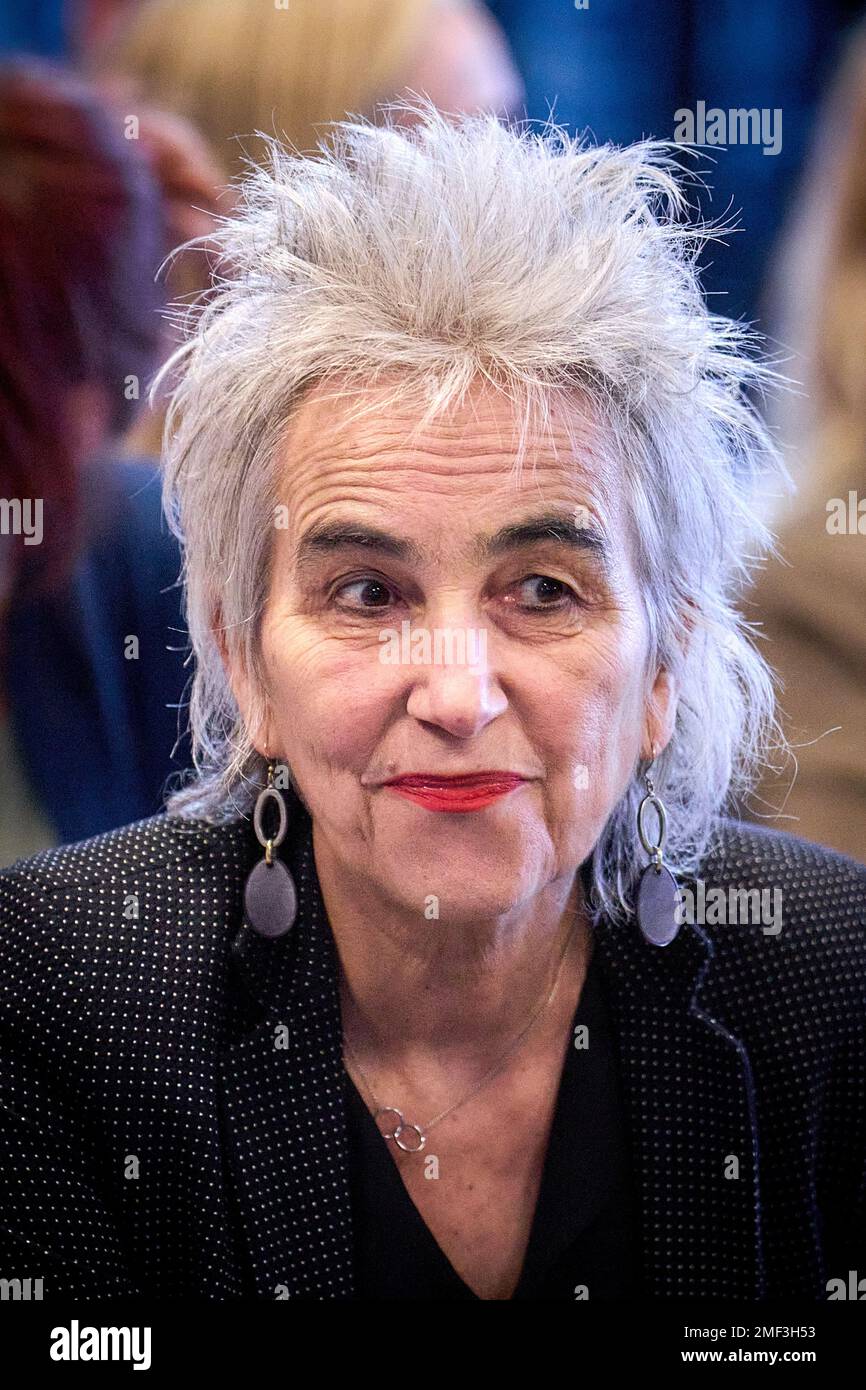
It is problematic when science is labeled as theory, as it undermines the authority of evidence-based guidance during a crisis. Marion Koopmans
This linguistic and conceptual divide can erode trust in public health authorities and complicate the implementation of necessary safety measures, as the distinction between a scientific theory—a well-substantiated explanation—and a casual “hunch” is often lost in public discourse.
Looking Ahead
The overarching message from Koopmans is one of necessary adaptation. To avoid the pitfalls of previous outbreaks, the Netherlands must strengthen its surveillance systems and foster a more resilient relationship between scientific research and government policy. The goal is to ensure that when the next virus emerges, the response is guided by established protocols rather than improvised reactions.
