
Manchester United secures 100,000-seat stadium site, accelerating plans for Old Trafford’s successor—a project that could redefine English football’s infrastructure and the club’s long-term ambitions.
After years of speculation and planning, Manchester United has officially locked in the land for its new stadium—a 100,000-seat venue set to replace Old Trafford as the club’s permanent home. According to local media reports, the acquisition marks a critical milestone in the club’s push to modernize its facilities, with construction expected to begin shortly. The new stadium, dubbed the “Wembley of the North” by some outlets, would surpass Tottenham Hotspur’s Tottenham Hotspur Stadium as the largest in England, aligning with United’s ambition to compete at the highest global level.
Why This Matters for Manchester United’s Future
The new stadium isn’t just about capacity—it’s a strategic move to address long-standing concerns over Old Trafford’s safety and compliance. According to the club’s statement, renovations to the current ground have been underway to meet modern standards, but the long-term solution lies in a fresh build. The 100,000-seat figure, confirmed by multiple sources, would make it the largest club stadium in the UK, reinforcing Manchester United’s status as a footballing giant.
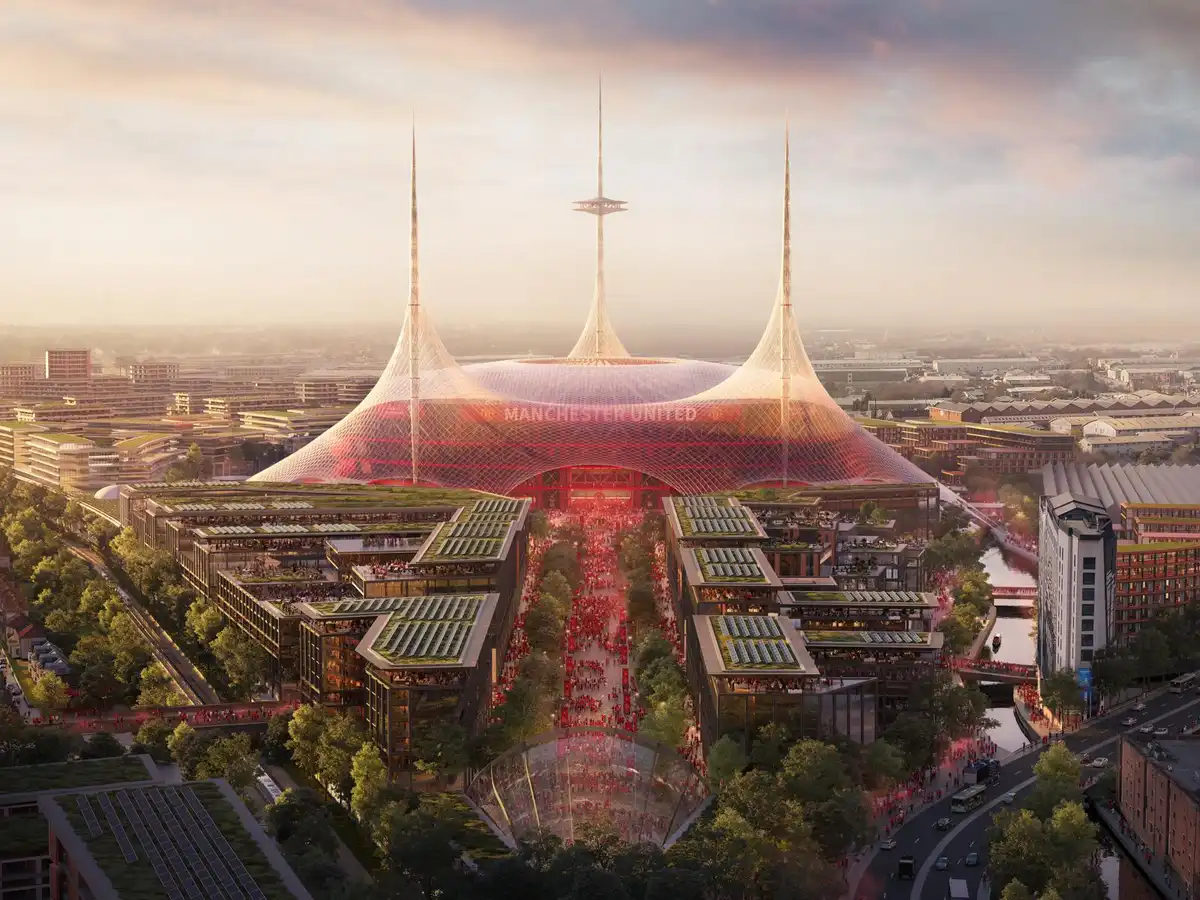
This development comes as the club navigates a period of transition under new ownership and management. While no direct link to on-field performance has been made, the stadium’s completion timeline—expected within the next five to seven years—could coincide with a potential resurgence in the team’s fortunes. The project also carries financial implications, with estimates suggesting costs could exceed £750 million, though exact figures remain unconfirmed.
How the Project Compares to Past Stadium Ambitions
Manchester United’s pursuit of a new stadium isn’t new. Plans for a larger, more modern venue have been discussed since the early 2000s, but delays and financial considerations have repeatedly pushed timelines back. The current acquisition contrasts sharply with earlier proposals, which often floated figures closer to 80,000 seats. According to Goal.com, the 100,000-seat target reflects both the club’s global ambitions and the growing demand for high-capacity stadiums in European football.

In comparison, rivals like Liverpool and Manchester City have already upgraded their stadiums—Anfield’s £100 million expansion and the Etihad’s £300 million renovation—positioning United as the last major Premier League club to undertake such a transformation. The delay has left some questioning whether the new stadium will arrive in time to impact the 2026 World Cup, though officials have not confirmed any direct ties to that event.
What Happens Next: Construction and Beyond
With the land secured, Manchester United’s next steps involve finalizing architectural plans and securing necessary approvals. According to the club, construction is expected to begin within the next 12 months, with an eye toward opening the new venue by 2030. The project will likely proceed in phases, ensuring minimal disruption to Old Trafford’s operations during the transition.
The new stadium’s location—adjacent to the existing site—has been a point of discussion among fans and local authorities. While some have raised concerns about traffic and infrastructure, the club has emphasized its commitment to sustainable development, including plans for improved public transport links. The final design is expected to incorporate modern amenities, including expanded hospitality areas and enhanced fan experiences, aligning with contemporary stadium standards.
A Legacy in the Making
Beyond the immediate logistical challenges, the new stadium represents a symbolic moment for Manchester United. As one of the world’s most storied clubs, the move to a larger, more modern venue underscores its determination to remain at the forefront of global football. For fans, the project is a promise of progress—a tangible step toward securing the club’s future in an era where infrastructure often dictates success.
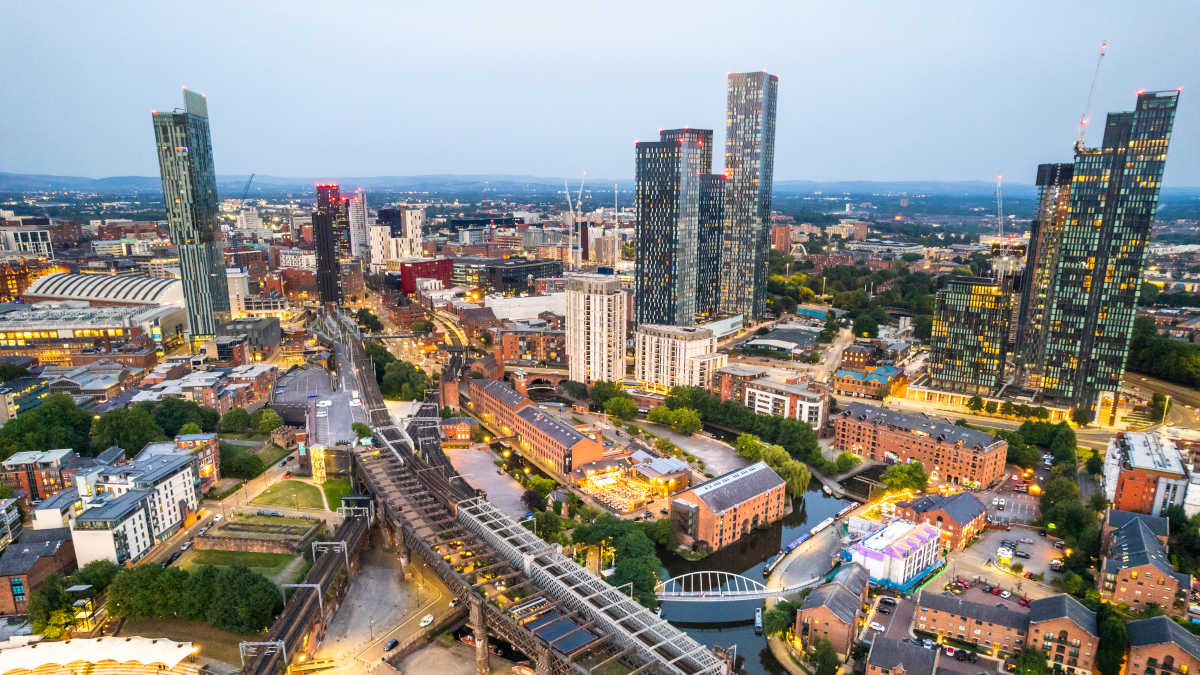
With construction on the horizon, all eyes are now on Manchester United to deliver on this vision, ensuring that the “Wembley of the North” lives up to its name.
