Ukraine’s path to European Union membership faces internal friction as member states prioritize national interests and strategic unity. Recent developments include the removal of Ukraine-related language from a joint EU statement by Péter Magyar and a new strategic focus on dismantling Russia’s war capabilities, according to local media reports.
- Strategic Goal: A new directive aims to break the Russian war machine in Ukraine.
- Diplomatic Friction: Péter Magyar removed specific Ukraine references from a joint EU statement.
- Accession Hurdles: At least one EU member state has signaled it will “protect its interests” regarding Ukraine’s entry.
- Political Context: Reports suggest EU unity on Ukraine remains incomplete without the alignment of Viktor Orbán.
How is the EU attempting to break the Russian war machine?
European officials have reached a strategic decision on the methodology required to dismantle Russia’s military capabilities in Ukraine, according to reports from Portfolio.hu. While the specific tactical details of the plan were not disclosed, the objective is focused on breaking the momentum and sustainability of the Russian war machine to shift the conflict’s trajectory.

What obstacles are hindering Ukraine’s EU accession?
President Volodymyr Zelenskyy has encountered immediate resistance from at least one EU member state regarding Ukraine’s accession process. According to reports from Világgazdaság, the member state explicitly stated, We will protect our interests
, indicating that national economic or political concerns may slow the integration process despite the speed of initial diplomatic movements.
Why is Hungarian political alignment critical for EU unity?
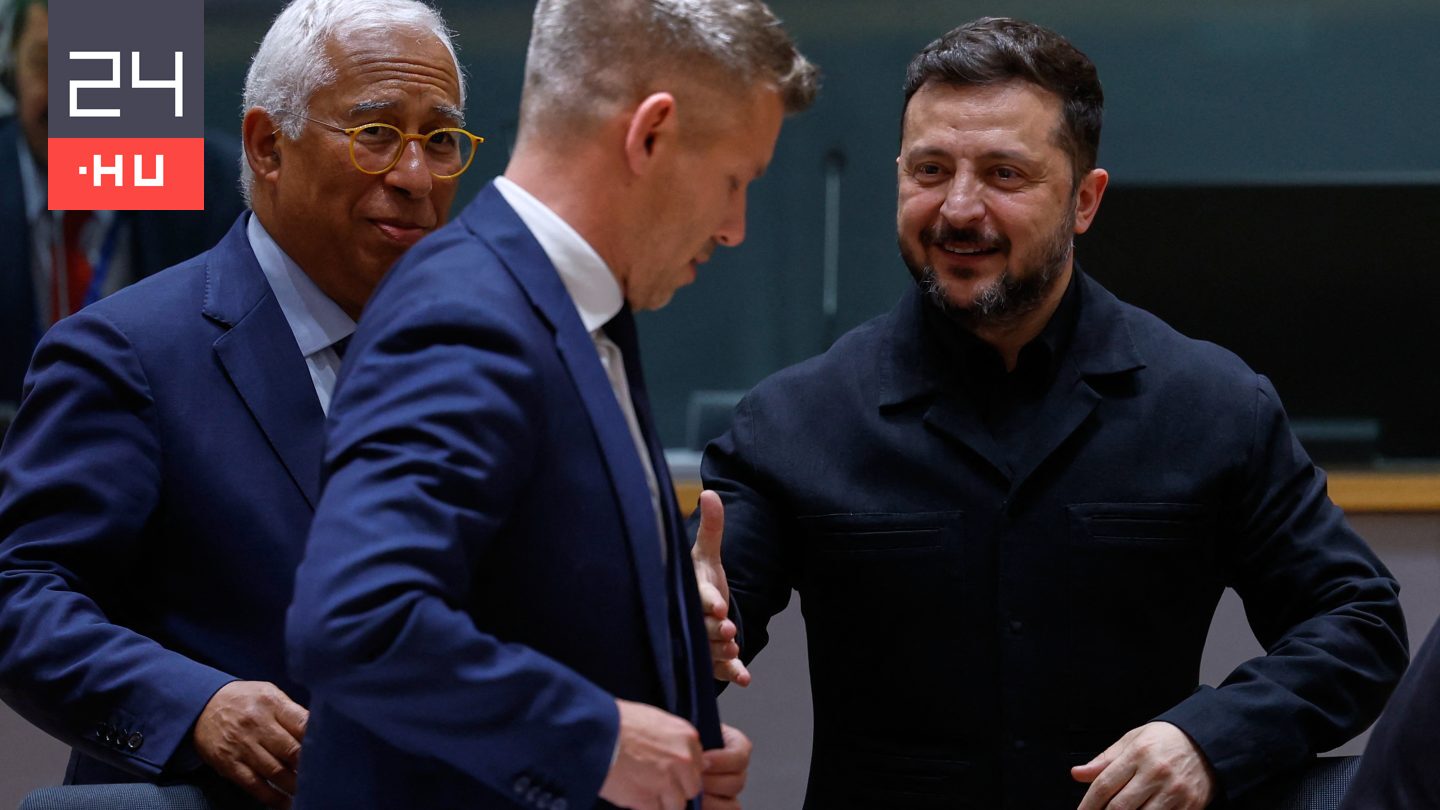
Internal diplomatic tensions have surfaced within the bloc, highlighted by the actions of Péter Magyar, who removed a section concerning Ukraine from a joint EU statement, according to 24.hu. This move underscores the fragile nature of the union’s consensus on the conflict.
Further complicating these dynamics is the role of Prime Minister Viktor Orbán. According to Népszava, EU unity regarding Ukraine is viewed as incomplete without Orbán’s alignment, suggesting that Hungary’s position remains a central pivot point for the bloc’s collective foreign policy toward Kyiv and Moscow.
