The First Glimpse of the Hidden Moon: How the Soviet Luna 3 Probe Captured the Far Side in 1959
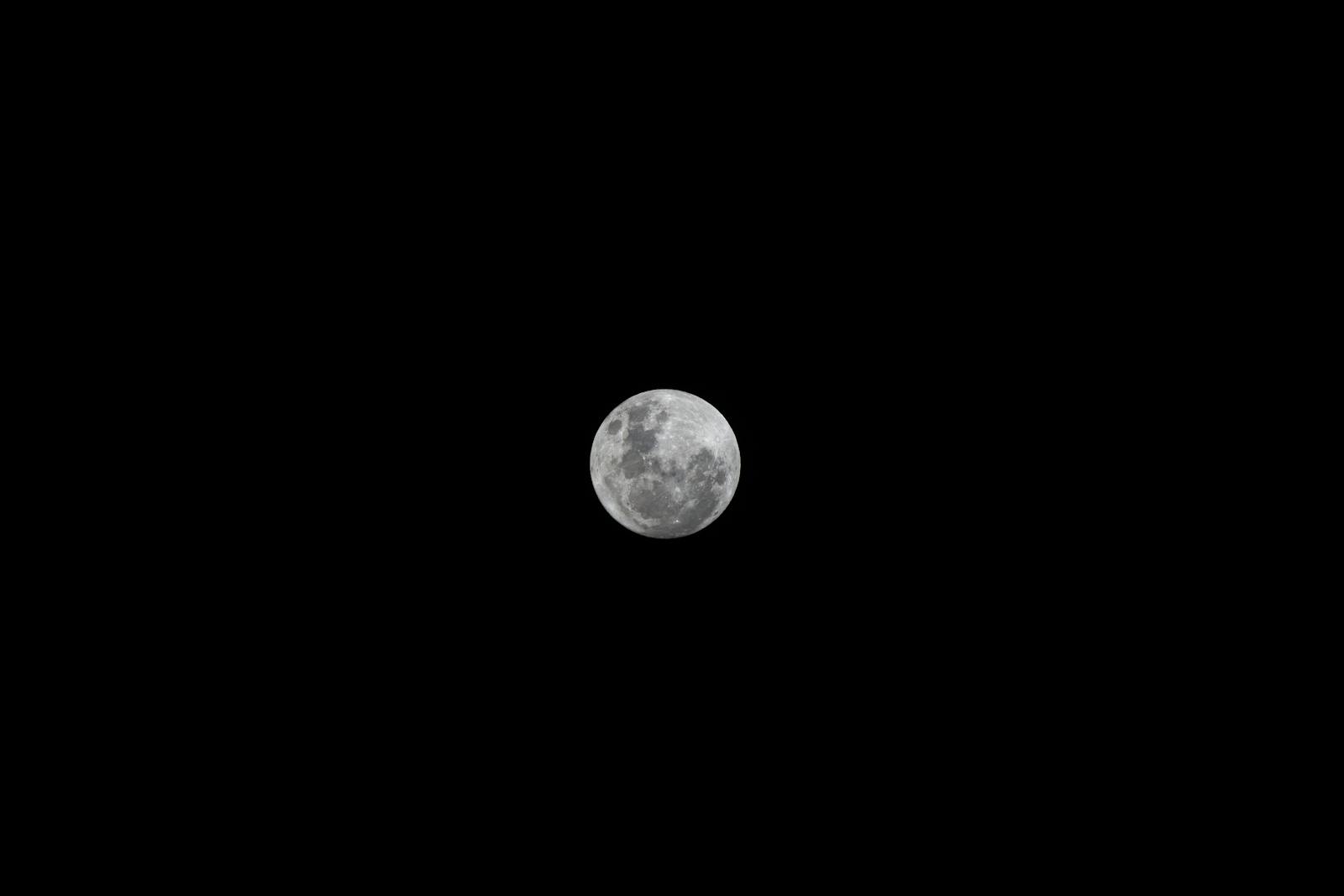
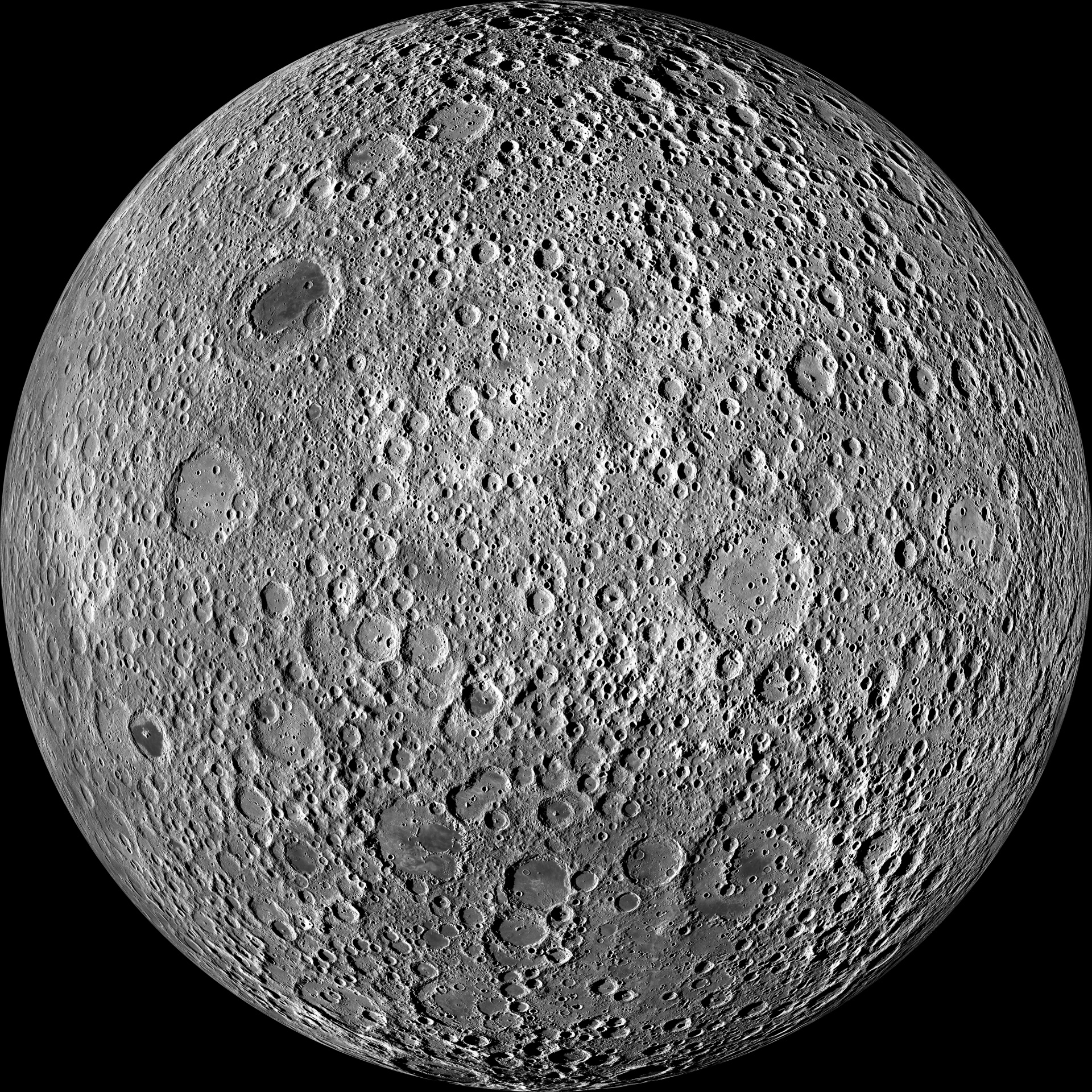
In 1959, the Soviet Luna 3 probe swung around the far side of the Moon and took 29 grainy photographs of a hemisphere humans had never seen, then developed the film onboard and scanned the negatives with a flying-spot beam to radio them back across. This achievement marked the first time humanity witnessed the lunar surface that remains permanently turned away from Earth, transforming our understanding of the Moon’s physical composition and breaking a millennia-old visual barrier.
How the Luna 3 Probe Captured the Moon’s Far Side
The mission of Luna 3 was defined by a singular, daring objective: to photograph the side of the Moon that is never visible from the ground. Because the Moon is tidally locked to Earth, only one hemisphere is ever exposed to terrestrial observers. To overcome this, the Soviet probe had to execute a precise trajectory that allowed it to “swing around” the lunar limb, entering the space behind the satellite to bring the far side into view.
Once the probe reached the optimal position, it captured a series of 29 photographs. These images were not digital—digital imaging did not exist in 1959—but were captured on traditional photographic film. The resulting images were described as “grainy,” a reflection of the primitive sensor technology and the extreme conditions of deep space photography during the early Space Age.
- The Trajectory: A flyby maneuver designed to expose the hidden hemisphere.
- The Volume: A total of 29 individual photographs.
- The Visuals: Low-resolution, grainy imagery that provided the first evidence of the far side’s topography.
The Technical Challenge of Onboard Film Development
Capturing the images was only the first hurdle. In 1959, there was no way to transmit a high-resolution image file via radio. The Luna 3 probe essentially had to function as a miniature, automated darkroom floating in the vacuum of space. This required a sophisticated sequence of chemical processes to occur without human intervention.
After the 29 photographs were taken, the probe developed the film onboard. This process involved moving the exposed film through a series of chemical baths to create negatives. The engineering required to manage liquid chemicals in a zero-gravity environment was a significant leap in aerospace technology, ensuring that the film was properly fixed and dried before the next stage of the mission began.
The ability to develop photographic film in the void of space was a prerequisite for the mission’s success, as it turned a physical piece of film into a scannable negative.
Understanding the Flying-Spot Beam Transmission System
The most innovative aspect of the Luna 3 mission was how it solved the problem of getting physical images back to Earth. Since the film could not be returned, the Soviets utilized a “flying-spot beam” scanner. This system acted as a bridge between analog film and radio transmission.
The flying-spot beam worked by projecting a narrow, concentrated beam of light onto the developed negative. As the beam scanned across the film, it measured the amount of light passing through the negative—which varied based on the density of the image. This light intensity was then converted into an electrical signal, which was modulated and radioed back to Earth.
This method was essentially a precursor to modern scanning technology. By converting the visual density of the film into a stream of radio data, the Soviet team could reconstruct the 29 grainy photographs on the ground, effectively “printing” the images from a signal sent across the void of space.
| Process Step | Technology Used | Outcome |
|---|---|---|
| Image Capture | Analog Camera | 29 exposed film frames |
| Processing | Onboard Chemical Lab | Developed negatives |
| Digitization | Flying-Spot Beam | Electrical signal conversion |
| Delivery | Radio Transmitter | Images received on Earth |
Why 29 Grainy Photographs Changed Lunar Science
While the images were grainy, their scientific value was immense. For the first time, astronomers could compare the near side of the Moon with the far side. The discovery that the two hemispheres were not identical provided critical data for theories regarding the Moon’s formation and its geological history.
The far side lacked the large, dark basaltic plains (known as maria) that characterize much of the near side. This stark contrast suggested that the distribution of volcanic activity and crustal thickness was uneven across the lunar surface. These 29 photographs provided the first empirical evidence that the Moon was a more complex body than previously assumed.
The mission also demonstrated the viability of automated deep-space probes. The success of the “swing around” maneuver and the onboard processing proved that complex scientific tasks could be performed by machines far from Earth, paving the way for future lunar and planetary exploration.
Common Misconceptions About the “Dark Side” of the Moon
A frequent point of confusion is the term “dark side of the Moon.” As demonstrated by the Luna 3 mission, the far side is not permanently dark. It receives just as much sunlight as the near side; it is simply “dark” in terms of our visibility. The Luna 3 probe was able to take photographs specifically because the far side was illuminated by the sun during its flyby.

Another misconception is that the images were “sent” as photos. In reality, they were sent as a series of radio pulses that represented the light and dark areas of the film. The “photo” was a reconstruction of those pulses on Earth.
The Legacy of the Luna 3 Mission
The technical sequence—capture, develop, scan, and transmit—established a blueprint for early robotic exploration. By integrating a laboratory and a transmitter into a single probe, the Soviet Union pushed the boundaries of what was possible in 1959. The mission’s reliance on the flying-spot beam highlights the ingenuity required to bridge the gap between the analog world of chemistry and the electronic world of radio.
The images captured by Luna 3 remained the primary record of the lunar far side for years, serving as a foundational reference for every subsequent lunar mission. The “grainy” nature of the images did not diminish their impact; rather, it underscored the sheer difficulty of the feat. To see a hemisphere that no human eye had ever beheld was a triumph of both mathematics and engineering.
For those interested in how these early missions evolved into modern space travel, a related explainer on robotic space probes provides further context on the transition from analog to digital exploration.
Frequently Asked Questions
What was the purpose of the Luna 3 probe?
The primary goal of the Luna 3 probe was to photograph the far side of the Moon, a region that is never visible from Earth due to the Moon’s tidal locking. It aimed to provide the first visual data on the topography and composition of this hidden hemisphere.
How did Luna 3 send photos back to Earth without digital cameras?
The probe used a complex analog-to-radio process. It took photographs on film, developed those photos in an onboard chemical lab, and then used a “flying-spot beam” scanner to convert the negatives into radio signals that could be transmitted to Earth and reconstructed into images.
Why are the Luna 3 photographs described as “grainy”?
The graininess was a result of the early photographic film used, the limitations of the onboard development process in space, and the low bandwidth of the radio transmission used to send the data back to Earth in 1959.
Did Luna 3 land on the Moon?
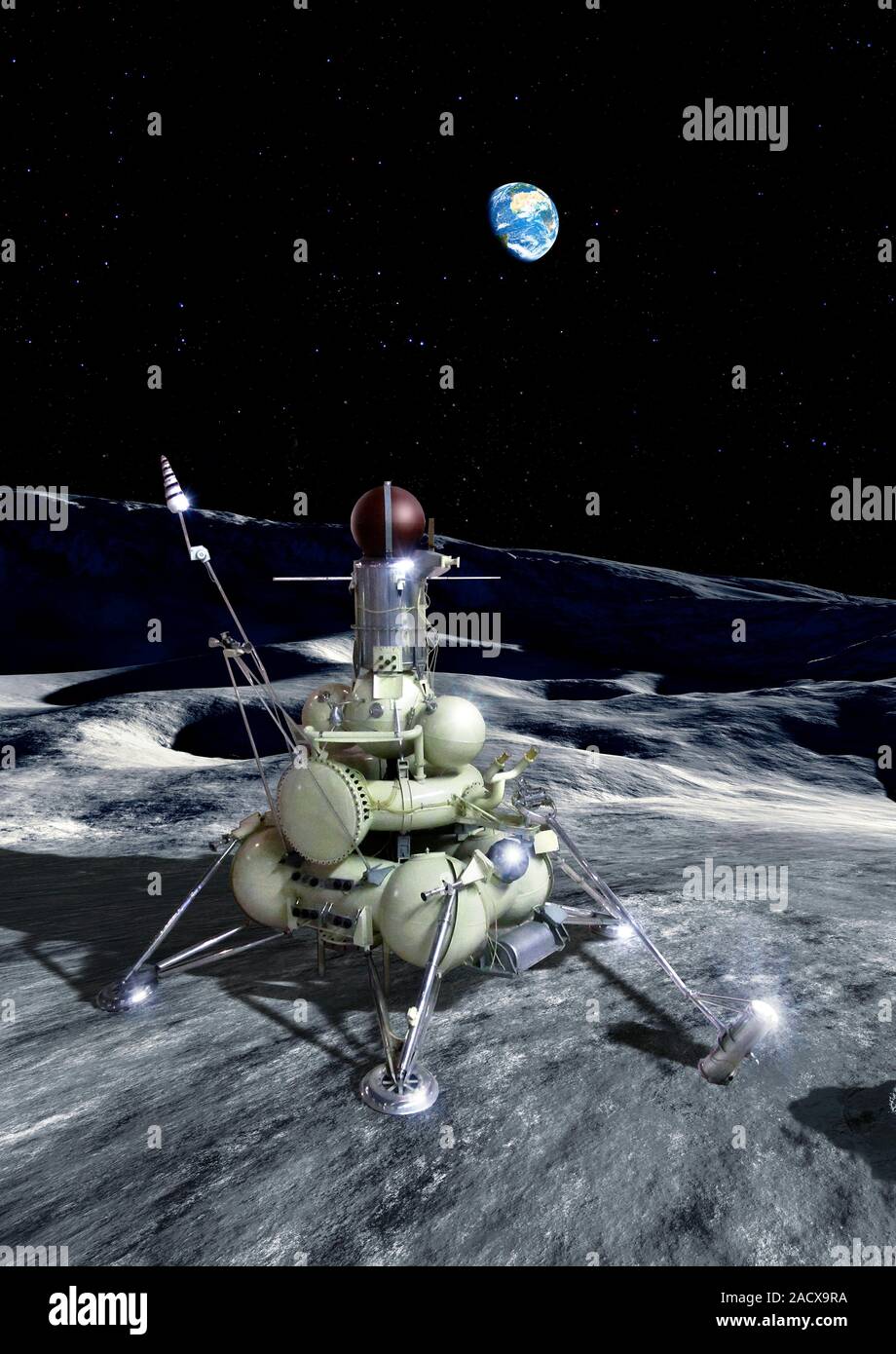
No, Luna 3 did not land. It performed a flyby mission, “swinging around” the far side of the Moon to capture images before continuing its trajectory.
How many photos did the mission successfully capture?
The Soviet Luna 3 probe took a total of 29 photographs of the lunar far side.
