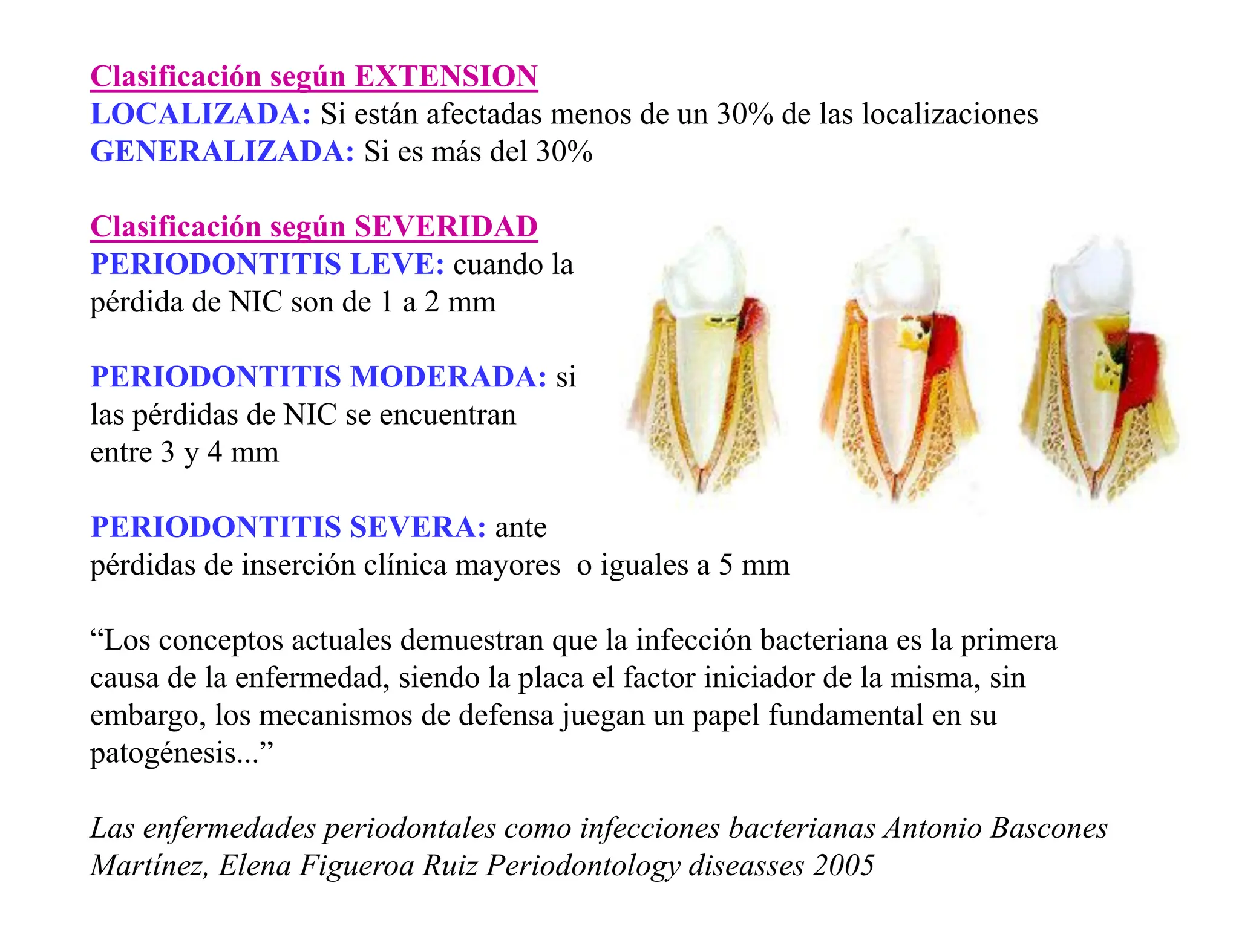
Periodontitis is an inflammatory condition that destroys the supporting tissues and alveolar bone of the teeth, potentially leading to tooth loss. According to a clinical review in Gaceta Dental, the disease progresses from a bacterial biofilm trigger to a destructive host immune response, distinguishing it from the reversible inflammation of gingivitis.
- Irreversibility: Unlike gingivitis, periodontitis involves the permanent loss of connective tissue and bone.
- The Biofilm Trigger: The disease begins with a microbial community (biofilm) adhering to the tooth surface.
- Host Response: Tissue destruction is driven by the body’s own inflammatory reaction to bacteria, rather than the bacteria alone.
- Classification: Modern diagnosis relies on “staging” for severity and “grading” for the rate of progression.
How Periodontitis Differs from Gingivitis
The primary distinction between these two conditions is the level of tissue destruction. According to the Gaceta Dental review, gingivitis is a reversible inflammation limited to the gingiva, or the soft gum tissue. It does not result in the loss of the structures that hold the tooth in place.
Periodontitis, however, represents a more advanced stage of disease. It is characterized by the loss of the periodontal ligament and the alveolar bone. This process creates “periodontal pockets,” which are gaps between the tooth and the gum that allow more bacteria to accumulate, further accelerating the damage. Once this attachment loss occurs, the authors state it is irreversible.
The Role of Biofilms and Immune Response
The disease does not start with a single bacterium but with a biofilm. The review defines a biofilm as a structured community of microorganisms that adhere to a surface and are enclosed in a self-produced matrix. This structure protects the bacteria from the host’s immune system and external antimicrobial agents.
While the biofilm triggers the process, the actual destruction of the bone and tissue is caused by the patient’s own body. According to the research, the host’s inflammatory response to these bacteria leads to the breakdown of the periodontal tissues. This means the severity of the disease depends not only on the amount of bacteria present but also on how the individual’s immune system reacts to those microbes.
What Factors Increase the Risk of Progression?
Not every person with gingivitis develops periodontitis. The review identifies several modifiers that can accelerate the destruction of the supporting bone:
- Smoking: Tobacco use significantly worsens the inflammatory response and hinders healing.
- Diabetes: Poorly controlled blood glucose levels can increase the severity of the infection and the body’s inflammatory reaction.
- Genetics: Some individuals possess a genetic predisposition that makes their tissues more susceptible to breakdown.
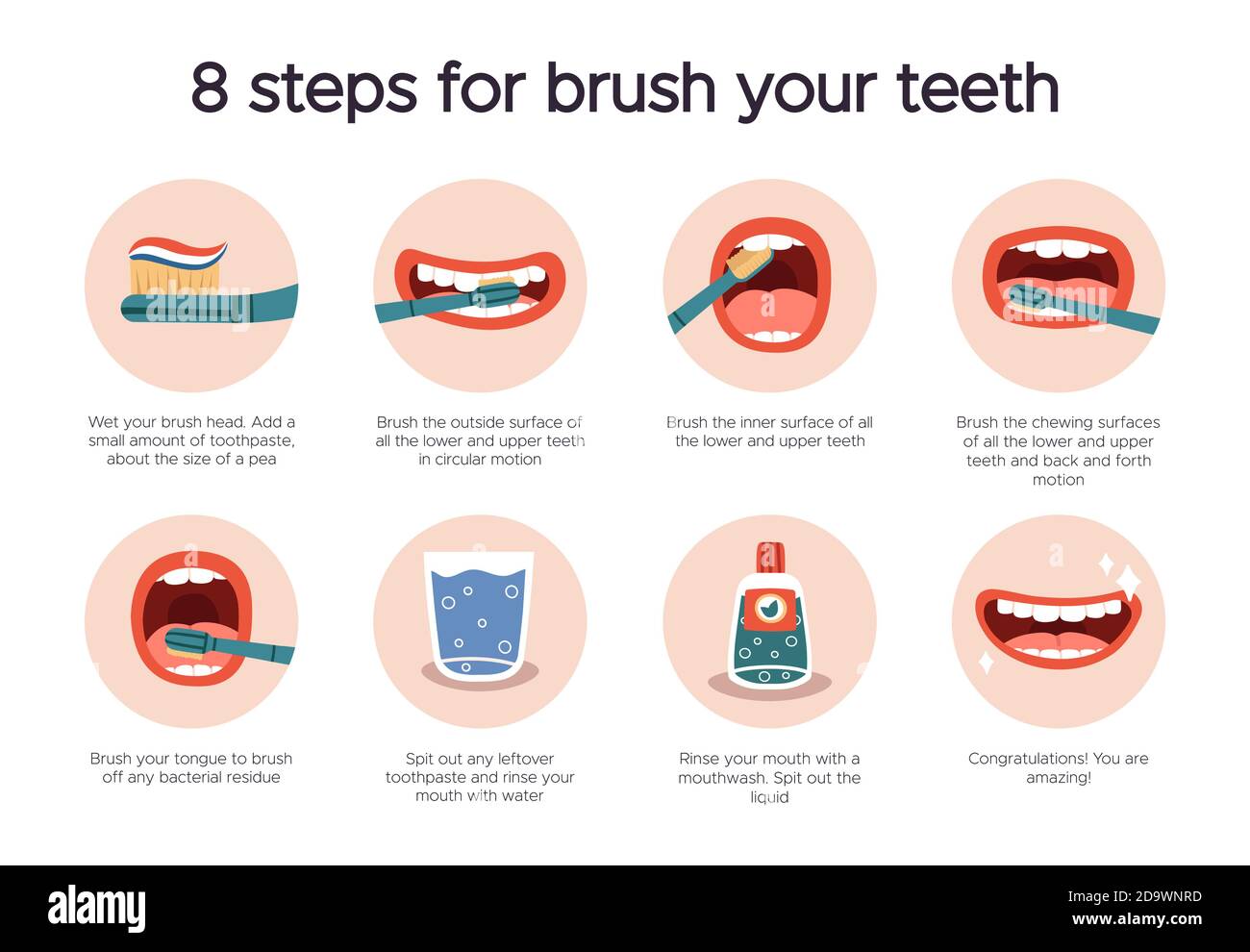
- Oral Hygiene: The failure to remove biofilms through brushing and flossing provides the necessary environment for the disease to advance.
How Clinicians Classify the Disease
To standardize treatment, health professionals use a system of staging and grading. According to the source, this allows for a more precise prognosis and treatment plan.
Staging refers to the severity and complexity of the disease. It measures how much attachment has been lost and the extent of the bone destruction. Grading focuses on the rate of progression, estimating how quickly the disease is moving based on the patient’s health history and risk factors, such as smoking or diabetes status.
