
Liverpool Reject £21.7m Inter Milan Offer for Jones – BBC and Transfer Update
Liverpool has rejected a transfer bid from Inter Milan for midfielder Curtis Jones, according to multiple reports. While the BBC reports the rejected offer stood at £21.7 million, other outlets cite figures ranging from £20 million to €25 million. Liverpool officials have indicated the offer falls significantly below the club’s internal valuation of the player.
What was the specific offer Inter Milan made for Curtis Jones?
Reports on the exact financial terms of the bid vary across major news outlets, suggesting a series of negotiations or differing reporting of the currency conversion. The BBC reports that Liverpool reject £21.7m Inter Milan offer for Jones – BBC as the primary figure. However, Sky Sports and The Times both reported the figure as £21 million.
In a different currency valuation, The Athletic and The New York Times reported that the offer from the Italian giants was €25 million. When converted to British pounds, €25 million typically aligns closely with the £21 million to £22 million range, depending on the exchange rate used at the time of the transaction. The Telegraph provided a lower figure, stating that Liverpool abandoned talks with Inter Milan centered around a £20 million valuation.
The discrepancy in these figures highlights the fluid nature of transfer negotiations, where initial inquiries often differ from formal written bids. To clarify the reported figures across the media landscape, the following table summarizes the claims:
| Source | Reported Offer Amount | Status/Detail |
|---|---|---|
| BBC | £21.7 million | Rejected |
| Sky Sports | £21 million | “Considerably short” of valuation |
| The Athletic / NYT | €25 million | Rejected |
| The Times | £21 million | Second offer rebuffed |
| The Telegraph | £20 million | Talks abandoned |
Why did Liverpool reject the Inter Milan bid for Curtis Jones?
Liverpool rejected the offer because the amount provided did not meet the club’s asking price. According to Sky Sports, the £21 million proposal fell “considerably short” of the valuation Liverpool has placed on the midfielder. This suggests that the club views Jones as a core part of their squad or believes his market value is significantly higher than the low-to-mid £20 million range.
The rejection of a second offer, as reported by The Times, indicates that Inter Milan attempted to increase their bid or refine their terms, but still failed to reach the threshold required by the Merseyside club. When a club describes an offer as “considerably short,” it typically signals that they are not open to minor incremental increases and would require a substantial jump in the fee to consider a sale.
Several factors likely contribute to this firm stance:
- Squad Depth: The need for reliable midfield options during a demanding season.
- Homegrown Status: The value of players developed within the club’s own academy.
- Player Performance: Jones’s recent contributions to the first team, which may have inflated his perceived value beyond the initial reports.
How did the negotiations between Liverpool and Inter Milan unfold?
The process appears to have moved through several stages of formality. According to The Telegraph, the two clubs initially engaged in talks involving a £20 million figure, but those discussions were eventually abandoned. This suggests an early attempt to find common ground that failed before a formal bid was even solidified.
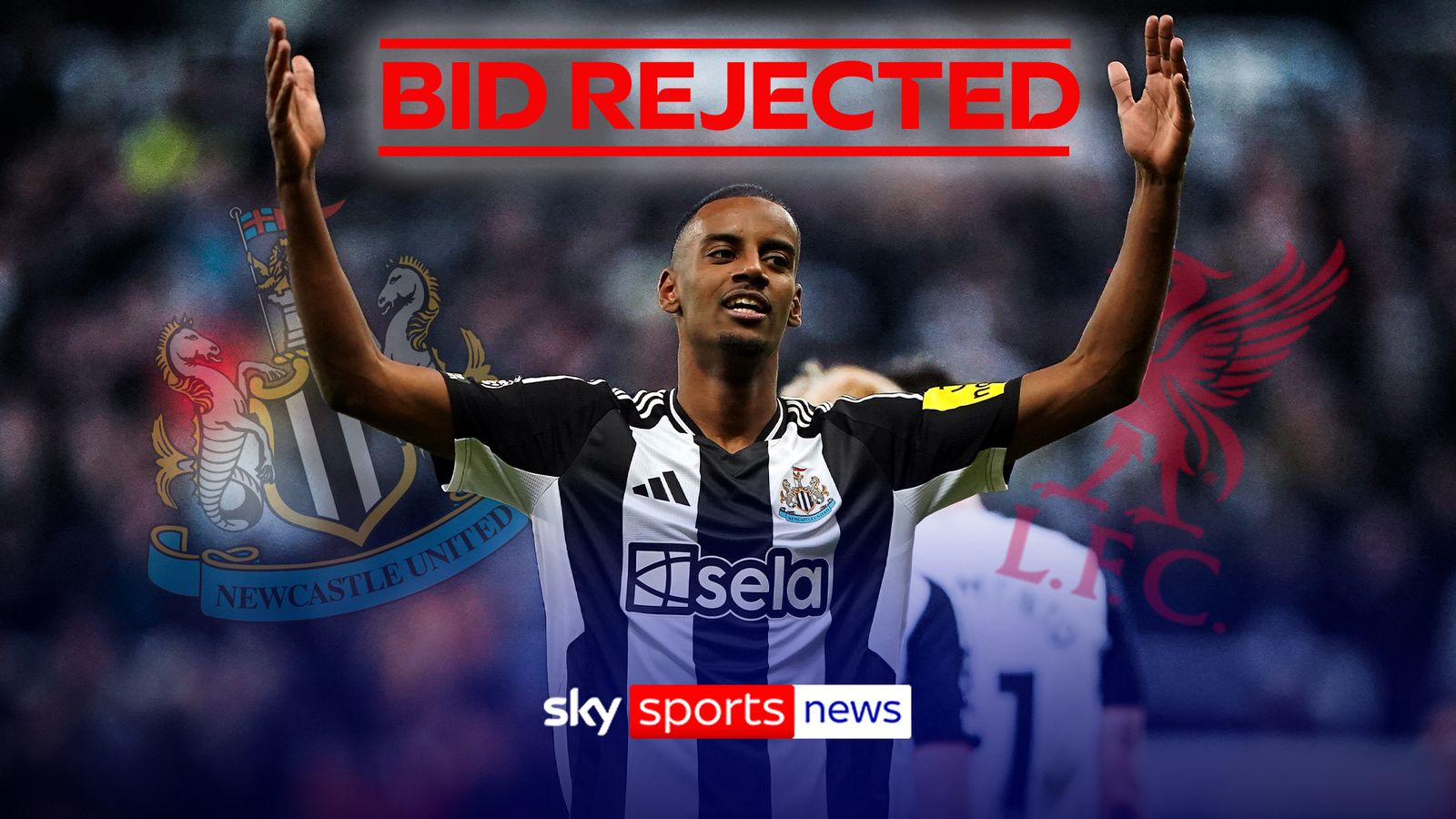
Following the collapse of those initial talks, Inter Milan transitioned to formal offers. The Times reports that Inter Milan submitted a second offer of £21 million, which Liverpool rebuffed. This pattern shows a persistence from the Italian side, attempting to nudge the price upward, while Liverpool maintained a rigid valuation.
The transition from “talks” to “offers” is a key distinction in football transfers. Talks are often exploratory, whereas an official bid is a legal document submitted to the selling club. The fact that Liverpool rejected multiple iterations of the offer suggests the gap between the two clubs’ valuations was too wide to bridge through standard negotiation.
Who is Curtis Jones and why is Inter Milan interested?
Curtis Jones is a product of the Liverpool academy and has established himself as a versatile presence in the midfield. His ability to retain possession under pressure and his familiarity with the club’s tactical systems make him a valuable asset. Inter Milan’s interest stems from their ongoing effort to reshape their midfield with technically proficient players who can operate in both defensive and creative roles.
Inter Milan often targets players who possess high tactical intelligence and the ability to compete in high-intensity leagues. Jones’s experience in the Premier League and the Champions League makes him an attractive target for a club that consistently competes for the Serie A title and deep runs in European competition.
For the player, a move to Italy would represent a significant change in environment and a chance to be a primary protagonist in a different tactical system. However, the current situation indicates that the decision rests with the club’s valuation rather than the player’s desire to move.
What are the implications of this rejected transfer bid?
The rejection of the Inter Milan bid sends a clear signal to the rest of the market regarding Liverpool’s valuation of their academy graduates. By dismissing an offer in the region of £21 million to £22 million as “considerably short,” Liverpool is establishing a high price floor for any future inquiries.
Short-term implications include:
- Squad Stability: The midfield remains intact, avoiding the need for an emergency replacement.
- Player Confidence: The club’s public refusal to sell can be interpreted as a vote of confidence in Jones’s importance to the team.
- Market Positioning: Other clubs now know that a bid in the £20m-£25m range is unlikely to succeed.
Long-term, this development may affect how Inter Milan pursues other targets. Having failed to secure Jones, the Italian club may have to pivot toward other midfielders or increase their budget significantly if they remain determined to sign the English player. For Liverpool, keeping a homegrown player who understands the club’s culture is often viewed as more valuable than a mid-range transfer fee.
“Liverpool reject £21m Curtis Jones offer from Inter Milan which falls ‘considerably short’ of valuation.” — Sky Sports
How does this compare to other recent Liverpool transfers?
Liverpool’s approach to this bid reflects a broader trend of the club being selective about selling established first-team players. In recent windows, the club has moved away from the “sell-to-buy” model, preferring to retain key assets unless a “premium” fee is offered—one that far exceeds the standard market value.

Comparing the reported £21.7 million offer to other midfield transfers in the current market shows why Liverpool may find the figure insufficient. Midfielders with Premier League experience and a proven track record in elite competitions often command fees upwards of £40 million to £60 million. By viewing £21 million as “considerably short,” Liverpool is aligning Jones’s value with the current inflation of the transfer market rather than historical prices.
This strategy mirrors the club’s handling of other academy products, where the “homegrown” premium is added to the base valuation. The cost of replacing a player with Jones’s specific profile and loyalty to the club often outweighs the immediate financial gain of a £21 million sale.
Common Misconceptions About the Curtis Jones Transfer Saga
There are several points of confusion regarding this story that require clarification based on the available reports.
Is the bid still active?
Based on reports from The Times and The Telegraph, the bids have been rebuffed and talks have been abandoned. While Inter Milan could theoretically return with a higher offer, the current status is a rejection.
Was there a disagreement between the player and the club?
None of the sources—BBC, Sky Sports, The Athletic, or The Times—mention any unrest or a “transfer request” from Curtis Jones. The tension in this story is purely financial, existing between the two clubs’ differing valuations of the player.
Why are the numbers different across news sites?
This is common in football reporting. Some outlets report the “initial” inquiry (The Telegraph’s £20m), some report the “formal” bid (The Times’ £21m), and some report the figure in Euros (€25m) as provided by the buying club. The BBC’s £21.7m figure likely represents a specific conversion or a precise bid amount not rounded by other outlets.
Frequently Asked Questions
Did Liverpool reject the £21.7m offer for Curtis Jones?
Yes, according to the BBC, Liverpool rejected a £21.7 million offer from Inter Milan. Other sources, such as Sky Sports and The Times, report the figure as £21 million.
Which club tried to sign Curtis Jones?
Inter Milan, the Italian Serie A club, made the offers for the midfielder.

Why was the offer considered “considerably short”?
According to Sky Sports, the offer was far below Liverpool’s internal valuation of the player, suggesting the club expects a much higher fee to consider a sale.
How many offers did Inter Milan make?
The Times reports that Inter Milan made at least two offers, with the second being for £21 million, both of which were rebuffed by Liverpool.
Is Curtis Jones leaving Liverpool?
There is currently no indication that Jones is leaving. Liverpool has rejected multiple bids and abandoned talks with Inter Milan, indicating their intention to keep the player.
For more information on the current squad dynamics, you may find a related explainer on Liverpool’s midfield rotation useful to understand why Jones is considered indispensable at this time.
The situation remains a stalemate between the two clubs. With the valuation gap remaining wide, the most likely outcome is that Curtis Jones remains at Anfield, while Inter Milan looks for alternative options to bolster their squad for the upcoming campaign.
