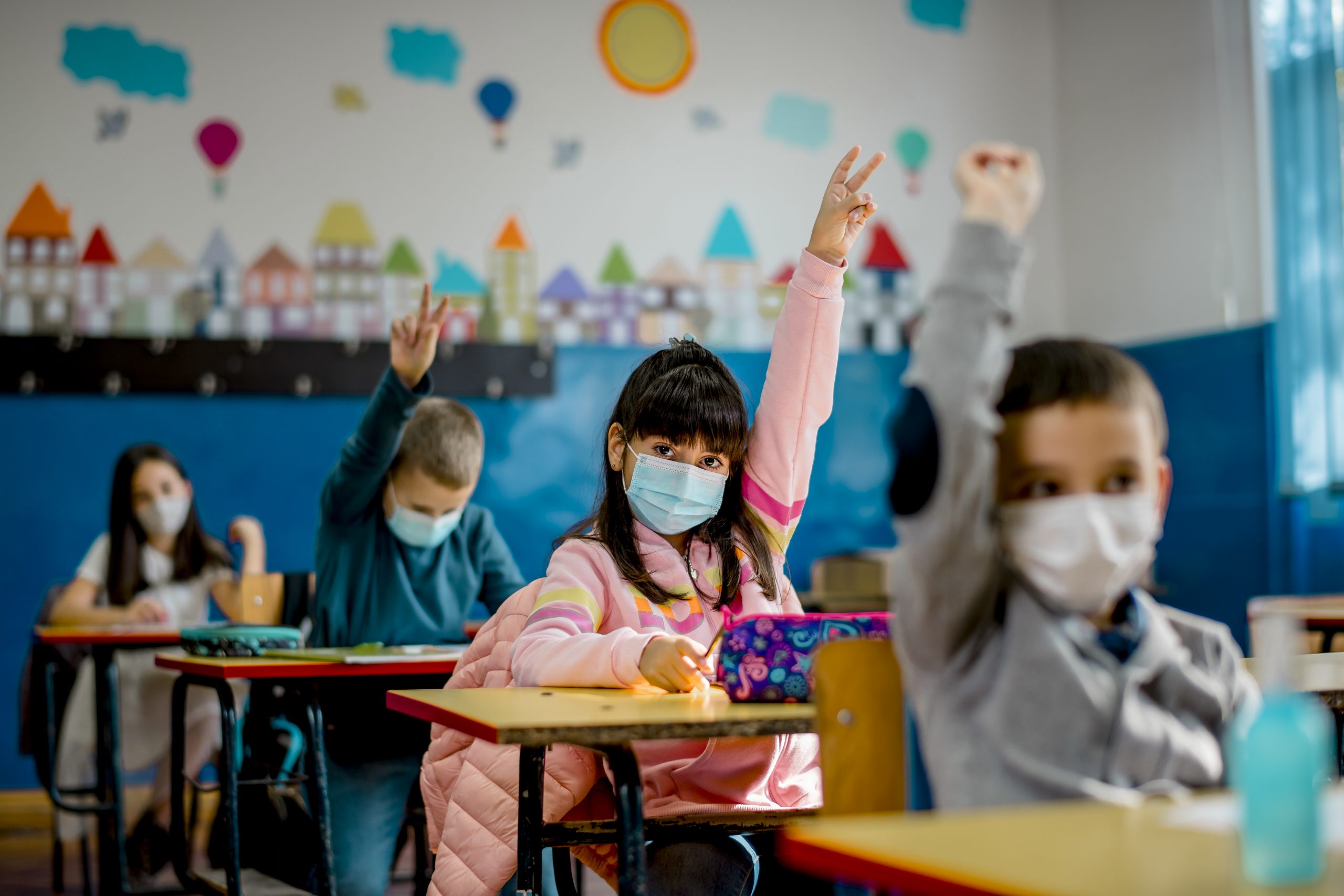
Dutch education officials and advocates are demanding a permanent policy shift to keep schools open during future pandemics, citing “unforgivable” damage to children during the COVID-19 crisis, according to reports from local media outlets including NRC and AD.nl.
The calls for reform follow a series of hearings and public statements regarding the long-term social and educational deficits created by school closures. The consensus among several key figures is that the cost to students outweighed the benefits of the lockdowns.
Why critics call the school closures “unforgivable”
The debate over the pandemic’s impact on youth has shifted from immediate health concerns to the long-term “price” paid by the student population. Rosenmöller, representing the VO-raad (Council for Secondary Education), stated that the cost for students during the pandemic was far too high, according to NOS.

This sentiment was echoed more sharply by Marianne Zwagerman, who described the treatment of children during the corona crisis as “unforgivable,” according to De Telegraaf. The criticism centers on the loss of critical developmental milestones and the degradation of educational quality during remote learning periods.
The price for students was during corona much too high.
Rosenmöller, VO-raad
The divide between school directors and the Ombudsman
While there is broad agreement that the outcomes were suboptimal, there is a sharp divide over who bears responsibility for the policy failures. The Children’s Ombudsman has been a vocal critic of the government’s handling of the crisis, arguing that the interests of minors were sidelined.
However, not all education professionals agree with this assessment. School director Jack Slangen argued that the Children’s Ombudsman has been too critical of the pandemic policies, according to Trouw. This disagreement highlights a tension between the administrative oversight of children’s rights and the practical challenges faced by school leaders who had to implement government mandates on the ground.
How education policy may change for future pandemics
The primary objective emerging from these hearings is the establishment of a “never again” protocol for the Dutch education system. Reports from NRC and AD.nl indicate a strong push to ensure that education remains a priority sector that stays operational regardless of public health crises.
The economic and social implications of this shift involve moving away from blanket closures toward more targeted interventions. By keeping schools open, officials aim to prevent the massive learning gaps and mental health declines that characterized the 2020-2022 period, which critics argue created a long-term liability for the future workforce.
