
Community Rallies Behind ‘Young Hero’ Who Stepped In to Protect Woman at Dublin Train Station
A young man in Dublin has received widespread community support after intervening to protect a woman from harassment at a train station. According to reports, the youth stepped in to stop a confrontation, sparking a local movement of praise and financial contributions to reward his bravery and civic-mindedness.
What happened at the Dublin train station?
The incident occurred at a Dublin train station when a woman became the target of targeted harassment. While the specific details of the aggressor’s identity remain under investigation or undisclosed, witnesses describe a situation where a woman was being intimidated or threatened in a public boarding area. A young man, who was a bystander at the time, noticed the distress and chose to intervene physically or verbally to create a barrier between the woman and her harasser.
According to accounts of the event, the youth did not hesitate to step into the conflict, effectively neutralizing the immediate threat and ensuring the woman could move to safety. This act of “upstanding”—the opposite of the bystander effect—happened in full view of other commuters, several of whom later shared the story on social media to highlight the bravery of the young man.
Key details of the encounter include:
- Location: A high-traffic Dublin rail station.
- Action: Direct intervention by a youth to protect a female commuter.
- Outcome: The woman was shielded from further harassment and the situation was defused.
- Community Response: Rapid mobilization via social media to identify and support the youth.
Who is the ‘young hero’ and how did he intervene?
The individual, described by those who witnessed the event as a “young hero,” is a local youth whose identity has been partially shielded to protect his privacy, though his actions have become a focal point for community pride. Reports indicate that he did not act out of a desire for recognition but rather a reflexive need to protect someone in vulnerability.
Intervention in such scenarios often carries risk, particularly in crowded transit hubs where the volatility of a situation can escalate quickly. By stepping in, the young man shifted the power dynamic of the harassment, providing the woman with the necessary window to seek help or exit the area. This specific type of intervention is often cited by safety experts as the most effective way to stop street-level harassment before it turns into physical violence.
“Seeing a young person take a stand like that is a reminder that empathy and courage aren’t tied to age. He saw someone in trouble and didn’t look the other way.”
How is the Dublin community supporting the youth?
The reaction to the event transitioned quickly from local praise to organized support. Once the story reached social media, residents of Dublin and the surrounding areas began a campaign to recognize the youth’s actions. This has manifested primarily through crowdfunding and public messages of gratitude.
The community rally is not merely about financial reward but serves as a symbolic endorsement of “active citizenship.” In an era where public apathy is often criticized, the Dublin community has used this event to signal that bravery and the protection of others are highly valued traits.
The support efforts have included:
- Crowdfunding: Collections started to provide the youth with a reward or a scholarship fund.
- Social Media Advocacy: Thousands of shares across platforms to amplify the positive nature of the story.
- Local Recognition: Outreach from community leaders to ensure the youth is acknowledged for his civic contribution.
| Type of Support | Primary Goal | Impact |
|---|---|---|
| Financial Donations | Material reward for bravery | Direct monetary benefit to the youth |
| Social Media Praise | Public validation | Increased community morale and visibility |
| Civic Outreach | Institutional recognition | Reinforcement of positive social norms |
Why bystander intervention matters in public transport safety
This incident highlights a critical component of urban safety: the role of the “upstander.” For years, sociological studies have focused on the bystander effect, where individuals are less likely to offer help to a victim when other people are present. The assumption is that someone else will take responsibility.
When a person breaks this cycle, as the young man did in Dublin, it often triggers a “cascade effect.” Once one person intervenes, others who were previously hesitant often join in to help, further isolating the aggressor and securing the victim. In the context of Dublin’s train stations, where thousands of people pass through daily, the presence of active bystanders acts as a powerful deterrent against public harassment.
Experts in public safety suggest that the “5 Ds” of bystander intervention are the gold standard for these situations:
- Direct: Speaking up and addressing the harasser directly.
- Distract: Creating a diversion to interrupt the incident.
- Delegate: Finding an authority figure (like station security) to help.
- Delay: Checking in with the victim after the incident to offer support.
- Document: Recording the incident from a safe distance to provide evidence.
The youth in this case employed a combination of direct intervention and distraction, which effectively ended the threat.
What are the safety concerns at Dublin rail hubs?
While the story of the “young hero” provides a positive narrative, it also brings attention to the underlying issue of safety at Dublin’s transit points. Public transport hubs are often flashpoints for anti-social behavior due to high foot traffic and the anonymity provided by crowds.
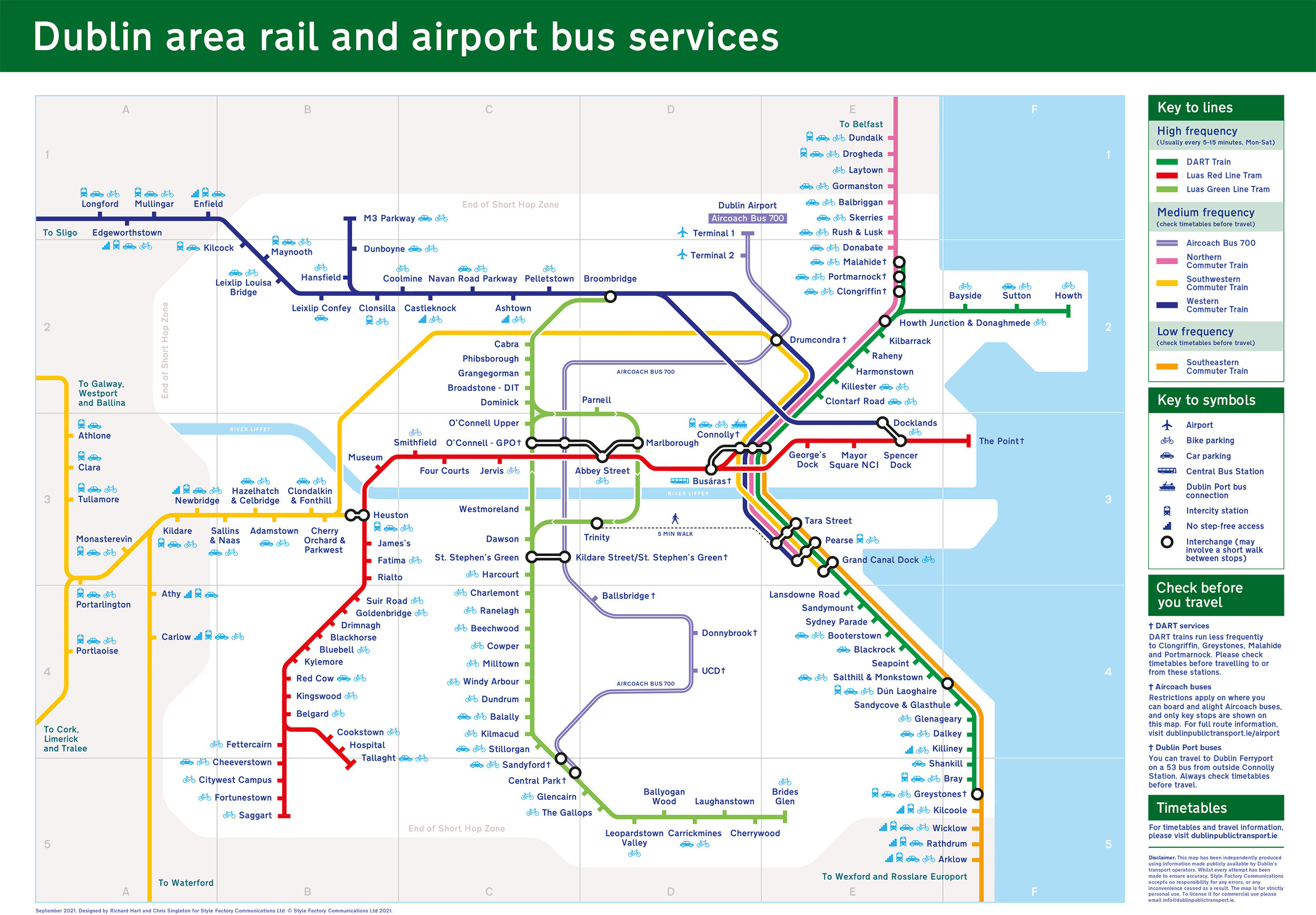
Reports from commuters and transit advocates often point to several recurring issues in Dublin stations:
- Insufficient Staffing: Concerns that there are not enough visible security personnel during peak or off-peak hours.
- Lighting and Blind Spots: Certain areas of platforms and walkways are perceived as less safe due to poor visibility.
- Anti-Social Behavior: A rise in reported incidents of verbal harassment and intimidation toward women and vulnerable groups.
The necessity of a civilian intervening to protect a woman suggests a gap in the immediate availability of official security. While the bravery of the youth is commendable, safety advocates argue that passengers should not have to rely on the courage of strangers to feel safe while commuting. This event has prompted renewed calls for increased Garda presence and better CCTV integration across the rail network.
For those interested in broader safety trends, a related explainer on urban transit security provides more context on how European cities are tackling these challenges.
Comparing the ‘Upstander’ vs. ‘Bystander’ Dynamic
To understand why the community is reacting so strongly to this event, it is helpful to contrast the two primary psychological responses to public conflict. The “bystander” is governed by a diffusion of responsibility, while the “upstander” is governed by a sense of moral agency.
In the Dublin station incident, the contrast was stark. Many people likely saw the harassment occurring, but the young man’s decision to act converted the environment from one of passive observation to one of active protection. This shift is what the community is currently celebrating—the rejection of apathy.
The following table illustrates the difference in behavioral patterns during public incidents:
| Feature | Bystander Behavior | Upstander Behavior |
|---|---|---|
| Psychological Driver | Diffusion of responsibility | Personal accountability |
| Action | Observation or avoidance | Direct or indirect intervention |
| Social Impact | Empowers the aggressor | Empowers the victim/community |
| Outcome | Situation may escalate | Situation is often defused |
Legal and ethical considerations of civilian intervention
While the Dublin community celebrates the youth’s actions, legal experts often note the complexities involved when civilians intervene in public disputes. In Ireland, the law generally recognizes the right to protect oneself or others from immediate harm, but the line between “protection” and “assault” can sometimes be thin if the intervention becomes overly aggressive.
In this specific case, the intervention was viewed as protective and necessary. However, safety professionals generally advise the following guidelines for those wishing to help in similar situations:
- Prioritize Safety: Never put yourself in a position where you are likely to be seriously injured.
- Avoid Escalation: The goal should be to defuse the situation or remove the victim, not to engage in a fight with the aggressor.
- Coordinate: If other bystanders are present, work together to create a safety perimeter.
- Report: Always notify the authorities or station staff immediately after the intervention.
The “young hero” followed the most critical rule: he prioritized the victim’s safety and succeeded in stopping the harassment without escalating the event into a larger violent clash.
The role of social media in modern community mobilization
The speed with which the Dublin community rallied behind the youth is a testament to the power of digital networks. In previous decades, such a story might have remained a local anecdote. Today, a single post can trigger a city-wide response within hours.
This “digital rally” serves two purposes. First, it provides immediate, tangible support to the individual through crowdfunding. Second, it creates a “social reward” system. By publicly praising the youth, the community is essentially training others to behave in the same way. When bravery is rewarded with visibility and support, it increases the likelihood that other bystanders will become upstanders in the future.
However, this phenomenon also carries risks, such as the potential for “vigilante justice” if the community attempts to hunt down the aggressor. In the Dublin case, the focus has remained largely on the positive reinforcement of the protector rather than the pursuit of the harasser, which is the healthier community response.
Frequently Asked Questions
Who is the young man who protected the woman in Dublin?
The youth is a local Dublin resident who intervened during a harassment incident at a train station. While he has been dubbed a “young hero” by the community, his full identity has been kept relatively private to protect his personal life.
How can people contribute to the support for the ‘young hero’?
Support has primarily been organized through social media and community-led crowdfunding efforts. Those wishing to help are encouraged to look for verified local community groups sharing the story.
Was anyone arrested during the Dublin train station incident?
Reports indicate that the situation was defused by the youth’s intervention. Any subsequent arrests or legal actions would be handled by An Garda Síochána following their investigation of the harassment.
What is the ‘bystander effect’ mentioned in the story?
The bystander effect is a psychological phenomenon where individuals are less likely to help a victim when other people are present, assuming that someone else will take action. The youth in this story overcame this effect by choosing to intervene.
Is it safe for civilians to intervene in public harassment?
While intervention can save victims from harm, safety experts recommend using the “5 Ds” (Direct, Distract, Delegate, Delay, Document) to ensure the intervention is done safely and without unnecessary escalation.
The events at the Dublin train station serve as a potent example of how a single individual’s courage can shift the atmosphere of a public space. By stepping in to protect a stranger, the young man not only helped a woman in distress but also reminded a city of the value of collective responsibility. As the community continues to rally behind him, the conversation has shifted toward a broader need for both individual bravery and systemic improvements in public transport security.
