
Leinster brace for ‘mano a mano’ Bulls battle – SA Rugby magazine
Leinster is preparing for a direct “mano a mano” confrontation against the Bulls in the United Rugby Championship final, according to SA Rugby magazine. The match arrives amid critical roster changes, with the BBC reporting that Leinster prop Andrew Porter will miss the final, while Bulls coach Johan Ackermann warned TimesLIVE that his side must contain Leinster’s early momentum in the first half to secure victory.
Why is Leinster bracing for a ‘mano a mano’ battle with the Bulls?
Leinster views the upcoming final as a gritty, head-to-head struggle, a sentiment described by SA Rugby magazine as a “mano a mano” battle. This framing suggests a match defined by individual physical contests and a high-intensity clash of styles between the Irish province and the South African franchise.
The “mano a mano” nature of the contest stems from the contrasting philosophies of the two teams. Leinster typically relies on a high-tempo, expansive game with precision passing and rapid phase play. In contrast, the Bulls are known for a more physical, set-piece-oriented approach, utilizing their size and strength to dominate the contact area.
Key factors contributing to this high-stakes environment include:
- Physicality: The expectation of a heavy collision rate in the tight exchanges.
- Psychological Pressure: The weight of a championship final where narrow margins often decide the outcome.
- Tactical Rigidity: Both teams entering the match with established systems that will clash directly in the midfield and at the breakdown.
How does Andrew Porter’s absence affect the Leinster lineup?
Leinster will be without prop Andrew Porter for the final, according to reports from the BBC. The loss of Porter creates a significant void in the Irish side’s front row, specifically impacting their scrum stability and set-piece reliability.
In professional rugby, the tighthead prop is often considered the anchor of the scrum. Porter’s ability to withstand pressure and provide a stable platform for the scrum-half and fly-half is a cornerstone of Leinster’s offensive launchpad. Without him, Leinster must rely on their depth to ensure the Bulls do not exploit a perceived weakness in the front row.
“United Rugby Championship: Leinster prop Andrew Porter to miss final,” BBC.
The absence of a primary prop in a final often forces a coaching staff to choose between a seasoned veteran who may lack recent match fitness or a younger player who possesses energy but lacks experience in high-pressure finals. This personnel shift changes the dynamic of the “mano a mano” battle, potentially shifting the set-piece advantage toward the South African side.
What is the Bulls’ tactical plan to secure the URC title?
Bulls coach Johan Ackermann has identified the opening stages of the match as the critical window for victory. According to TimesLIVE, Ackermann warned that the Bulls must contain Leinster during the first half to prevent the Irish side from establishing a dominant lead.
Leinster is known for starting matches with extreme intensity, often scoring early to force opponents out of their tactical game plan. Ackermann’s focus on the first half suggests a strategy of attrition—absorbing Leinster’s initial surge and staying within striking distance before utilizing their own physical advantages in the latter stages of the game.
To complement this defensive focus, the Vodacom Bulls have signaled a preference for consistency in their selection. According to the Vodacom Bulls, the team is opting for “tried and tested” players for the final. This approach prioritizes cohesion and familiarity over experimental tactics, ensuring that the players on the field are those most attuned to Ackermann’s system.
Comparison of Team Strategies
| Strategic Element | Leinster Approach | Bulls Approach |
|---|---|---|
| Personnel Philosophy | Managing key absences (e.g., Andrew Porter) | Utilizing “tried and tested” veterans |
| Game Timing | Early pressure and tempo control | Containing the first-half surge |
| Match Persona | “Mano a mano” intensity | Physical attrition and stability |
Who are the key stakeholders in this championship clash?
The final involves several critical entities whose interests and pressures shape the narrative of the match.
The Coaching Staff
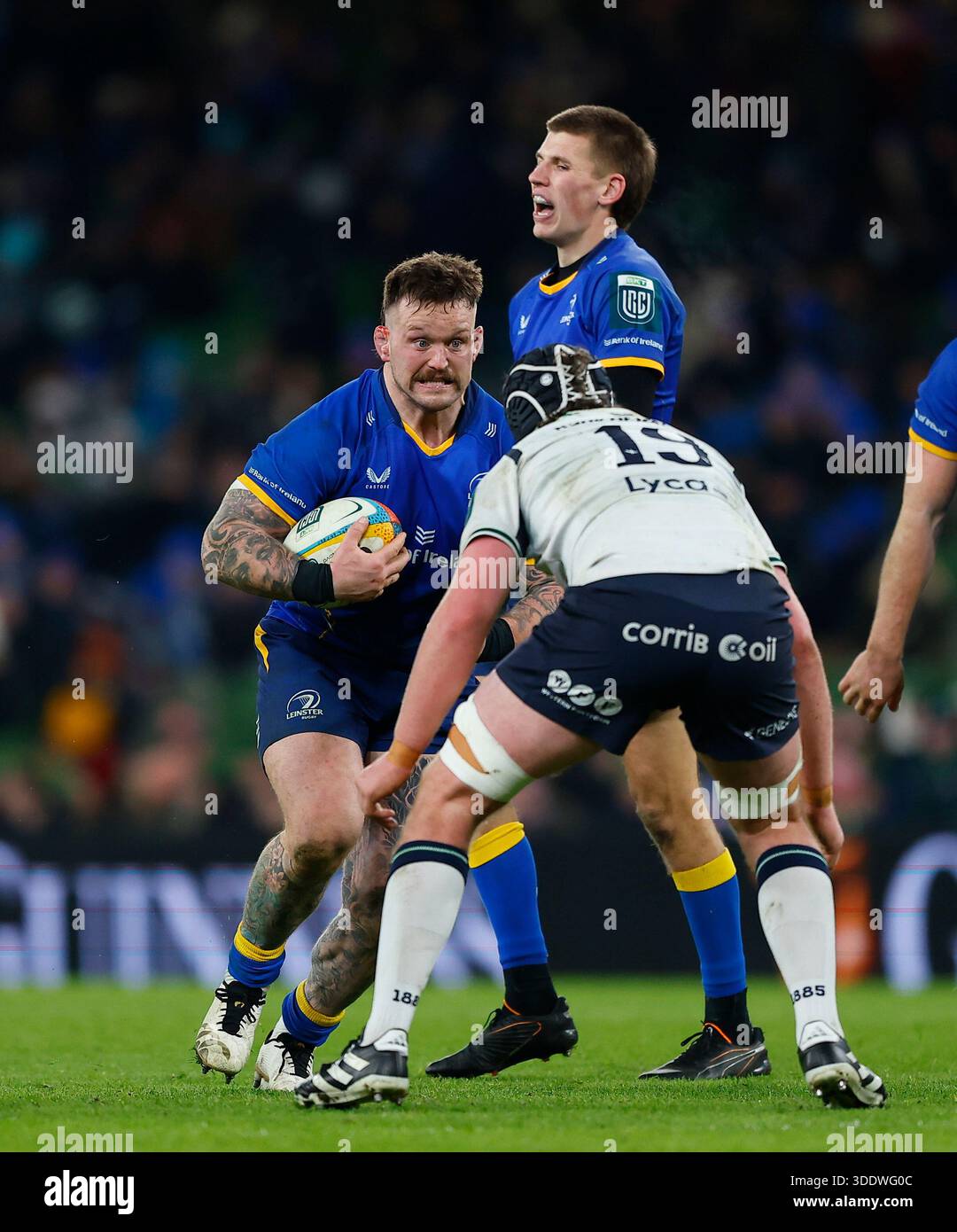
Johan Ackermann carries the responsibility of managing the Bulls’ energy levels. His public emphasis on the first half indicates a tactical blueprint centered on resilience. For Leinster’s coaching staff, the primary challenge is the tactical reconfiguration of the front row following the loss of Andrew Porter.
The Players
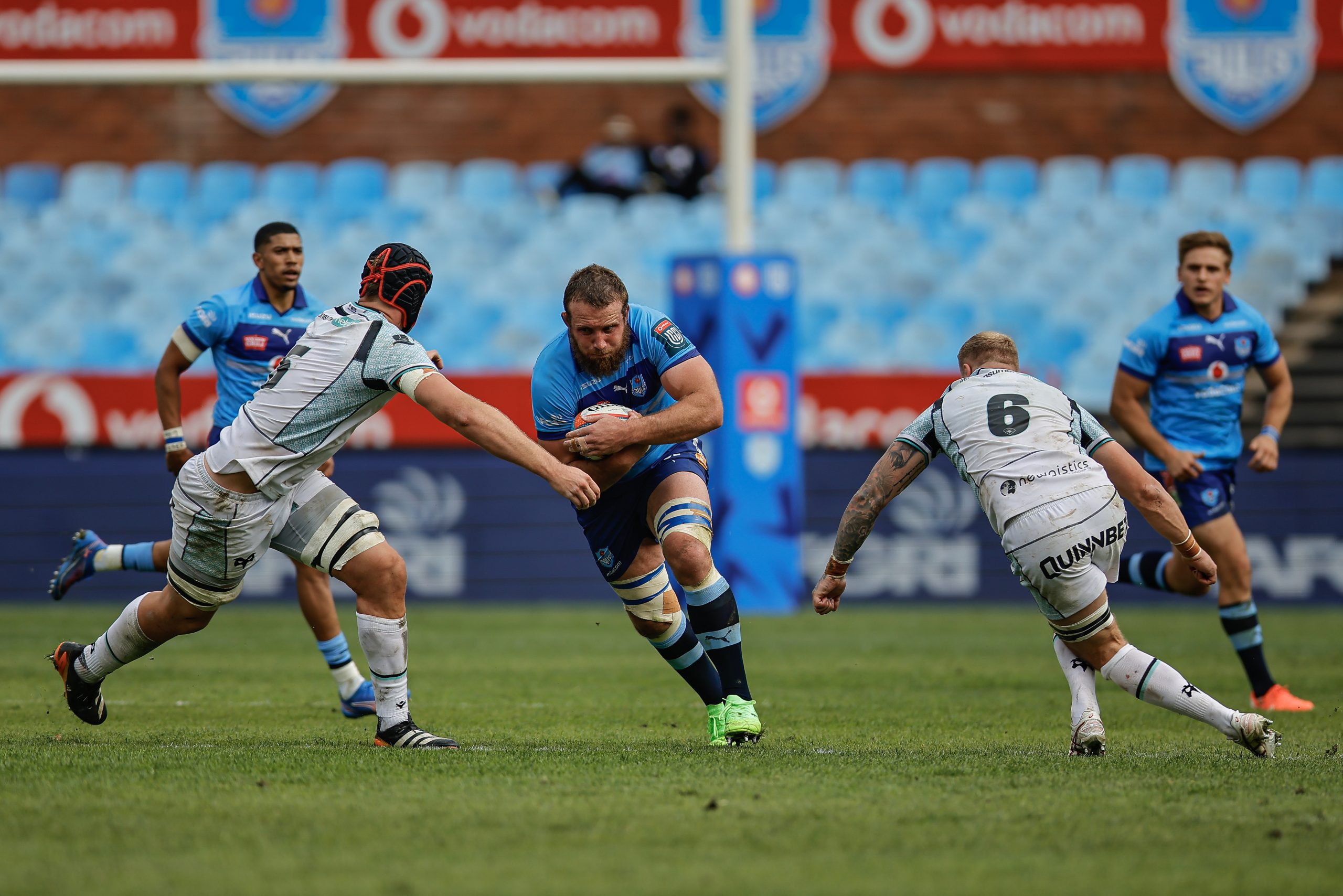
For the “tried and tested” Bulls squad, this is an opportunity to validate a season of consistency. For Leinster, the remaining squad members must step up to fill the gap left by Porter, turning a potential weakness into a point of resilience.
The Organizations
The Vodacom Bulls and Leinster represent two of the most powerful rugby brands in the Northern and Southern Hemispheres. A victory for the Bulls reinforces the competitiveness of South African rugby in the URC, while a Leinster win cements their status as a dominant force in European rugby.
Why does the ‘first half’ warning from Johan Ackermann matter?
In championship rugby, the first 40 minutes often dictate the psychological flow of the match. When a coach like Johan Ackermann explicitly warns his team to “contain” an opponent in the first half, it reveals a specific fear: the “avalanche effect.”
If Leinster scores two early tries, they can transition from an attacking mindset to a controlling mindset, using their superior possession game to starve the Bulls of the ball. By focusing on containment, the Bulls aim to keep the scoreline tight, which keeps the pressure on Leinster and allows the Bulls’ physical strength to become more impactful as the game wears on and fatigue sets in.
This tactical battle is a classic contrast between the “strike first” mentality of the Irish and the “endure and conquer” mentality of the South Africans.
How does the URC landscape influence this final?
The United Rugby Championship is a cross-border competition that pits teams from Ireland, Scotland, Wales, Italy, and South Africa against one another. This creates a unique clash of rugby cultures.
The Bulls’ approach of sticking to “tried and tested” players is a response to the volatility of the URC season. The league’s travel demands and varied playing conditions make stability a premium asset. For Leinster, their ability to remain contenders despite injury setbacks—such as the loss of Porter—is a testament to the depth of the Irish provincial system.
Additionally, the commercial interest in the event is significant. SA Rugby magazine has already begun promoting future engagements, including ticket opportunities for the 2026 URC Grand Final, indicating the long-term growth and viability of the competition as a global sporting product.
What are the common misconceptions about this matchup?
One common oversimplification is that the absence of a single player, like Andrew Porter, automatically handicaps a team. While Porter is a vital asset, Leinster’s system is designed to be holistic. The “mano a mano” battle described by SA Rugby magazine is not just about individual stars, but about how systems clash.
Another misconception is that the Bulls’ “tried and tested” approach is a sign of a lack of depth. In reality, in a final, cohesion often outweighs raw talent. Choosing players who have a proven chemistry under pressure is a calculated strategic move rather than a limitation of the squad.
Key Points of the Matchup
- The Porter Gap: Leinster must find a way to stabilize the scrum without their primary prop.
- The 40-Minute Wall: The Bulls’ success depends on their ability to neutralize Leinster’s early attacking bursts.
- Experience vs. Momentum: The Bulls are leaning on veteran reliability, while Leinster is bracing for a high-intensity physical fight.
Frequently Asked Questions
Will Andrew Porter play in the URC final?
No. According to reports from the BBC, Andrew Porter is set to miss the final, leaving Leinster to reorganize their front-row options.
What did Johan Ackermann say about the Bulls’ strategy?
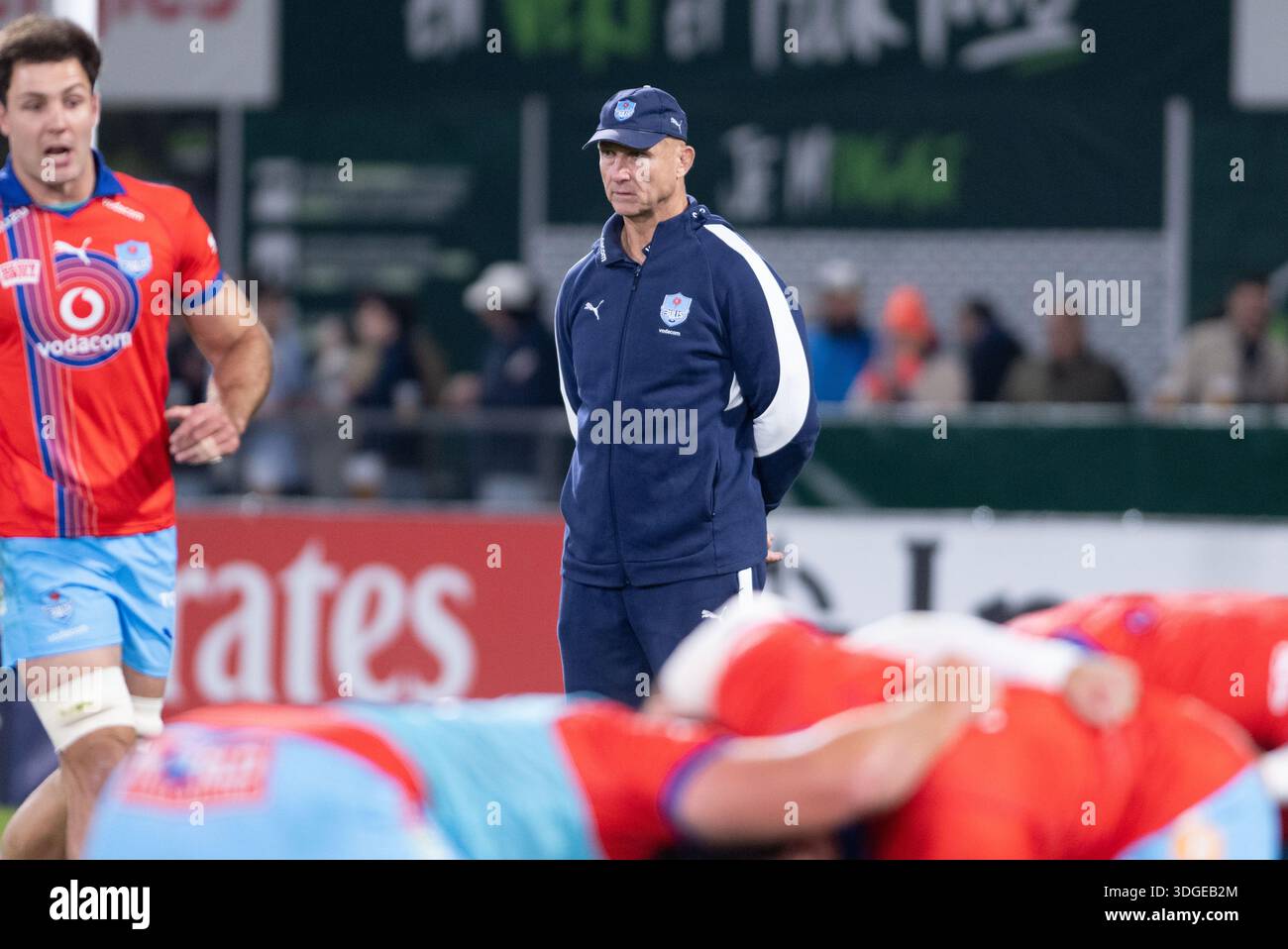
According to TimesLIVE, coach Johan Ackermann stated that the Bulls must contain Leinster in the first half to avoid falling behind early in the match.
What does “mano a mano” mean in the context of this match?
As reported by SA Rugby magazine, the term refers to a direct, head-to-head battle, emphasizing the physical and individual confrontations expected between the Leinster and Bulls players.
Who is the Bulls’ preferred selection strategy for the final?
The Vodacom Bulls have stated they are going with a “tried and tested” approach, prioritizing experienced players and established combinations for the championship game.
How does the URC final differ from traditional regional finals?
The URC final is unique because it pits teams from different hemispheres (Northern and Southern) against each other, combining the technical styles of Irish rugby with the physical power of South African rugby.
As the teams prepare for this encounter, the focus remains on whether Leinster’s systemic precision can overcome the Bulls’ physical resilience and veteran stability. The outcome will depend on who controls the tempo of the first half and how Leinster manages the void left in their scrum.
