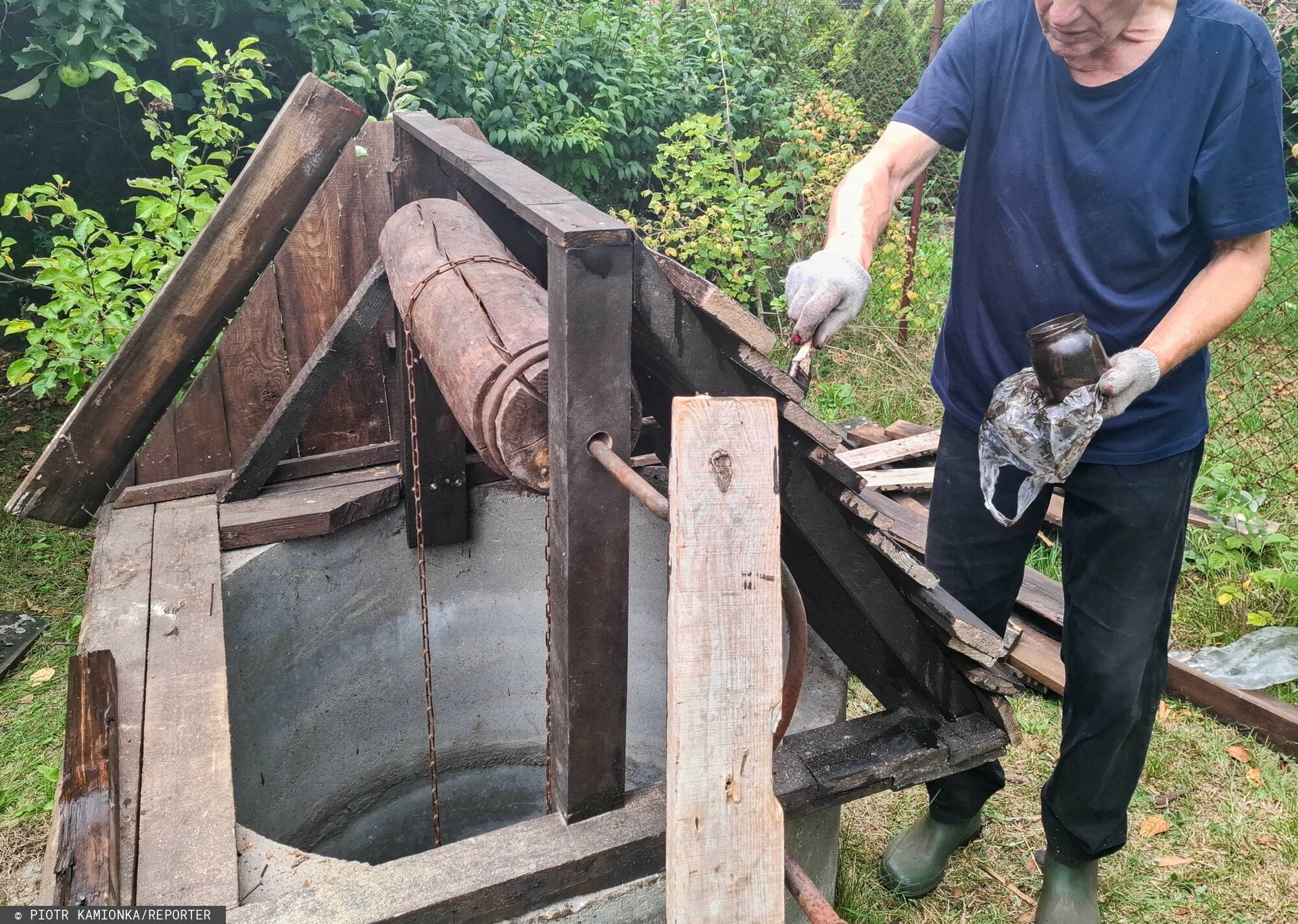
A private well on your property? Polish law now clarifies the rules—but landowners must navigate strict permits, safety checks, and potential fines if they dig without approval.
Poland’s Ministry of Climate and Environment has updated regulations on private well construction, requiring landowners to obtain permits, submit geological surveys, and ensure water quality meets national standards. The changes, effective immediately, aim to prevent groundwater contamination and conflicts over water rights.
What the New Rules Say—and Why They Matter
The updated guidelines mandate that any well deeper than 5 meters or capable of supplying more than 1,000 liters of water per day must be registered with local authorities. According to the ministry, unregulated wells have contributed to bacterial contamination in rural areas, with some communities reporting elevated levels of nitrates and heavy metals.
Key requirements include:
- Technical approval: A licensed geologist must assess soil conditions before drilling begins.
- Water testing: Samples must be tested for pathogens, chemicals, and heavy metals every six months.
- Public notification: Landowners must inform neighbors if the well could affect shared groundwater sources.
Violations can result in fines up to 50,000 zloty (about $11,000), though enforcement remains inconsistent in remote regions.
How the Rules Compare to Other EU Countries
Poland’s approach aligns with stricter EU-wide water protection policies but diverges from neighboring countries. For example:
- Germany: Requires permits for all wells, with mandatory inspections every two years.
- Czech Republic: Limits private wells to non-potable use unless approved by regional water boards.
- Poland’s change: Expands oversight to smaller wells, closing a loophole where landowners avoided permits for “personal use” systems.
According to local environmental groups, the new rules could reduce groundwater pollution by 30% in high-risk agricultural zones, where nitrate runoff from fertilizers has historically been a concern.
What Happens Next for Landowners
Existing wells comply with the new rules if they were legally registered before the update. Landowners planning new wells must submit applications within 90 days of drilling. The ministry has launched an online portal to streamline permits, though backlogs in rural offices may delay processing.
For those already operating unregistered wells, the ministry advises voluntary compliance to avoid penalties. “We’re not targeting small-scale users,” said a ministry spokesperson. “But we need to protect public health and shared water resources.”
Experts warn that enforcement will depend on regional water authorities, some of which lack the staff to monitor compliance. Meanwhile, rural communities—where private wells are a critical water source—are divided over the costs of testing and permits.
