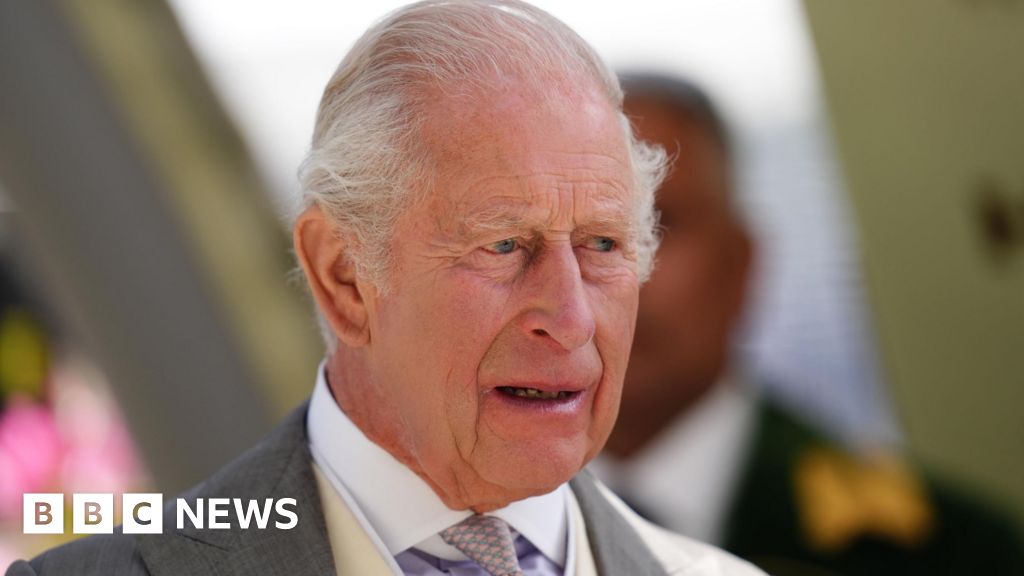
King Charles III to Publish Personal Tax Bill in Historic Move for Royal Transparency
King Charles III will become the first British monarch to publicly disclose his personal tax bill, according to reports from the BBC, Sky News, and other major news outlets. This unprecedented move is designed to increase transparency regarding royal finances and modernize the institution of the monarchy.
Why is King Charles revealing his personal tax information?
The decision to publish personal tax returns marks a significant shift in how the British monarchy handles its financial privacy. According to the Belfast News Letter, the King is taking this step to enhance transparency around royal finances. By making this information public, the monarch aims to provide a clearer picture of his personal financial obligations and contributions to the public purse.
The Irish Sun reports that this initiative is part of a broader effort to modernize the Royal Family. This modernization strategy seeks to align the monarchy with contemporary expectations of accountability, particularly during a period of economic scrutiny across the United Kingdom. While previous monarchs maintained a strict veil of secrecy over their personal wealth and tax arrangements, King Charles III is opting for a more open approach.
Key objectives driving this decision include:
- Increasing Public Trust: Reducing speculation about royal wealth and tax avoidance.
- Institutional Evolution: Updating royal protocols to reflect 21st-century governance standards.
- Financial Clarity: Distinguishing between state-funded expenses and private income.
How does this differ from previous royal financial disclosures?
Historically, the British sovereign has not been required to publish personal tax returns. While the monarchy provides an annual “Sovereign Grant Report” detailing the funding provided by the government for official duties, this is a corporate disclosure rather than a personal one. Sky News notes that King Charles III will be the first monarch to share personal tax information, breaking a long-standing tradition of financial anonymity for the head of state.
The Daily Express highlights that this move “makes history,” as it separates the public’s understanding of the “Crown” (the institution) from the “person” (the King). Previously, the public had limited insight into how the monarch’s private estates, such as the Duchy of Lancaster, were taxed on a personal level.
| Feature | Traditional Royal Disclosure | New Approach under King Charles III |
|---|---|---|
| Scope | Sovereign Grant (Official spending) | Personal Tax Bill (Individual liability) |
| Frequency | Annual reports on state funding | Disclosure of personal tax returns |
| Primary Goal | Accounting for public funds | Personal transparency and modernization |
| Precedent | Standard practice for centuries | First time in British history |
The role of royal finances and the Sovereign Grant
To understand the impact of King Charles revealing his personal tax bill, it is necessary to distinguish between the different streams of royal income. The monarchy does not operate as a single financial entity but as a complex web of public and private funds.
The Sovereign Grant
The Sovereign Grant is the annual payment made by the government to support the monarch’s official duties. This money is derived from a percentage of the profits of the Crown Estate. Because this is public money, it is already subject to a degree of reporting, though the specific personal tax implications for the monarch have remained private until now.
The Duchy of Lancaster and Duchy of Cornwall
The King receives private income from the Duchy of Lancaster, a private estate held in trust for the sovereign. Historically, the monarch has paid income tax on the profits of the Duchy voluntarily, as the sovereign is not legally required to pay tax. By publishing the tax bill, the King provides verifiable proof of these voluntary payments, moving the practice from a private claim to a public record.
“King Charles is set to be the first head of state to publish his personal tax bill to help enhance transparency around royal finances.” — Belfast News Letter
Implications for the modernization of the monarchy
The decision to disclose tax records is not merely a financial update but a symbolic gesture. According to The Irish Sun, the move is a bid to “modernise Royal Family” operations. This occurs at a time when constitutional monarchies worldwide are facing questions about their relevance and the cost of their upkeep.
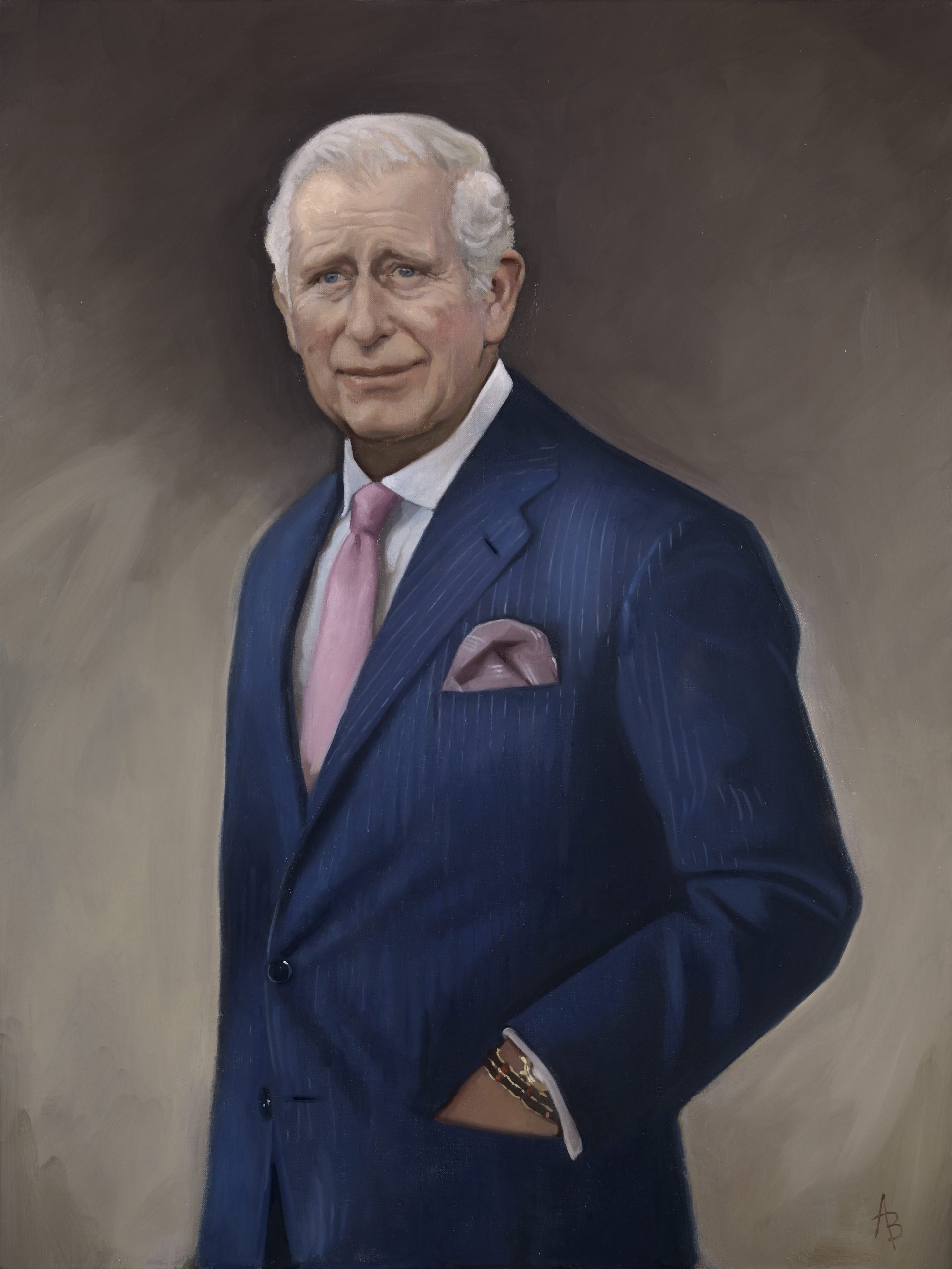
By adopting the transparency standards typically expected of elected political leaders, King Charles III is attempting to bridge the gap between the monarchy’s inherited privilege and the public’s demand for accountability. This shift may set a precedent for other members of the Royal Family, potentially leading to similar disclosures from the Prince and Princess of Wales.
Potential consequences of increased transparency:
- Reduced Criticism: Direct evidence of tax payments may neutralize claims that the monarchy avoids its fair share of fiscal responsibility.
- Increased Scrutiny: Once the door to personal finances is opened, the public and media may demand more detailed information on private investments and assets.
- Political Alignment: The move aligns the monarchy with the transparency trends seen in other democratic institutions.
For further context on how the monarchy is adapting to the current era, readers may find a related explainer on royal constitutional changes useful.
Common misconceptions about royal taxes
There is a frequent misunderstanding that the monarch “pays no tax” because they are the head of state. In reality, while the sovereign is legally exempt from most taxes, it has been a voluntary tradition for several decades that the monarch pays income tax on their private earnings.
The significance of the BBC and Sky News reports is not that the King is starting to pay tax, but that he is revealing the bill. The difference is between the act of payment and the act of disclosure. Until this point, the public had to rely on official statements from the palace rather than primary financial documents.
Clarifying the financial structure:
- Misconception: The King is funded entirely by the taxpayer.
- Fact: He is funded by a mix of the Sovereign Grant (public/Crown Estate) and private income from the Duchy of Lancaster.
- Misconception: The King is legally forced to publish his taxes.
- Fact: This is a voluntary move to increase transparency and modernize the image of the monarchy.
Comparing media framing of the disclosure
Different news outlets have emphasized different motivations behind the King’s decision. A comparison of the reporting reveals a slight variance in focus:
- The BBC and Sky News focus on the historical nature of the event, emphasizing that this is the “first time” a monarch has shared such information.
- The Belfast News Letter frames the move specifically through the lens of “transparency,” suggesting a strategic response to financial questioning.
- The Irish Sun links the disclosure directly to a “bid to modernise,” placing the event within a broader narrative of institutional change.
- The Daily Express uses terms like “make history,” highlighting the dramatic shift in royal protocol.
This suggests that while the fact—the publication of the tax bill—is the same, the interpreted meaning ranges from a simple administrative update to a major strategic pivot in royal public relations.
Frequently Asked Questions
Does King Charles have to pay tax by law?
No. Under British law, the sovereign is not legally required to pay income tax. However, King Charles and his predecessors have voluntarily paid income tax on their private incomes for many years. The new move is to make the evidence of these payments public.
What is the difference between the Sovereign Grant and a personal tax bill?
The Sovereign Grant is money given to the King by the government to fund official duties and palace maintenance. A personal tax bill refers to the amount of money the King pays to the government from his private income (such as from the Duchy of Lancaster).

Why has no monarch done this before?
Historically, the private finances of the monarch were considered separate from the state and were treated as strictly confidential. The tradition of royal privacy was seen as essential to the dignity and independence of the Crown.
Will other members of the Royal Family also publish their taxes?
While not explicitly confirmed for all members, The Irish Sun indicates this is part of a wider effort to modernize the family. This suggests that other senior royals may follow the King’s lead to maintain a consistent image of transparency.
How will this affect the public’s view of the monarchy?
According to the Belfast News Letter, the goal is to “enhance transparency.” By providing concrete data, the monarchy hopes to reduce public skepticism regarding royal wealth and demonstrate a commitment to fairness and accountability.
As the monarchy continues to evolve, the publication of these financial records will serve as a benchmark for how the institution balances its traditional privacy with the demands of a modern, transparent society. Observers will be watching to see if this leads to further disclosures regarding the private assets of the royal estates.
