
Iran-US Agreement Approved Amid Republican Criticism, French Vessel Passes Hormuz
Supreme Leader Ali Khamenei confirmed approval of a landmark agreement with the United States, according to local media reports, as Republican lawmakers in Washington condemned the deal as a “mistake” and a “disaster.” The pact, revealed after three months of volatile diplomatic maneuvering, marks a fragile step toward de-escalation in a conflict that has tested U.S. military and political resolve.
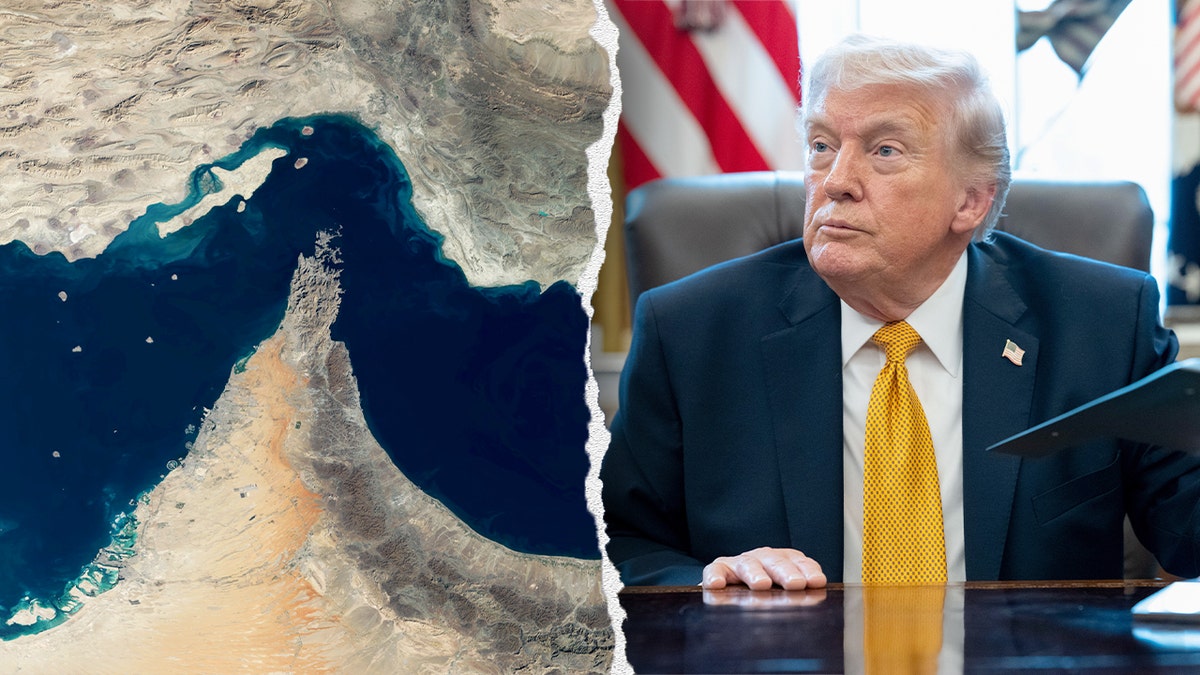
The agreement follows the U.S. withdrawal from a controversial military operation codenamed “Fureur épique,” which had been criticized for escalating tensions in the region. A French tanker recently navigated the Strait of Hormuz under the new protocol, signaling potential shifts in regional maritime security arrangements.
How Tensions Escalated
The crisis began in early 2023 when U.S. forces conducted a series of strikes against Iranian-backed militias in Iraq, prompting retaliatory attacks on oil facilities in Saudi Arabia. The situation worsened in June after a U.S. drone strike killed Iranian General Qasem Soleimani, a move that led to a sharp increase in cross-border violence. Over the following months, both sides engaged in a cycle of tit-for-tat attacks, with the U.S. deploying additional troops to the Middle East and Iran testing ballistic missiles near the Persian Gulf.
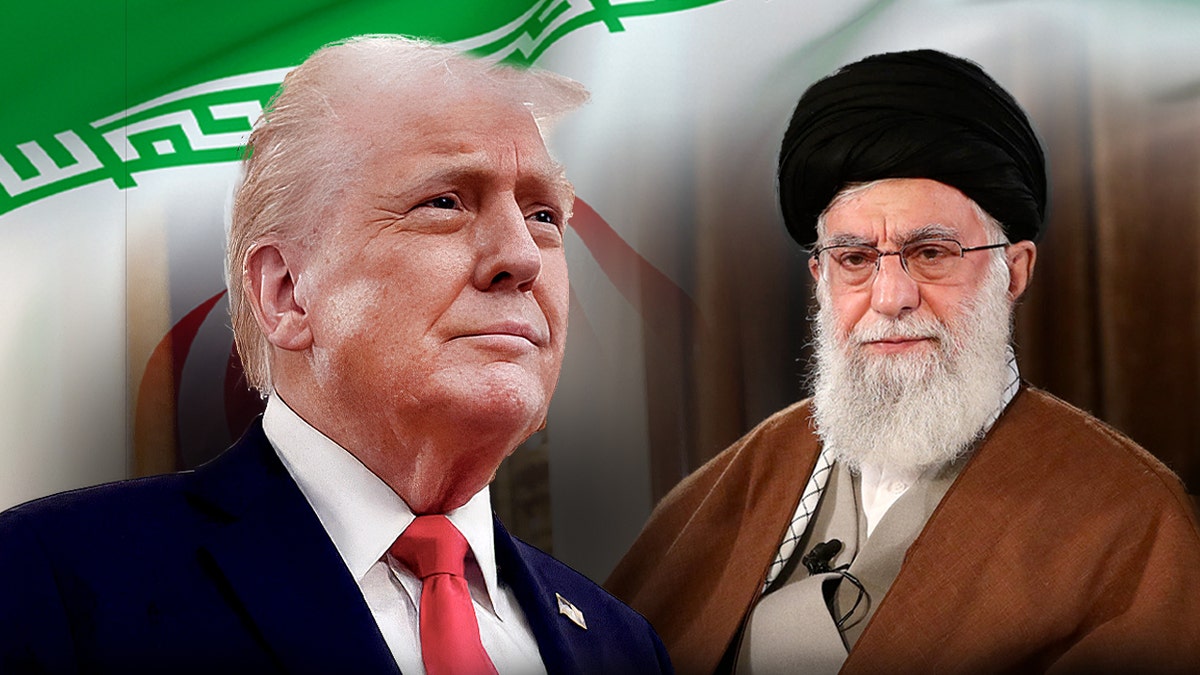
The “Fureur épique” operation, launched in July, aimed to secure U.S. interests in the region but faced internal resistance from military officials who argued it risked wider conflict. The operation’s abrupt end in October coincided with renewed diplomatic talks between U.S. and Iranian representatives in Paris, culminating in the recent agreement.
International Reactions
Republican lawmakers in the U.S. swiftly criticized the deal, with Senator Lindsey Graham calling it a “disaster” and Representative Mike Turner alleging that it “abandons our allies in the region.” The White House, however, defended the agreement as a necessary step to prevent further bloodshed, with a senior administration official stating, “This is about avoiding a broader war.”
France, a key NATO ally, has maintained a cautious stance, emphasizing the importance of “diplomatic dialogue” while reaffirming its commitment to regional security. The passage of the French tanker through the Strait of Hormuz, a critical chokepoint for global oil trade, was described by French Foreign Minister Jean-Yves Le Drian as a “symbol of stability” under the new framework.
What This Means for Regional Stability
The agreement comes amid growing concerns over the humanitarian crisis in Iran, where economic sanctions have exacerbated food and medicine shortages. Human Rights Watch reported in July that over 10 million people face severe food insecurity, a situation that could worsen if the deal fails to address economic grievances.
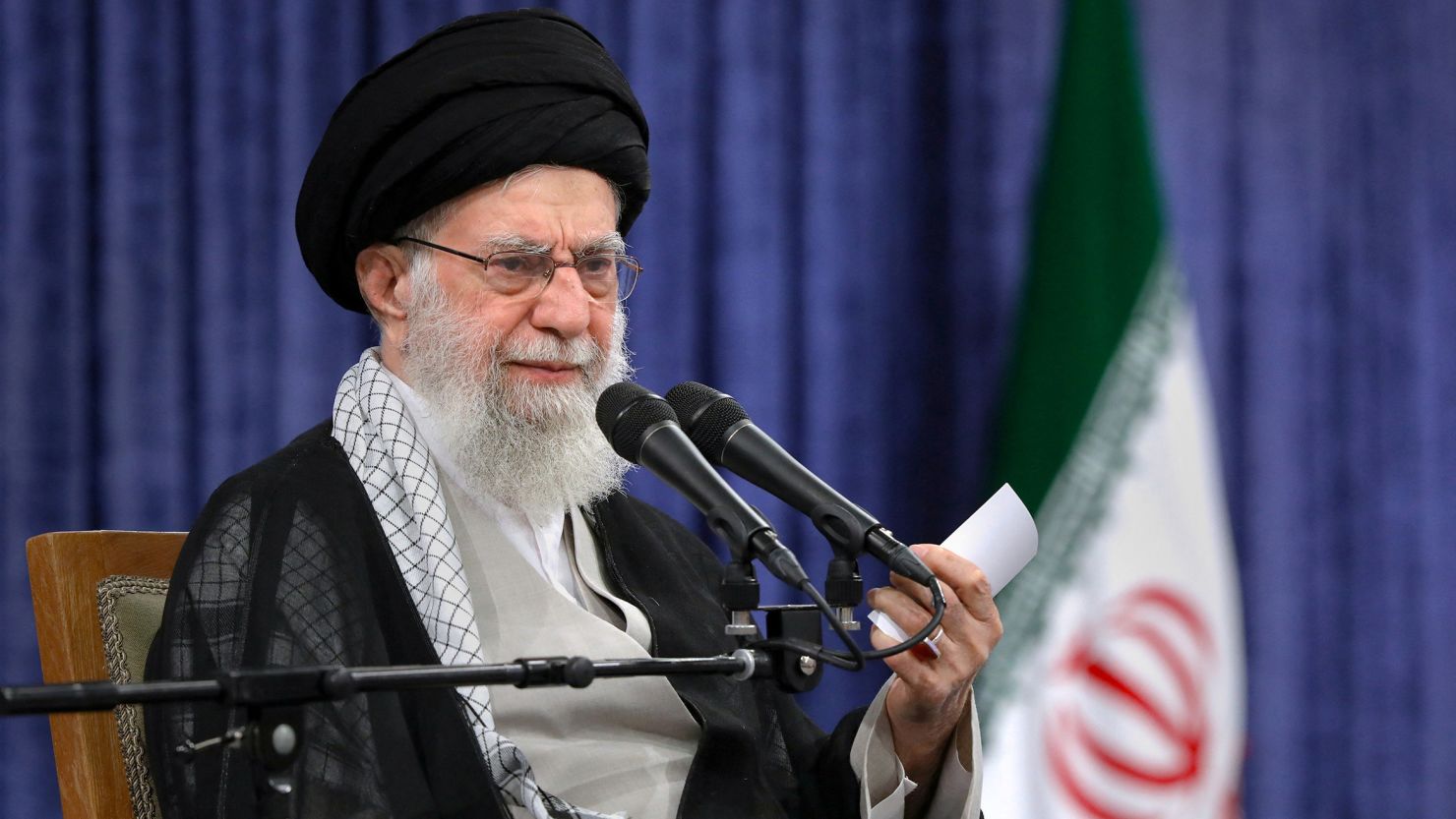
Analysts note that the pact’s success hinges on enforcement mechanisms, particularly regarding nuclear inspections and the lifting of sanctions. “This is a fragile compromise,” said Dr. Amin Ghazari, a Middle East expert at the London School of Economics. “It requires both sides to maintain trust, which has been eroded over decades of conflict.”
The agreement also raises questions about the role of regional powers like Turkey and Iraq, which have historically acted as intermediaries in U.S.-Iran negotiations. Iraqi Prime Minister Mustafa Al-Kazemi reiterated his country’s neutrality, stating, “We urge all parties to prioritize stability over confrontation.”
What’s Next
Under the terms of the agreement, the U.S. and Iran have committed to a 90-day review period to assess compliance. During this time, both nations will engage in regular diplomatic consultations, with a focus on nuclear non-proliferation and maritime security. The next round of talks is scheduled for mid-December, according to a statement from the U.S. State Department.
Meanwhile, the French tanker’s passage through Hormuz has been closely monitored by international observers, with the International Maritime Organization issuing a statement emphasizing the importance of “unimpeded trade and freedom of navigation.” The event underscores the broader geopolitical stakes, as global powers navigate the complex web of alliances and rivalries in the region.
