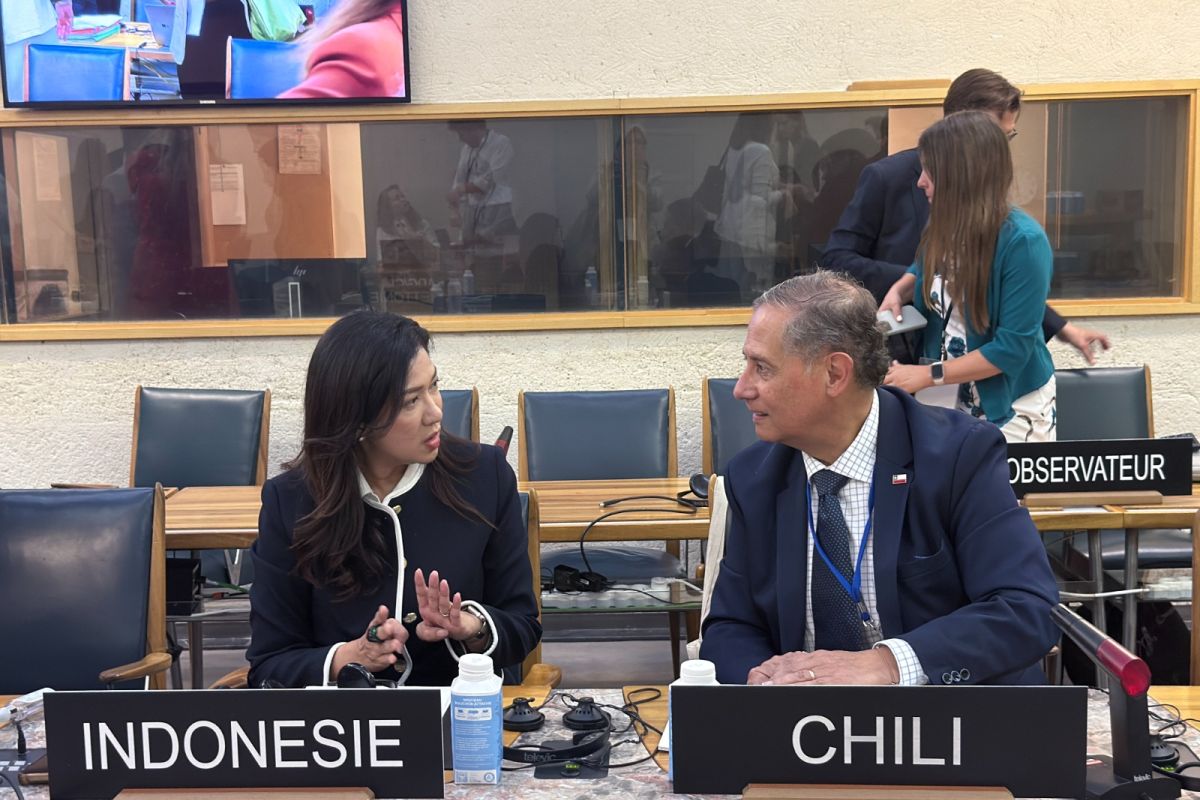
Indonesia Backs Information Integrity and Journalist Protection to Combat Disinformation
Indonesia has formally reaffirmed its commitment to safeguarding information integrity and strengthening protections for journalists, according to government statements. The initiative aims to mitigate the spread of disinformation and ensure that media professionals can report news without facing harassment, violence, or legal retaliation in an increasingly digital environment.
Why is Indonesia prioritizing information integrity and journalist protection now?
The push for information integrity comes as digital platforms become the primary source of news for millions of Indonesians. Government officials state that the proliferation of “hoaxes” and coordinated disinformation campaigns threatens social cohesion and democratic stability. By backing information integrity, the state seeks to create a digital ecosystem where verified facts outweigh fabricated narratives.
Journalist protection is a concurrent priority because the risks to reporters have shifted. While physical threats remain, digital surveillance and the use of restrictive laws to silence critics have emerged as primary concerns. According to reports on media freedom, the safety of journalists is directly linked to the quality of information available to the public; when reporters are intimidated, information integrity collapses.
Key drivers for this policy shift include:
- The Rise of AI-Generated Content: The emergence of deepfakes and AI-written disinformation makes it harder for the public to distinguish between truth and fabrication.
- Digital Harassment: Journalists, particularly women and those covering sensitive political beats, face systemic online abuse designed to force them into self-censorship.
- Electoral Integrity: With major political cycles often marred by polarization, the government views information integrity as a prerequisite for fair and peaceful elections.
What specific measures define Indonesia’s approach to information integrity?
Information integrity is not a single policy but a framework of technical and legal interventions. Indonesia’s strategy focuses on the intersection of government regulation, platform accountability, and public literacy. The goal is to reduce the “velocity” of false information while increasing the visibility of verified reporting.
One primary pillar is the promotion of fact-checking collaborations. By partnering with independent media outlets and international fact-checking networks, the government aims to provide real-time corrections to viral falsehoods. This approach shifts the focus from simply deleting content—which can lead to accusations of censorship—to providing a corrective counter-narrative based on evidence.
Additionally, the state is emphasizing “digital hygiene” for the general population. This involves educational campaigns designed to teach citizens how to verify sources and recognize the hallmarks of disinformation. According to policy outlines, the objective is to move from a reactive model of debunking to a proactive model of “pre-bunking,” where citizens are warned about common disinformation tactics before they encounter them.
“Information integrity is the bedrock of a functioning democracy. Without a shared understanding of basic facts, public discourse breaks down into fragmented realities.”
The Role of Digital Platforms
Indonesia is increasingly calling for greater transparency from social media companies regarding their algorithms. The government argues that algorithms prioritizing engagement over accuracy often amplify inflammatory and false content. By demanding more transparency, Indonesia seeks to influence how content is moderated and promoted within its borders.
| Strategy Component | Primary Objective | Mechanism of Action |
|---|---|---|
| Fact-Checking Partnerships | Rapid debunking of hoaxes | Collaboration between state agencies and independent media |
| Digital Literacy | Reducing public susceptibility | National educational campaigns on source verification |
| Platform Accountability | Reducing algorithmic bias | Demands for transparency in content amplification |
| Legal Safeguards | Preventing journalist intimidation | Strict enforcement of press laws over criminal codes |
How does Indonesia plan to protect journalists from harassment and legal threats?
The protection of journalists in Indonesia centers on the distinction between criminal law and press law. A recurring issue in the region is the use of the Electronic Information and Transactions (ITE) Law to prosecute journalists for “defamation” or “spreading hate speech” when they report on corruption or government failure.
To counter this, the government has indicated a preference for resolving disputes involving journalists through the Press Council. This mechanism ensures that complaints about journalistic work are handled by peers and experts in media ethics rather than through the criminal court system. This shift is intended to prevent “Strategic Lawsuits Against Public Participation” (SLAPPs), which are designed to bankrupt or intimidate reporters through endless litigation.
Physical protection also remains a critical concern. In remote provinces or during civil unrest, journalists often face violence from both state and non-state actors. The government’s stance on journalist protection includes improving the coordination between security forces and media workers to ensure that reporters are recognized as neutral observers during conflicts.
Addressing Digital Surveillance
Modern journalist protection must extend to the digital realm. The use of spyware and unauthorized access to journalists’ private communications has been reported globally, and Indonesia is facing pressure to ensure its security apparatus does not target the press. Protecting sources is a cornerstone of this effort; if journalists cannot guarantee the anonymity of their whistleblowers, investigative reporting ceases to exist.
Suggested internal link: related explainer on press freedom laws in Southeast Asia
Who are the key stakeholders involved in these initiatives?
The effort to secure information integrity and press safety involves a complex web of state and non-state actors. Each group brings a different set of priorities and pressures to the table.
Government Entities
The Ministry of Communication and Informatics (Kominfo) is the primary body responsible for monitoring digital content and managing the technical aspects of information integrity. Meanwhile, the Ministry of Law and Human Rights handles the legislative frameworks that govern how journalists are protected from criminal prosecution.
The Press Council and Media Unions
The Press Council serves as the quasi-judicial body that mediates between the press and the public. Media unions, such as the Alliance of Independent Journalists (AJI), act as watchdogs, documenting cases of violence and harassment to hold the government accountable to its promises of protection.
International Bodies
Organizations like UNESCO and the UN have provided the benchmarks for what constitutes “journalist protection.” Indonesia often aligns its public commitments with these international standards to maintain its standing as a leading democratic voice in the Global South.
Technology Companies
Meta, Google, and TikTok are critical stakeholders because their platforms are where the majority of information integrity battles are fought. The tension here lies between the government’s desire to remove “harmful” content and the platforms’ global policies on free expression.
What are the implications of these policies for the average citizen?
For the general public, the focus on information integrity should theoretically lead to a cleaner information environment. When disinformation is flagged and journalists are free to investigate without fear, the cost of “truth” decreases. Citizens are less likely to be misled by fraudulent health advice, financial scams, or political propaganda.
However, there is a delicate balance to maintain. Critics argue that “information integrity” can be used as a pretext for state censorship. If the government becomes the sole arbiter of what is “true” and what is “disinformation,” the risk shifts from the spread of lies to the suppression of inconvenient truths.
The success of these measures depends on transparency. If the process for flagging disinformation is open and the protections for journalists are legally binding, the public benefits. If the process is opaque, it may lead to a chilling effect where journalists avoid sensitive topics to avoid being labeled as “disinformation agents.”
How does Indonesia’s stance compare to regional trends in Southeast Asia?
Indonesia’s public backing of journalist protection and information integrity stands in contrast to some of its neighbors, where media crackdowns have intensified. In several Southeast Asian nations, the trend has been toward the centralization of media control and the criminalization of “fake news” as a tool to silence political opposition.
By framing its approach around “integrity” and “protection” rather than “control” and “punishment,” Indonesia is attempting to position itself as a regional leader in democratic media governance. While challenges persist, the emphasis on the Press Council’s role suggests a preference for a self-regulatory model over a state-mandated one.
A comparison of regional approaches reveals a spectrum of media governance:
- The Control Model: State-led censorship where “fake news” laws are used to imprison critics.
- The Regulatory Model: A mix of state oversight and platform cooperation, often with ambiguous definitions of “truth.”
- The Protection Model: An emphasis on legal safeguards for journalists and public literacy to combat disinformation (the model Indonesia is currently advocating).
Common misconceptions about information integrity and press freedom
There are several frequent misunderstandings regarding these topics that often cloud public debate.
Misconception 1: Information integrity is the same as censorship.
Censorship is the removal of content to prevent the public from knowing something. Information integrity is the process of ensuring that the information available is accurate and verifiable. The key difference is the method: censorship hides information; integrity provides context and evidence.
Misconception 2: Protecting journalists means protecting them from all legal consequences.
Journalist protection does not grant immunity for libel or intentional falsehoods. Instead, it ensures that journalists are judged by professional ethical standards and press laws rather than being subjected to criminal charges intended to silence them.
Misconception 3: Disinformation is just “fake news.”
“Fake news” is a broad term. Disinformation is specifically the intentional creation and sharing of false information to deceive. Misinformation is the unintentional sharing of false information. Information integrity strategies must address both, but they require different solutions: disinformation requires accountability, while misinformation requires education.
Frequently Asked Questions
What is the difference between information integrity and press freedom?
Press freedom is the right of journalists to report news without government interference or censorship. Information integrity refers to the overall health of the information ecosystem, ensuring that the data and news reaching the public are accurate, reliable, and not manipulated by malicious actors.
How does the Indonesian government define “disinformation”?
While definitions evolve, disinformation is generally viewed as content that is intentionally false and created to cause public disorder, incite hatred, or manipulate political outcomes. The government works with fact-checkers to identify these patterns.
Why is the Press Council important for journalist protection?
The Press Council acts as a buffer. It allows the media to resolve complaints through a professional code of ethics rather than in a courtroom. This prevents the use of criminal law to intimidate reporters who are doing their jobs.
Will these policies affect how social media is used in Indonesia?
Yes. These policies put pressure on social media companies to be more transparent about their algorithms and more aggressive in flagging coordinated disinformation campaigns, potentially changing how content is ranked in user feeds.
What happens if a journalist is harassed despite these protections?
Protections are only as effective as their enforcement. When harassment occurs, media unions and the Press Council document the abuse and lobby for legal action against the perpetrators, using the government’s own commitments to information integrity as leverage.
The ongoing effort to balance state security with press freedom remains a central tension in Indonesia’s democratic journey. The success of these initiatives will be measured not by the number of statements issued, but by the safety of reporters in the field and the resilience of the public against digital manipulation.
