
Scientists Reprogram Brain Immune Cells to Fight Alzheimer’s: New Research Targets Microglia
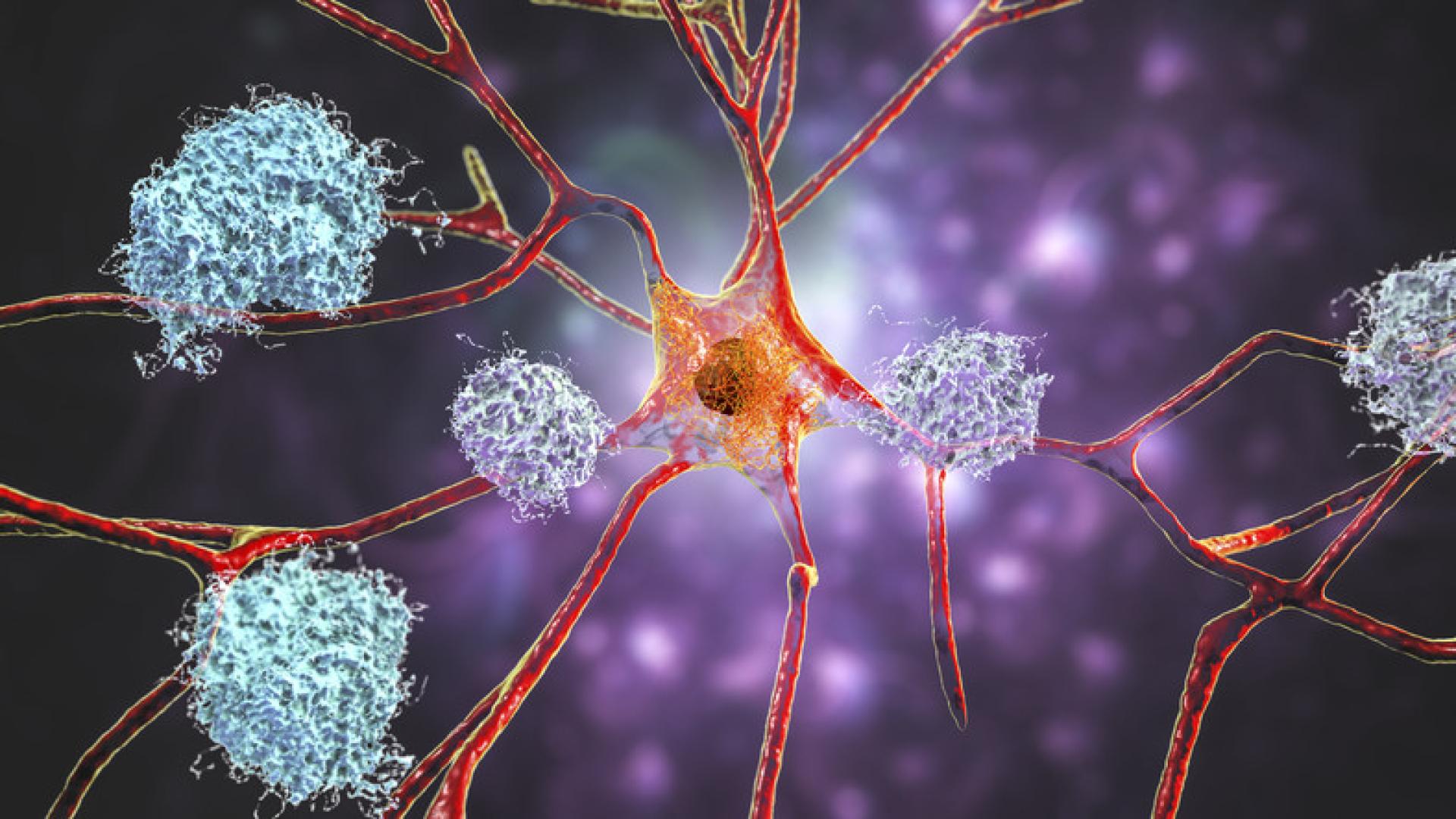
Researchers have developed a method to reprogram microglia—the brain’s resident immune cells—to actively clear amyloid-beta plaques, a primary hallmark of Alzheimer’s disease. This approach seeks to restore the natural phagocytic ability of these cells, potentially reversing cognitive decline by utilizing the brain’s own internal defense system rather than relying solely on external pharmaceutical agents.
How does reprogramming brain immune cells work to treat Alzheimer’s?
Microglia serve as the primary immune defense within the central nervous system. In a healthy brain, these cells act as scavengers, removing cellular debris and neutralizing pathogens. However, in patients with Alzheimer’s disease, microglia often undergo a functional shift. According to scientific reports on the mechanism, these cells frequently become dysfunctional or enter a chronic inflammatory state, where they stop clearing toxic proteins and instead release pro-inflammatory cytokines that damage healthy neurons.
The reprogramming process focuses on shifting microglia from this “disease-associated” state back to a “homeostatic” or “pro-phagocytic” state. By modulating specific genetic pathways or using chemical signals, scientists can essentially “reset” the cells. Once reprogrammed, the microglia regain their ability to identify, engulf, and digest amyloid-beta plaques—the protein clumps that disrupt communication between synapses in the brain.
Key elements of the reprogramming process include:
- Phenotype Switching: Forcing the cell to move from a neurotoxic state to a neuroprotective state.
- Enhanced Phagocytosis: Increasing the rate at which microglia “eat” amyloid-beta aggregates.
- Inflammation Control: Reducing the secretion of harmful chemicals that contribute to brain atrophy.
Why is this different from current Alzheimer’s medications?
Most recently approved Alzheimer’s treatments, such as monoclonal antibodies, work by introducing lab-made proteins into the bloodstream. These antibodies travel to the brain, bind to amyloid plaques, and signal the immune system to remove them. While effective in some cases, these treatments often face challenges regarding the blood-brain barrier and can cause side effects like ARIA (amyloid-related imaging abnormalities), which involves brain swelling or micro-hemorrhages.
Reprogramming the brain’s own immune cells represents a shift toward “endogenous therapy.” Instead of adding an external agent to do the work, this method optimizes the tools already present in the patient’s brain. This potentially reduces the need for repeated high-dose infusions and targets the root cause of the immune failure within the brain’s microenvironment.
| Feature | Monoclonal Antibodies (External) | Microglial Reprogramming (Internal) |
|---|---|---|
| Mechanism | External proteins bind to plaques | Resetting brain’s own immune cells |
| Delivery | Intravenous infusion | Genetic or chemical modulation |
| Primary Goal | Plaque removal via external signaling | Restoring innate cellular function |
| Risk Profile | Risk of ARIA (swelling/bleeding) | Risk of over-activation/inflammation |
The biological role of microglia in neurodegeneration
To understand why reprogramming is necessary, one must examine the lifecycle of a microglial cell. In a youthful or healthy brain, microglia are highly mobile. They constantly survey the environment, pruning weak synapses and clearing out metabolic waste. This process is essential for neuroplasticity and cognitive health.
In the progression of Alzheimer’s, the accumulation of amyloid-beta creates a toxic environment. Initially, microglia swarm these plaques to clear them. However, prolonged exposure to these toxins causes the microglia to become “exhausted” or “senescent.” According to research into neuroinflammation, these cells eventually stop being helpful and start contributing to the disease. They trigger a cycle of chronic inflammation that kills neurons and accelerates the loss of memory and executive function.
The “reprogramming” breakthrough targets the molecular switches that govern these states. By identifying the proteins that trigger the transition from “protector” to “destroyer,” scientists can intervene to keep the cells in their protective mode or flip them back if they have already transitioned.
“The goal is not simply to kill the plaques, but to restore the brain’s natural ability to keep itself clean.”
What are the potential risks and challenges of this approach?
Despite the promise, reprogramming immune cells in the brain is a high-risk operation. The immune system is a delicate balance; too little activity allows plaques to grow, but too much activity can lead to an “immune storm” or autoimmune response where the brain begins attacking healthy tissue.
The Blood-Brain Barrier (BBB) Challenge
One of the primary hurdles is delivery. The blood-brain barrier is designed to keep foreign substances out of the brain. Delivering the reprogramming agents—whether they are small molecules, mRNA, or viral vectors—requires sophisticated delivery systems. Researchers are currently exploring nanoparticles and focused ultrasound to bypass this barrier without causing permanent damage.
Precision and Specificity
Not all microglia are the same. There are different subpopulations of these cells throughout the brain. Reprogramming them indiscriminately could lead to unintended consequences in regions of the brain that are not affected by Alzheimer’s. Ensuring that only “disease-associated” microglia are targeted is a critical requirement for human safety.
Long-term Stability
Scientists must determine if the “reprogrammed” state is permanent or if the cells will eventually revert to their dysfunctional state due to the surrounding toxic environment. If the reprogramming is temporary, patients might require periodic “booster” treatments to maintain the brain’s cleaning efficiency.
How does this fit into the broader “Amyloid Hypothesis”?
For decades, the “Amyloid Hypothesis” has dominated Alzheimer’s research. This theory posits that the accumulation of amyloid-beta plaques is the primary driver of the disease. However, many drug trials failed even when they successfully cleared the plaques, leading some scientists to question the theory.
The current research into microglial reprogramming suggests that the problem isn’t just the presence of plaques, but the failure of the response to those plaques. This adds a necessary layer of nuance to the hypothesis: plaques are the trigger, but the dysfunctional immune response is the engine that drives the actual degeneration of the brain.
By focusing on the immune cells, researchers are moving toward a multi-target approach. This may involve combining microglial reprogramming with other therapies, such as those targeting tau proteins (the “tangles” inside neurons) or metabolic interventions to improve brain glucose utilization.
For more on the evolution of these theories, see a related explainer on the Amyloid Hypothesis vs. Tau Hypothesis.
Clinical timeline and what to expect next
Currently, much of this work has been conducted in in vitro (cell culture) and animal models, primarily using transgenic mice that develop human-like Alzheimer’s plaques. In these models, reprogrammed microglia have shown a significant ability to reduce plaque load and improve spatial memory and learning capabilities.
The transition to human clinical trials involves several rigorous phases:
- Safety Testing (Phase I): Determining the safe dose and ensuring the reprogramming agent does not cause systemic toxicity or brain swelling.
- Efficacy Testing (Phase II): Using PET scans to see if amyloid plaques are actually decreasing in human patients.
- Cognitive Assessment (Phase III): Measuring whether the reduction in plaques translates to a measurable improvement in memory and daily functioning.
Industry analysts suggest that while we are seeing breakthroughs in the lab, a widely available “reprogramming therapy” may still be years away due to the complexity of human neuroanatomy compared to animal models.
Common misconceptions about brain immune cell therapy
There is often confusion between “stem cell therapy” and “immune cell reprogramming.” Stem cell therapy involves introducing new cells into the brain to replace dead neurons. Reprogramming, however, does not add new cells; it changes the behavior of cells that are already there. This is generally considered a safer approach because it avoids the risk of graft-versus-host disease or the formation of tumors (teratomas) sometimes associated with stem cells.
Another misconception is that “inflammation is always bad.” In the early stages of Alzheimer’s, inflammation is actually a helpful response—it is the brain’s attempt to fight the disease. The goal of reprogramming is not to eliminate inflammation entirely, but to shift it from “chronic/destructive” inflammation to “acute/productive” inflammation.
The impact on future Alzheimer’s diagnostics
If microglial reprogramming becomes a viable treatment, it will change how doctors diagnose the disease. Currently, diagnosis often relies on cognitive tests and late-stage imaging. In the future, clinicians may look for “immune biomarkers”—specific signals in the cerebrospinal fluid that indicate microglia have shifted into a dysfunctional state.
This would allow for “preventative reprogramming.” Instead of waiting for massive plaque buildup and memory loss, doctors could treat patients as soon as their immune cells begin to fail, potentially stopping Alzheimer’s before it ever manifests as dementia.
Further research into these biomarkers may be found in a related report on early Alzheimer’s detection methods.
Frequently Asked Questions
Can this treatment cure Alzheimer’s entirely?
Currently, this is viewed as a disease-modifying therapy rather than a complete cure. While it can clear plaques and potentially restore some function, it may not be able to regrow neurons that have already died. The goal is to halt progression and recover lost cognitive ground.
Is this a form of gene therapy?
It can be. Some reprogramming methods use viral vectors to deliver new genetic instructions to the microglia. However, other methods use “small molecule” drugs or proteins that change cell behavior without altering the DNA permanently.

When will this be available to the general public?
The technology is still in the experimental and pre-clinical stages. It must pass through multiple phases of human trials to ensure safety and efficacy before receiving regulatory approval from bodies like the FDA or EMA.
Will this work for all types of dementia?
This specific research targets amyloid-beta plaques, which are characteristic of Alzheimer’s. Other forms of dementia, such as Vascular Dementia or Frontotemporal Dementia, have different biological drivers and would require different reprogramming targets.
Does this require brain surgery?
Researchers are working to avoid invasive surgery. The primary goal is to develop delivery mechanisms—such as specialized nanoparticles or modified viral capsids—that can be administered intravenously and cross the blood-brain barrier on their own.
