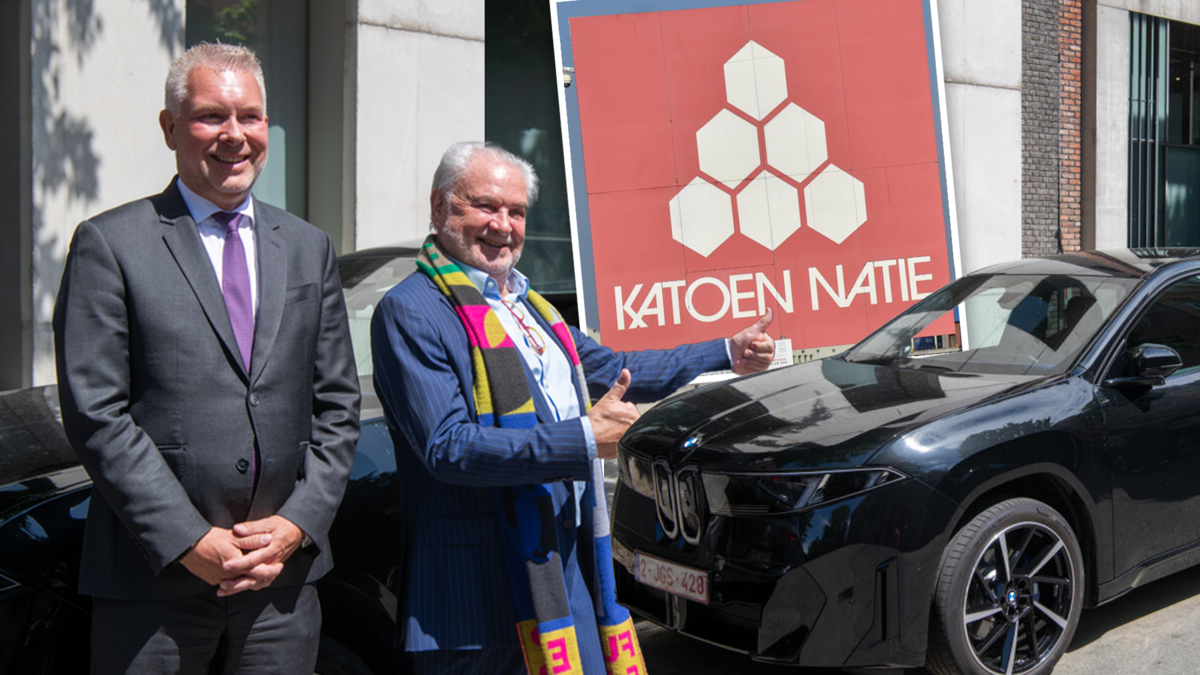
Katoen Natie and BMW Group Belux have signed an agreement for the largest-ever order of electric vehicles from a single automaker in Belgium. The deal focuses on the large-scale electrification of the company’s corporate fleet as part of a broader global sustainability initiative.
- Order Volume: 1,000 electric vehicles consisting of BMW and MINI models.
- Infrastructure Goal: Integration of the fleet into a local ecosystem of renewable energy production and smart energy management.
- Timeline: Full replacement of more than 1,000 internal combustion engine (ICE) vehicles by the end of 2027.
Scaling Electric Mobility in Belgium
The partnership between Katoen Natie and BMW Group Belux represents a record-breaking shift toward electric mobility within the Belgian corporate sector. By ordering 1,000 fully electric vehicles, Katoen Natie is transitioning its logistics and corporate transport away from traditional fossil fuels.
The agreement is not merely a procurement of hardware but a strategic move to decarbonize the company’s mobility footprint. The selection of BMW and MINI electric models serves as the primary vehicle for this transition, aiming to reduce the carbon intensity of the company’s daily operations.
Synergy with Energy Infrastructure
From a technical standpoint, the fleet electrification is designed to function as one component of a larger, integrated energy system. Katoen Natie has spent years developing a localized energy framework to reduce dependency on external grids and maximize efficiency.
For Katoen Natie, this investment sits within an integrated, long-term strategy centered on sustainability across all activities.
This framework combines three core technological pillars: renewable energy production, energy storage, and smart energy management. By coordinating these elements, the company aims to organize its energy consumption locally and independently. The introduction of 1,000 electric vehicles allows the company to leverage its existing energy storage and production capabilities to power its transport fleet, creating a closed-loop sustainability model.
Fleet Transition Timeline
The transition will occur in phases, with a definitive deadline set for the near future. According to the agreement, the company will replace more than 1,000 vehicles powered by internal combustion engines with fully electric alternatives by the end of 2027.
This systematic replacement ensures that the corporate fleet aligns with the company’s broader goal of decarbonizing its mobility and reducing overall operational emissions across its Antwerp and Bornem locations.
