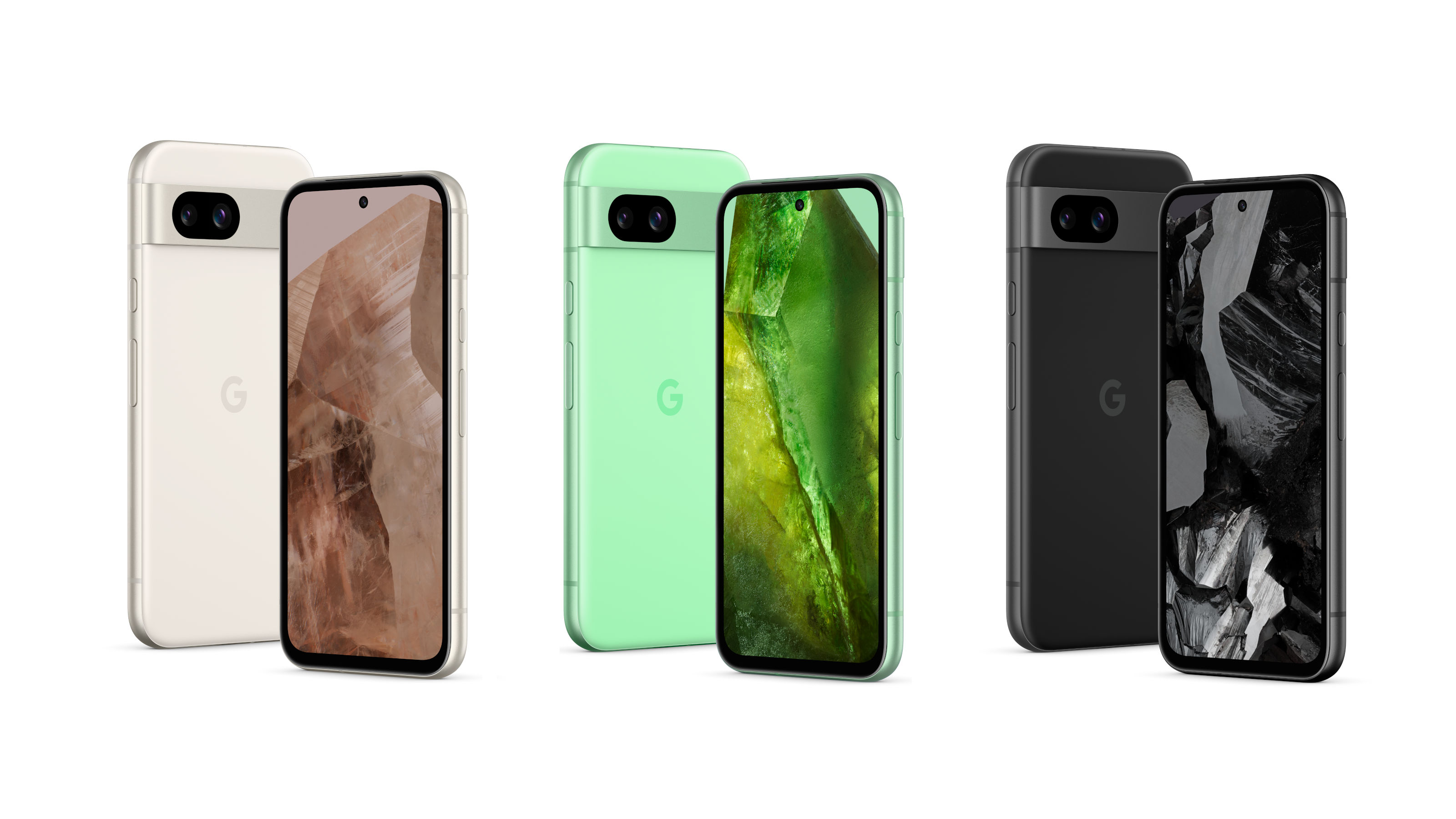
Google’s Budget Smartphone Strategy Sparks Tech Industry Price War
As the global smartphone market intensifies, Google’s aggressive pricing tactics for its Pixel 10a have ignited a fierce competition with established rivals and emerging brands. This development marks a pivotal shift in how tech companies approach affordability and innovation, setting new benchmarks for consumer expectations. The strategic moves by Google, alongside the introduction of the Nothing Phone 4a Pro, signal a broader trend in the industry where price points are becoming as critical as technological advancements.
The Rise of Affordable Flagship Technology
Google’s decision to significantly reduce the price of the Pixel 10a has not only caught the attention of budget-conscious consumers but also disrupted the traditional pricing models of the smartphone industry. The standard Pixel 10, once priced at $799, now retails at an all-time low of $549 in select markets, representing a 25% discount. This strategic pricing move has prompted speculation about how other manufacturers will respond, particularly in light of the competitive landscape dominated by Apple and Samsung.

Industry analysts note that Google’s approach is a calculated risk, aimed at capturing a larger market share by making flagship technology accessible to a broader audience. This strategy has proven effective, with reports indicating that Google’s early discounts on the Pixel 10 lineup outperformed both Samsung and Apple in promotional value during the pre-Black Friday period. The company’s ability to offer high-end features at a lower price point has redefined consumer expectations, pushing competitors to reconsider their own pricing strategies.
Competitors in the Crosshairs
The aggressive pricing strategy by Google has not gone unnoticed by its competitors. Apple and Samsung, traditionally known for their premium pricing, are now under pressure to adjust their own strategies to remain competitive. The introduction of the Nothing Phone 4a Pro, which offers comparable features at a lower price, has further intensified the competition. This rivalry is expected to drive innovation and potentially lead to more affordable high-end devices in the coming years.
Industry experts suggest that the current market dynamics are a reflection of broader economic trends, where consumers are increasingly price-sensitive. This shift has forced manufacturers to balance innovation with affordability, leading to a new era of smartphone development. The success of Google’s pricing model may encourage other companies to adopt similar strategies, ultimately benefiting consumers through increased competition and better value for money.
Market Implications and Consumer Impact
The implications of Google’s pricing strategy extend beyond just the immediate financial benefits to consumers. The move has the potential to reshape the smartphone market, encouraging other manufacturers to innovate and reduce costs. This could lead to a more diverse range of devices that cater to different consumer
