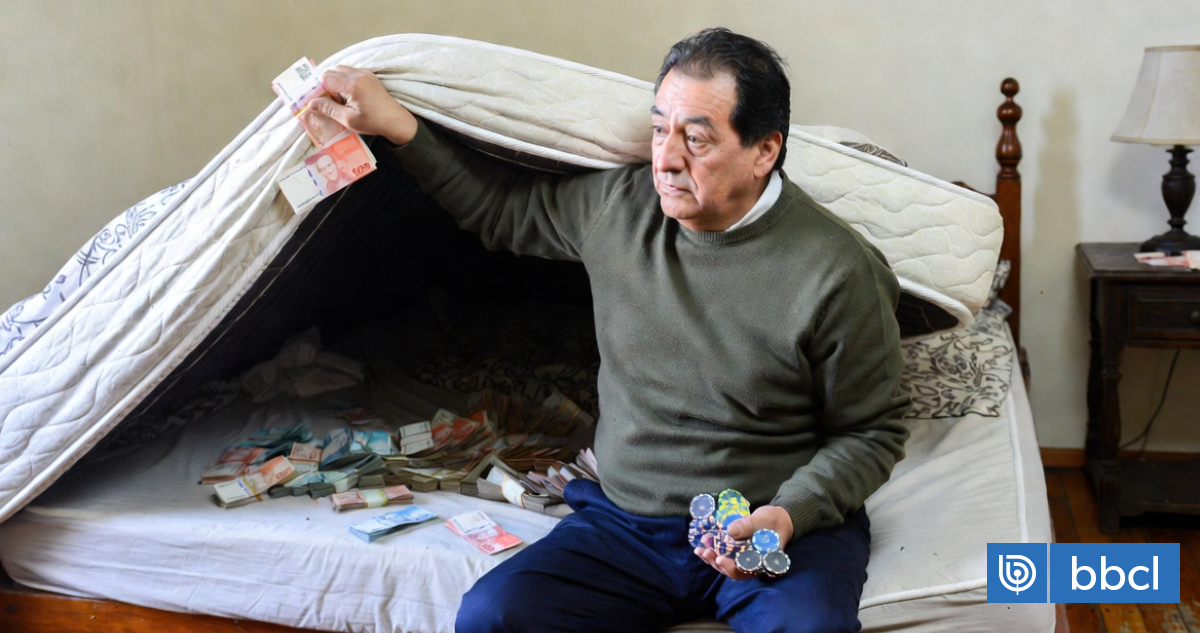
One in five people in Chile keep their savings in cash at home rather than in banks, according to reports from local media outlets including Diario Financiero and BioBioChile. This trend reflects a broader pattern of financial vulnerability and a reliance on high-risk activities, such as casino gambling, to supplement monthly income.
- 20% of the population prefers “under the mattress” savings over formal financial institutions.
- High-risk strategies, including betting and casinos, have become common methods for seeking extra cash.
- Financial instability is driven by low saving capacity and a lack of investment knowledge.
Why are Chileans avoiding formal savings?
A significant portion of the Chilean population avoids the formal banking system for their savings. According to Diario Financiero and BioBioChile, one out of every five individuals prefers to store their money physically at home. This behavior suggests a disconnect between the general public and available financial products, as well as a potential lack of trust in institutional savings mechanisms.

This preference for cash coincides with a documented struggle to build sustainable wealth. Reports from The Clinic indicate that Chileans currently exhibit a low capacity for saving and possess limited knowledge regarding how to execute basic investments.
How are citizens supplementing their income?
Faced with stagnant wages or insufficient funds, many Chileans are turning to unconventional and high-risk methods to increase their liquidity. According to ADN Radio, the “new formulas” for generating extra money include:

- Casino gambling and sports betting.
- Informal sales of goods and services.
The shift toward gambling as a financial strategy highlights a move away from traditional labor-based income increases, opting instead for high-variance outcomes to meet immediate financial needs.
What is driving this financial vulnerability?
The reliance on cash and gambling is a symptom of deeper economic anxiety. According to 24horas, a large segment of the population operates under a constant state of financial instability.
Gran parte de los chilenos vive con una sensación permanente de vulnerabilidad financiera
24horas
This perceived vulnerability, combined with the lack of investment literacy reported by The Clinic, creates a cycle where individuals are unable to move from survival-based spending to long-term wealth accumulation. Without the tools to navigate formal investment markets, a significant portion of the workforce remains exposed to economic shocks.
