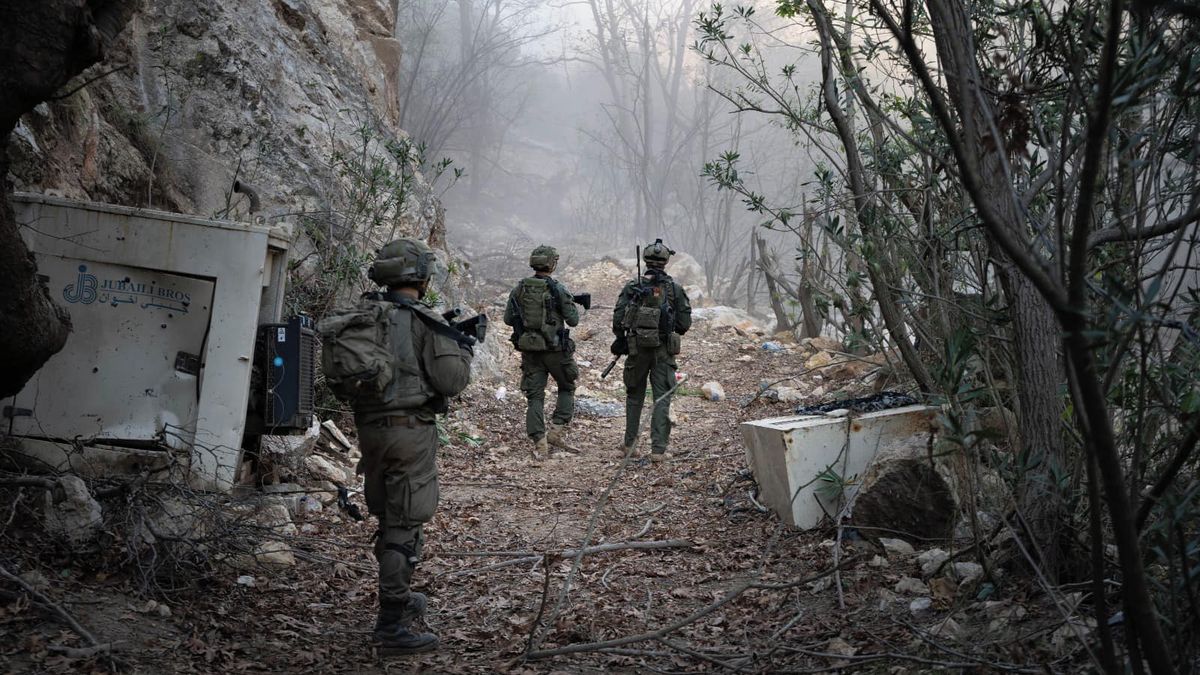
Israeli Prime Minister Benjamin Netanyahu confirmed on Thursday that troops will remain stationed in southern Lebanon, according to government officials. The statement came as defense minister Yoav Gallant reiterated that military units are maintaining positions in the disputed area, citing ongoing security concerns.
Ceasefire Agreement Between Israel and Hezbollah
A separate announcement revealed that Israel and Hezbollah have reached a preliminary ceasefire agreement, according to regional media outlets. The deal, still under negotiation, aims to de-escalate hostilities along the border following weeks of cross-border shelling. A senior Israeli official described the arrangement as “a temporary pause to allow for diplomatic discussions.”

Regional Tensions and Security Context
The decision to retain military forces in southern Lebanon underscores the fragile security situation in the region. Israel has maintained a de facto presence in the area since 2000, following its withdrawal from the territory after a 22-year occupation. Hezbollah, designated a terrorist organization by Israel and several Western countries, has repeatedly clashed with Israeli forces along the border, with both sides accusing each other of shelling civilian areas.
Analysts note that the ceasefire talks follow a surge in attacks, including Israeli airstrikes on Lebanese infrastructure and Hezbollah missile barrages targeting northern Israel. The agreement, if finalized, would mark the first major diplomatic breakthrough between the two sides since 2006, when a 34-day war left hundreds dead and widespread destruction.
Domestic and International Reactions
Domestic reactions in Israel remain divided. While some lawmakers praised the move as necessary for national security, opposition leaders criticized the lack of transparency in the negotiations. In Lebanon, officials described the ceasefire as a “positive step” but emphasized the need for a broader, lasting solution to the conflict.
International observers have called for caution. The United Nations Security Council has repeatedly urged both parties to avoid further escalation, while the European Union expressed hope that the agreement could serve as a foundation for long-term peace. However, no formal statements from major global powers were reported in the immediate aftermath of the announcement.
What’s Next
The next phase of negotiations is expected to focus on the withdrawal of Hezbollah forces from the border zone and the establishment of a UN-monitored buffer area. A senior Israeli military official stated that any decision to reduce the Israeli presence would depend on the stability of the ceasefire and the verification of Hezbollah’s compliance.
