Israeli forces conducted airstrikes on Beirut’s suburbs on Monday, marking a significant escalation in hostilities with Lebanon’s Hezbollah movement, according to local media reports. The strikes, which targeted multiple locations, resulted in at least three civilian casualties and prompted urgent evacuations in affected areas, as per official statements from Lebanese authorities.
The operation comes amid heightened tensions between Israel and Hezbollah, which has been conducting cross-border attacks in recent weeks. Israeli military officials confirmed the strikes, stating they were a response to a series of rocket attacks from southern Lebanon. A spokesperson for the Israel Defense Forces (IDF) said the targets included “military infrastructure and command centers” linked to the group.
U.S. President Donald Trump, who has previously advocated for a more restrained approach to Middle East conflicts, called on Israel to halt its operations in Lebanon. “I urge Israel to stop the attacks immediately and focus on a lasting agreement,” Trump said in a public statement. His remarks underscored ongoing U.S. concerns about the potential for broader regional instability.
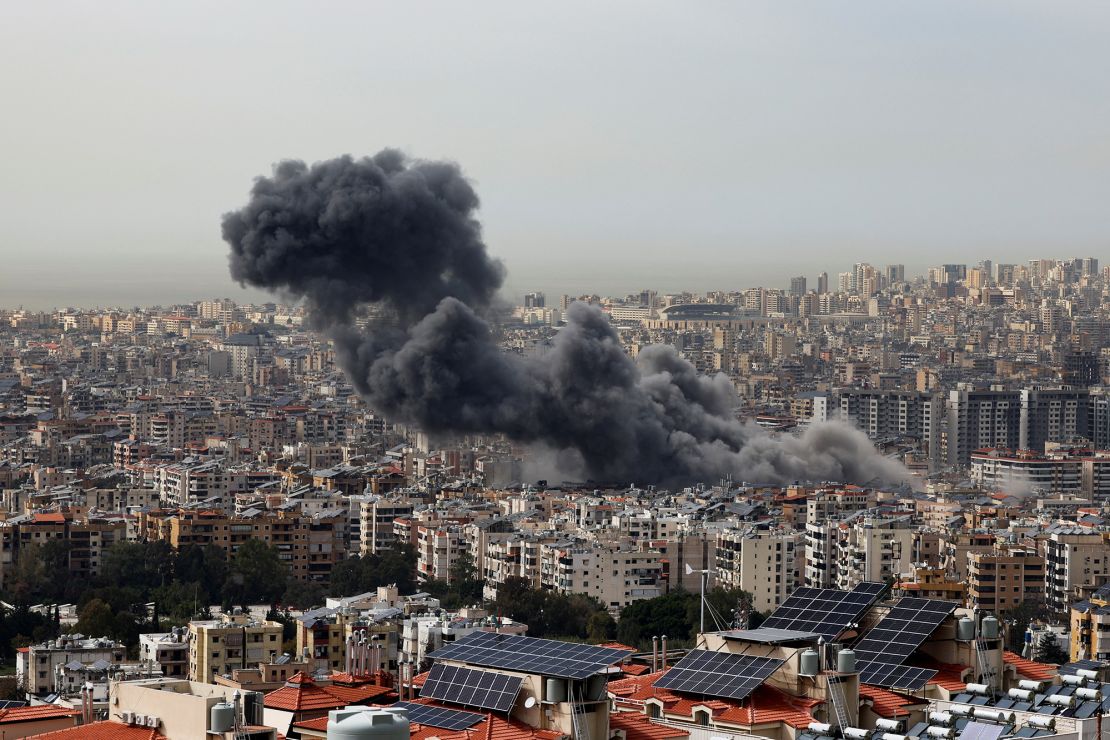
Hezbollah has not yet issued a formal response to the latest strikes, but the group has previously warned of escalating retaliation against Israeli targets. The conflict has raised fears of a wider war, particularly as both sides continue to reinforce their positions along the border. The United Nations has called for de-escalation, with a spokesperson urging “all parties to exercise restraint.”
The attack has also intensified pressure on regional actors to mediate. Qatar and Iran, which have historically supported Hezbollah, have reportedly been in communication with Lebanese officials to prevent further violence. However, no immediate diplomatic breakthroughs have been announced.
Local media in Lebanon reported that Israeli forces have evacuated thousands of residents near the border, citing “imminent threats.” The Lebanese government has requested international assistance to manage the humanitarian impact, including medical aid and shelter for displaced families.
Historically, tensions between Israel and Hezbollah have fluctuated between sporadic clashes and periods of relative calm. The 2006 Lebanon War, which lasted 34 days, left over 1,200 Lebanese and 160 Israeli civilians dead. Analysts warn that the current escalation could reignite similar levels of destruction if not addressed swiftly.
Regional observers note that the situation is further complicated by shifting alliances and domestic politics. In Israel, Prime Minister Benjamin Netanyahu’s government faces domestic pressure to demonstrate strength against Hezbollah, while in Lebanon, the government struggles to maintain control over armed groups within its borders.
As the situation develops, the international community remains watchful. The European Union has called for an immediate ceasefire, while Arab League officials have reiterated demands for Israel to withdraw from disputed territories. The next steps will likely depend on whether diplomatic efforts can prevent a full-scale confrontation.

The latest strikes have also drawn attention to the role of Iran in the region. Hezbollah, which is backed by Iran, has been accused by Israeli officials of receiving weapons and logistical support from Tehran. Iranian officials have denied these claims, but the connection remains a key point of contention in Middle East geopolitics.
For now, the focus remains on the immediate humanitarian impact. Lebanese hospitals report an influx of injured civilians, with many requiring urgent surgical care. Aid organizations have begun mobilizing resources, but access to affected areas remains limited due to ongoing fighting.
The conflict underscores the fragile balance of power in the Middle East, where historical grievances and modern military capabilities continue to shape the region’s security landscape. As both sides prepare for potential further escalation, the stakes for regional stability have never been higher.
