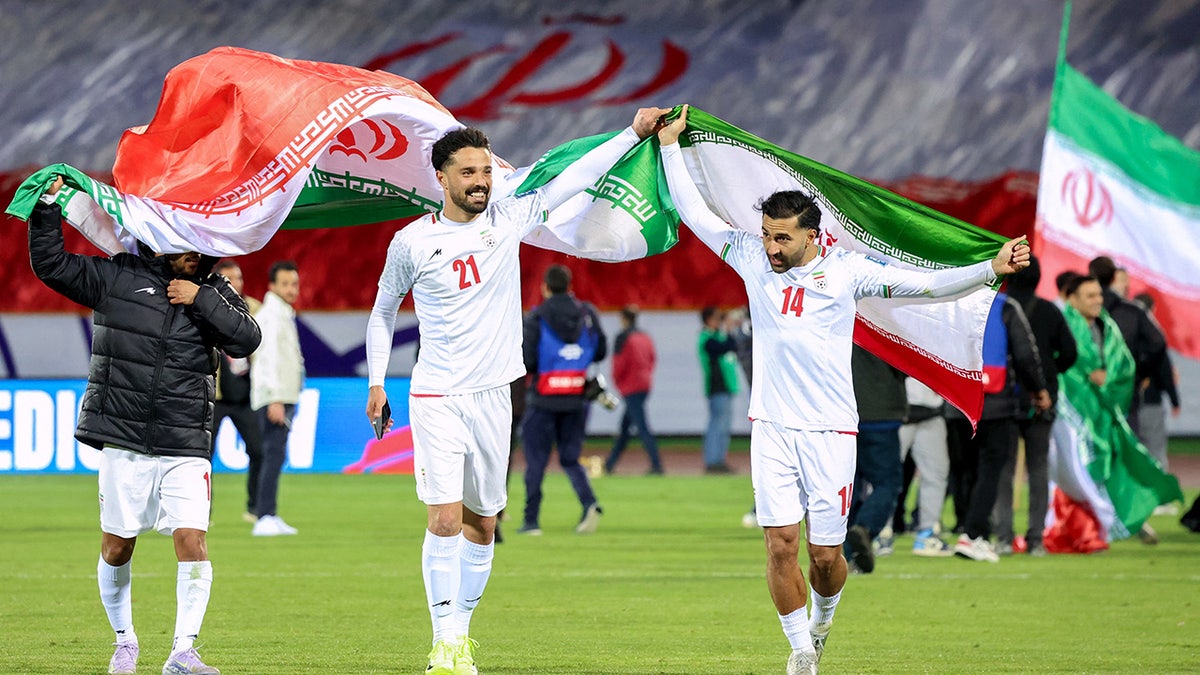
Iran says ticket allocation for World Cup withdrawn days before tournament – Reuters
Iran’s soccer federation reports that its allocated tickets for the World Cup were revoked just days before the tournament began, according to reports from Reuters, ESPN, and The New York Times. The move leaves Iranian fans without guaranteed access to matches as the national team prepares for competition.
What happened with the Iranian World Cup ticket allocation?
The Football Federation of the Islamic Republic of Iran has stated that the tickets designated for its supporters were withdrawn shortly before the tournament’s commencement. This claim, first detailed by Reuters and subsequently reported by ESPN and The New York Times, indicates a sudden loss of access for a significant portion of the team’s traveling support base.
Ticket allocations are typically handled through FIFA to ensure that qualifying nations have a designated number of seats for their fans, officials, and federation members. The revocation of these tickets suggests a breakdown in the administrative or political agreement between the governing body and the national federation.
Key details regarding the ticket row include:
- Timing: The revocation occurred “days before” the tournament started.
- Impact: Iranian fans who relied on federation-allocated tickets lost their access.
- Reporting: The story was corroborated across multiple major international news outlets, including Reuters, ESPN, and The New York Times.
“Iran’s Soccer Federation Says Its World Cup Tickets Have Been Revoked,” reports The New York Times, highlighting the friction between the national body and tournament organizers.
Why are Iranian players wearing pins in Mexico?
As the Iranian national team arrived in Mexico, players were observed wearing pins dedicated to the victims of a deadly strike on a school, according to AP News. This gesture introduces a layer of political expression into the team’s arrival, coinciding with the administrative dispute over ticket allocations.
The use of pins is a common method for athletes to signal solidarity or mourn victims of conflict without delivering formal speeches. By wearing these pins upon arrival in Mexico, the players have brought international attention to the humanitarian crisis involving the school strike, effectively turning their arrival into a platform for awareness.
This act of symbolism occurs against a backdrop of heightened tension. While the federation deals with the loss of tickets, the players are utilizing their visibility to address events outside the pitch, signaling a possible divergence between the team’s public image and the administrative struggles of the federation.
How does the ticket row fit into broader FIFA controversies?
The dispute over Iran’s ticket allocation does not exist in a vacuum. The Guardian reports that the “ticket row” is part of a larger set of challenges facing World Cup 2026 preparations, which include internal legal battles within football’s global leadership.
Specifically, The Guardian notes that Michel Platini has filed a complaint against FIFA President Gianni Infantino. While the Platini-Infantino dispute is a legal and administrative matter regarding the governance of FIFA, it reflects a period of instability and friction within the organization’s top tier of management.
The intersection of these events—the Iranian ticket revocation, the political statements by players, and the legal challenges against Infantino—suggests a volatile environment leading into the 2026 cycle. The Iranian ticket issue serves as a concrete example of how administrative decisions can directly impact national federations and their fans.
Comparative Reporting on the Iran Ticket Dispute
Different news organizations have emphasized different angles of this story. The following table outlines the focus of the primary reporting outlets:
| News Outlet | Primary Focus | Key Detail Provided |
|---|---|---|
| Reuters | Administrative Fact | Initial report of ticket allocation withdrawal. |
| ESPN | Fan Impact | Focus on the revocation of tickets for Iranian supporters. |
| The New York Times | Federation Stance | Direct reporting on the federation’s claim of revocation. |
| AP News | Player Activism | Observation of pins for school strike victims in Mexico. |
| The Guardian | Global Governance | Linking the row to Platini’s complaint against Infantino. |
What are the implications of revoked ticket allocations?
The withdrawal of ticket allocations has immediate logistical and psychological consequences. For the Iranian federation, the loss of these tickets means a reduced presence of official supporters in the stands, which traditionally provides a morale boost for the players during match days.
From a logistical standpoint, fans who may have already booked flights and hotels based on the expectation of allocated tickets now face significant financial losses. Because the revocation happened “days before” the tournament, the window for finding alternative ticketing options—which are often sold out or available only via expensive third-party resellers—is extremely narrow.
Furthermore, this incident may be viewed as a diplomatic slight. In international sports, ticket allocations are often seen as a sign of respect and recognition of a nation’s standing within the tournament. The revocation of these seats can be interpreted by the national federation as a targeted action, adding tension to the team’s competitive environment.
Potential consequences for the tournament:
- Reduced Fan Attendance: A noticeable drop in the Iranian contingent in the stadiums.
- Increased Tension: Friction between the Iranian Football Federation and FIFA officials.
- Player Distraction: The combination of the ticket row and the political weight of the school strike pins may distract the squad from match preparation.
For more information on how tournament logistics affect national teams, see our related explainer on FIFA ticket distribution policies.
Common misconceptions about the ticket revocation
One common misconception is that the tickets were “sold out” rather than “revoked.” According to the reporting from Reuters and The New York Times, the federation specifically claims the allocation was withdrawn. This is a distinct action from a lack of availability; it implies that tickets that were previously promised or held for the federation were taken back by the issuing authority.
Another misunderstanding involves the nature of the pins worn by players. Some may assume the pins are official team gear or tournament-sanctioned symbols. However, AP News clarifies that these pins are specifically for the victims of a deadly strike on a school, marking them as a political and humanitarian statement rather than a sporting one.
Finally, there is a tendency to link the ticket revocation directly to the Platini-Infantino dispute. While The Guardian mentions both in the context of World Cup 2026 news, there is currently no verified evidence that the legal complaint filed by Platini is the direct cause of the Iranian ticket withdrawal. They are concurrent events reflecting a broader atmosphere of turmoil within FIFA.
Frequently Asked Questions
Who reported that Iran’s World Cup tickets were withdrawn?
The news was reported by Reuters, ESPN, and The New York Times, all citing claims made by Iran’s soccer federation.

When did the ticket revocation happen?
According to the reports, the tickets were withdrawn just days before the tournament began.
Why were Iranian players wearing pins when they arrived in Mexico?
AP News reported that the players wore pins to honor the victims of a deadly strike on a school.
Is there a connection between the ticket row and Gianni Infantino?
While The Guardian reports on the ticket row and a complaint filed by Michel Platini against FIFA President Gianni Infantino in the same news cycle, a direct causal link between the two has not been officially established.
How does this affect Iranian fans?
Fans who were relying on the federation’s ticket allocation lost their guaranteed access to the matches, potentially leaving them without tickets despite having made travel arrangements.
The situation remains fluid as the tournament progresses. The Iranian federation’s ability to resolve the ticket dispute and the team’s handling of the surrounding political tensions will be key factors in their overall experience at the event.
