
Trump claims Iran shot down US helicopter and vows to ‘respond’
Donald Trump has alleged that Iran shot down a United States Army helicopter, stating that the U.S. “must respond” to the incident. According to reports from the BBC, a sea drone rescued the crew near the Strait of Hormuz, while The Guardian and The Irish Times focused on the former president’s demands for retaliation.
What happened during the helicopter incident near the Strait of Hormuz?
A U.S. Army helicopter went down in the waters near the Strait of Hormuz, a critical maritime chokepoint between Oman and Iran. While official military channels have provided limited immediate detail, Donald Trump publicly attributed the crash to Iranian aggression. According to The Guardian, Trump explicitly blamed Iran for the downing of the aircraft and asserted that the United States cannot allow such an action to go unanswered.
The rescue operation involved unconventional technology. The BBC reports that a sea drone was instrumental in rescuing the helicopter crew from the water. This use of unmanned surface vehicles (USVs) for search and rescue in a high-tension zone marks a specific tactical detail in the event, contrasting with the broader political rhetoric surrounding the crash.
The Strait of Hormuz is one of the most volatile waterways in the world. It serves as the primary exit point for oil exports from the Persian Gulf. Any military incident in this region typically triggers immediate international concern due to the potential for disrupted global energy supplies.
Key details of the event:
- Location: Near the Strait of Hormuz.
- Asset involved: U.S. Army helicopter.
- Rescue method: Sea drone intervention, according to the BBC.
- Primary allegation: Iran shot down the aircraft, according to Donald Trump.
Why does Donald Trump claim the US ‘must respond’?
Donald Trump has framed the downing of the helicopter as a direct provocation that requires a military or strategic countermeasure. According to RTE.ie and The Irish Times, Trump stated that the U.S. “must respond,” suggesting that a lack of action would be perceived as weakness by Tehran. This rhetoric aligns with his previous administration’s “maximum pressure” campaign against the Iranian government.
“The US must respond,” Trump stated, according to reports from The Guardian and RTE.ie, following his claims that Iran was responsible for the helicopter crash.
The demand for a response comes amid a period of heightened regional instability. By calling for retaliation, Trump is positioning the incident not as an isolated accident, but as a deliberate act of war. This framing puts pressure on current U.S. defense policy and forces a public conversation on the threshold for military engagement in the Persian Gulf.
Analysts often point to the “cycle of escalation” in this region. When one party claims a provocation, the pressure to respond is driven by the need to maintain deterrence. Trump’s public statements leverage this logic, arguing that the credibility of U.S. power depends on a visible reaction to Iranian actions.
How does the rescue by a sea drone change the narrative?
While the political focus has remained on Trump’s vows to respond, the BBC’s reporting on the sea drone rescue introduces a technical dimension to the story. The use of a sea drone to save the crew suggests that the U.S. is deploying autonomous systems not just for surveillance or attack, but for rapid recovery in contested waters.
This detail provides a contrast to the narrative of vulnerability. While the loss of a helicopter is a setback, the successful recovery of the crew via unmanned technology demonstrates a capability that may reduce the risk to human rescuers in “hot” zones. This shift in rescue tactics is a significant development in naval warfare and search-and-rescue (SAR) operations.
The integration of drones in the Strait of Hormuz is not new, but using them for crew recovery in the immediate aftermath of a suspected shoot-down is a specific application of the technology. It indicates a layered approach to security where unmanned systems act as the first line of response to minimize further American casualties.
What is the broader context of Iran’s current regional conflicts?
The incident involving the U.S. helicopter does not occur in a vacuum. According to The New York Times, the broader regional landscape is currently defined by a complex “shadow war” between Iran and Israel. Recent updates indicate that Israel has carried out strikes in Southern Lebanon, following a period where Iran and Israel appeared to pull back from direct, large-scale attacks against one another.
The tension in the Strait of Hormuz is often linked to events in Lebanon, Syria, and Gaza. Iran utilizes a network of proxies—often referred to as the “Axis of Resistance”—to apply pressure on U.S. and Israeli interests. When tensions rise between Israel and Iran, the Strait of Hormuz often becomes a secondary theater where Iran can signal its ability to disrupt global trade or challenge U.S. naval hegemony.
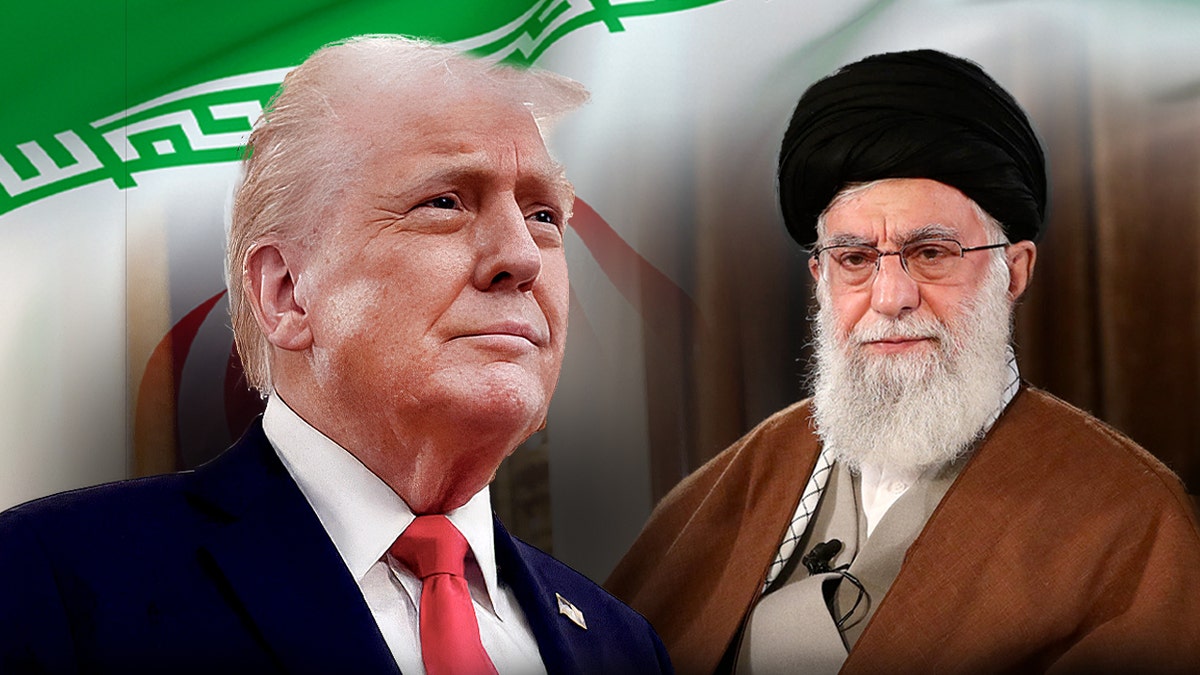
This interconnectedness means that a “response” to the helicopter incident could be influenced by what is happening in Lebanon. If the U.S. perceives the helicopter downing as part of a coordinated Iranian effort to distract from or escalate regional conflicts, the response may be more severe.
Regional Tension Matrix:
| Conflict Zone | Primary Actors | Current Status (per NYT/BBC) |
|---|---|---|
| Strait of Hormuz | USA vs. Iran | High tension; alleged helicopter shoot-down. |
| Southern Lebanon | Israel vs. Hezbollah/Iran | Ongoing Israeli strikes; fragile pullback. |
| Persian Gulf | USA, Iran, Gulf Allies | Increased surveillance and drone activity. |
Comparing media coverage: Political rhetoric vs. tactical facts
There is a noticeable difference in how various news outlets have framed this story. The Irish Times, RTE.ie, and The Guardian have focused heavily on the political implications and the rhetoric of Donald Trump. Their reporting emphasizes the “vow to respond” and the potential for diplomatic or military escalation. This framing treats the story primarily as a political event and a test of U.S. foreign policy.
In contrast, the BBC’s coverage foregrounds the tactical reality: the rescue of the crew by a sea drone. By focusing on the rescue, the BBC provides a factual counter-balance to the political claims, highlighting the outcome (crew saved) over the accusation (Iran shot it down). This distinction is critical for readers trying to separate verified events from political allegations.
The New York Times provides the widest lens, placing the helicopter incident within the larger geopolitical struggle involving Israel and Lebanon. While the other outlets treat the incident as a bilateral issue between the U.S. and Iran, the NYT frames it as one piece of a regional puzzle, suggesting that the “response” Trump calls for will be weighed against the stability of the entire Middle East.
For those seeking more context on how regional conflicts shift, a related explainer on Middle East proxy wars may provide further depth.
What are the potential implications of a US response?
If the United States decides to follow the path suggested by Donald Trump and “respond” to the alleged shoot-down, several scenarios are possible. These range from low-level diplomatic sanctions to direct military strikes.
Diplomatic and Economic Escalation
The most immediate response would likely be the imposition of new sanctions on Iranian officials or entities linked to the Islamic Revolutionary Guard Corps (IRGC). This is a standard tool used by the U.S. to signal displeasure without triggering a full-scale war. However, given Trump’s rhetoric, he likely views sanctions as insufficient in this specific instance.
Cyber and Asymmetric Warfare
The U.S. may opt for a “gray zone” response, such as cyberattacks against Iranian infrastructure. This allows the U.S. to retaliate while maintaining a level of deniability, reducing the likelihood of a conventional military escalation that could close the Strait of Hormuz.
Kinetic Military Action
A direct military strike on Iranian assets—either within Iran or in proxy territories—is the most extreme option. Such an action would likely lead to a symmetric response from Tehran, potentially targeting U.S. bases in Iraq or Syria, or interfering with commercial shipping in the Gulf. This scenario is what most international observers fear, as it could lead to a spike in global oil prices and a wider regional war.

Common misconceptions about the Strait of Hormuz incidents
Many observers assume that any incident in the Strait of Hormuz is a prelude to a full-scale invasion or a total blockade. However, historical data suggests that Iran often uses “calculated provocation.” By downing a drone or harassing a ship, Tehran can signal its power and dissatisfaction without actually crossing the line into total war.
Another misconception is that the U.S. always responds with force. In reality, the U.S. often employs a strategy of “calibrated response,” where the retaliation is designed to be just enough to deter further aggression but not enough to force the opponent into a corner where they must fight to survive.
Finally, there is the assumption that the “rescue” is a secondary detail. In modern warfare, the ability to recover personnel using autonomous systems (like the sea drone mentioned by the BBC) is a primary strategic goal. It changes the risk-reward calculation for the U.S. military, allowing them to operate in dangerous waters with a higher confidence in crew recovery.
Frequently Asked Questions
Did Iran officially admit to shooting down the US helicopter?
Based on the provided reports, there is no mention of an official admission from the Iranian government. The claim that Iran shot down the helicopter comes from Donald Trump.
Who rescued the crew of the downed helicopter?
According to the BBC, a sea drone was used to rescue the U.S. Army helicopter crew near the Strait of Hormuz.
Why is the Strait of Hormuz so important?
The Strait of Hormuz is a vital maritime chokepoint. A significant portion of the world’s oil passes through this narrow waterway, making any military conflict there a threat to global energy security and economic stability.
What is the connection between this incident and Israel?
According to The New York Times, the region is currently volatile due to conflicts between Israel and Iranian-backed forces in Lebanon. Incidents involving the U.S. and Iran often occur alongside these broader regional tensions.
What does “must respond” mean in a military context?
In this context, it refers to the concept of deterrence. The argument is that if a provocation is left unanswered, the adversary will be emboldened to carry out more severe attacks in the future.
For further reading on maritime security, you may find a related explainer on naval drone technology useful.
