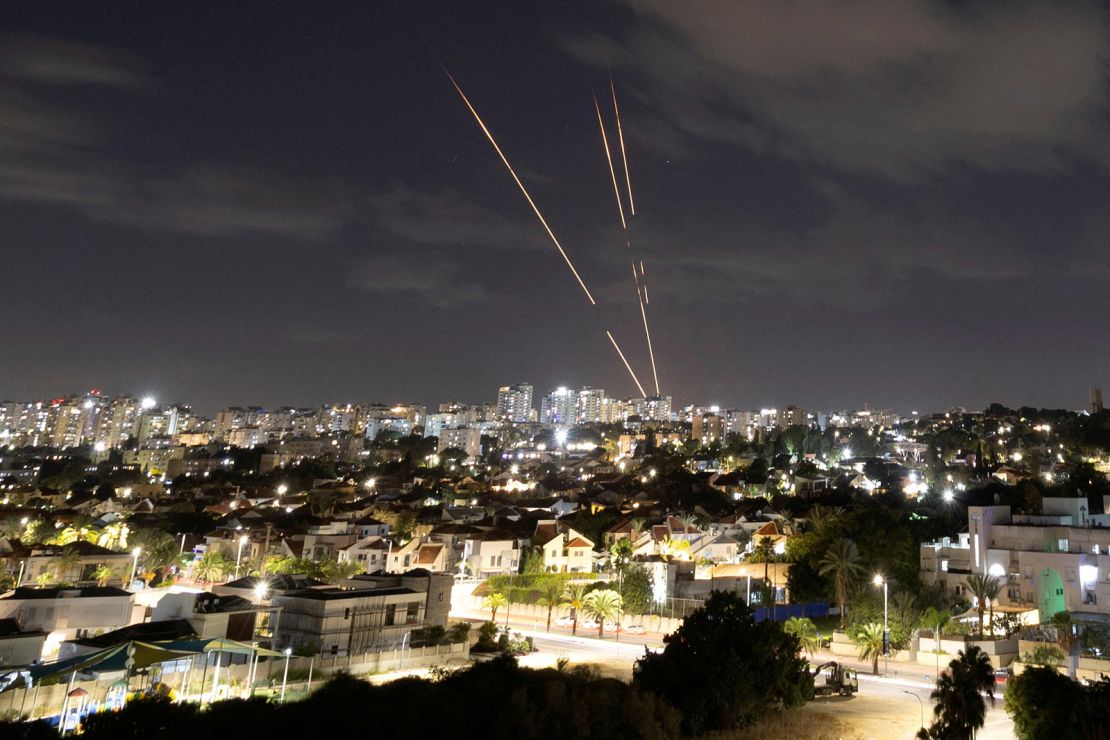
Iran launched a barrage of missiles and drones toward Israel in a rare escalation Monday, marking the first direct attack on Israeli territory since a fragile cease-fire took hold last month. The strike came as Tehran sought to “restore deterrence” without triggering a full-scale regional war, according to Iranian military statements, while Israel’s government signaled it would respond “with force” once cleared by political leaders.
Why This Attack Breaks a Delicate Cease-Fire
The missile strikes—confirmed by Israeli air defense systems—targeted military sites in the Negev Desert and northern Israel, though no casualties were reported. The attack violates the terms of a recent diplomatic push led by the U.S. and regional mediators to prevent further conflict after months of cross-border attacks between Iran-backed groups and Israeli forces. According to public statements from Iranian officials, the operation was designed to counter perceived Israeli aggression while avoiding civilian casualties, a strategy that has characterized Tehran’s approach since the April 2024 Gaza war.
A video released by Iranian state media showed the launch sequence from a military base in western Iran, timed to coincide with Israeli Prime Minister Benjamin Netanyahu’s scheduled visit to Washington for talks with President Donald Trump.
Israel’s Calculated Restraint—and Trump’s Urgent Appeal
Netanyahu’s government has not yet authorized a military response, though Israeli Defense Forces (IDF) spokesperson Daniel Hagari stated in a televised address that “the green light for a decisive reply remains under review by the political leadership.” The delay reflects Israel’s long-standing doctrine of proportional retaliation, but also the high stakes of triggering a wider conflict with Iran, a regional power with deep influence over proxy groups in Iraq, Syria, and Lebanon.

Trump, who has positioned himself as a potential mediator in the escalation, publicly urged Netanyahu to “hold fire” during a call Monday evening. “This agreement is now subject to finalization,” Trump said in a statement released through his campaign team. “We cannot afford another spiral of violence.” The comment came as U.S. officials scrambled to convene an emergency session of the UN Security Council, though no consensus has emerged on a unified response.
What This Means for Regional Stability
The attack underscores Iran’s shifting strategy in the Middle East: rather than direct confrontation, Tehran appears to be testing Israel’s resolve through limited strikes while leveraging diplomatic channels to prevent retaliation. Analysts note that Iran has avoided similar escalations since the 2020 assassination of its top nuclear scientist, Qasem Soleimani, instead favoring asymmetric warfare through proxies like Hezbollah and Palestinian factions.
For Israel, the challenge lies in deterring future attacks without provoking a broader war. The IDF’s Iron Dome system intercepted most of the incoming projectiles, but the psychological impact of Iranian missiles striking Israeli soil—even without casualties—cannot be underestimated. Historically, such breaches have led to tit-for-tat cycles, as seen in the 2019 strikes on oil tankers in the Persian Gulf and the 2020 cyberattacks attributed to Iranian hackers.
Fast Facts
- Target: Military sites in southern and northern Israel; no civilian areas hit.
- Timing: Strikes occurred during Netanyahu’s U.S. visit, complicating diplomatic efforts.
- Iran’s Claim: “Restoring deterrence” without escalation to full war.
- Israel’s Response: Waiting for political clearance; IDF on high alert.
- U.S. Role: Trump calls for restraint; UN Security Council convening.
The Next Moves: Diplomacy or Retaliation?
With no immediate Israeli response confirmed, the focus has shifted to diplomatic channels. Iranian Foreign Minister Hossein Amir-Abdollahian stated in a press conference that “Tehran remains committed to dialogue,” while Israeli officials have not ruled out targeted airstrikes on Iranian military assets in Syria or Iraq. The coming days will determine whether this attack marks a new phase of controlled escalation—or the unraveling of the cease-fire.