
Indonesia Politics: Heavyweights Challenge Prabowo as Election Results Shift
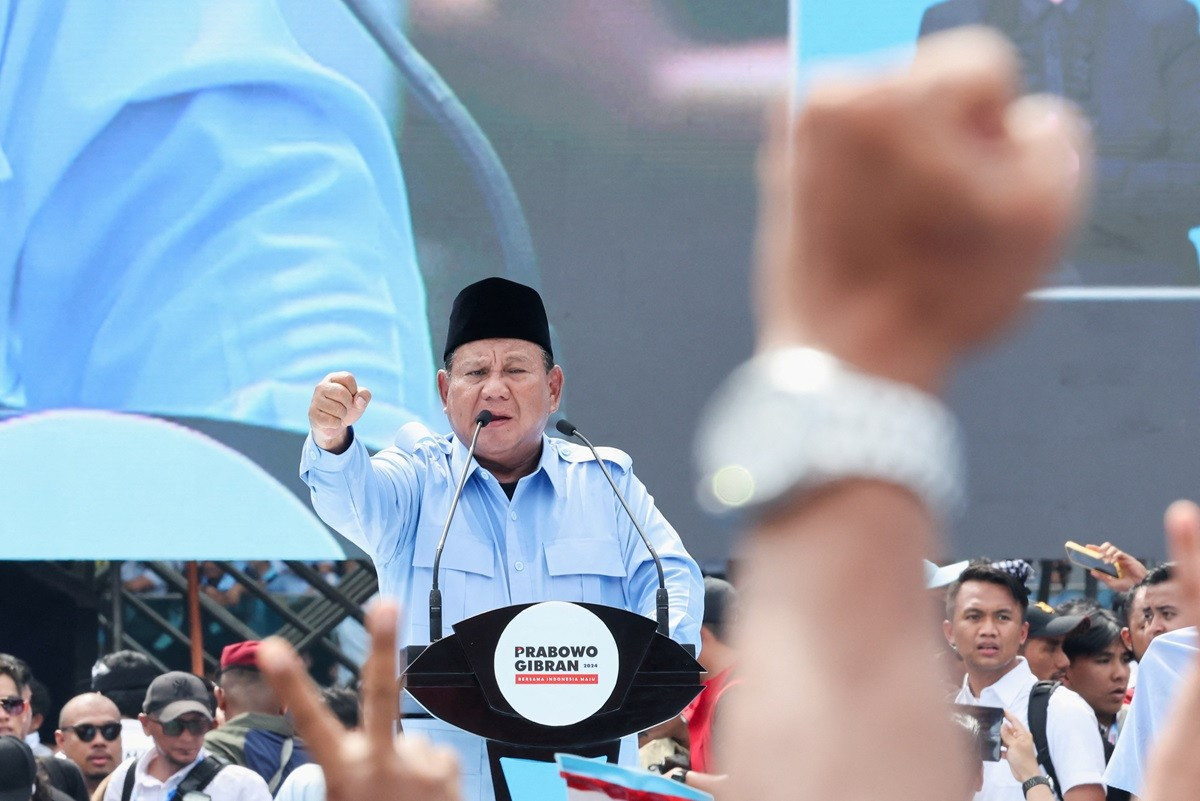
Prabowo Subianto currently maintains a lead in the Indonesian presidential race according to Digital Journal, though reports from Batam News Asia and The Straits Times indicate a shifting power dynamic as political heavyweights challenge his trajectory. Voting took place on Valentine’s Day amid significant flooding in several regions, as reported by The Jakarta Post, adding logistical complexity to the electoral process.
Who is leading the race in Indonesia politics: heavyweights challenge Prabowo – The Straits Times?
According to Digital Journal, Prabowo Subianto leads the presidential race by a wide margin with approximately half of the votes counted. This early data suggests a strong initial performance for the candidate, positioning him as the frontrunner in the current tally. However, the narrative of a decisive victory is being contested by other regional and international reports.
Batam News Asia characterizes the current situation as a “Power Shift,” reporting that Prabowo has begun to falter. This outlet suggests that political heavyweights are now eyeing an opening to challenge his lead. This contrast in reporting highlights a tension between the raw vote counts provided by some sources and the political momentum analyzed by others.
The Straits Times has also focused on the emergence of these political heavyweights who are challenging Prabowo’s dominance. In the Indonesian political system, where coalitions can shift rapidly, the movement of influential figures—often referred to as “heavyweights”—can alter the outcome of an election even when a candidate holds an early lead.
- Prabowo Subianto: Currently leading based on partial counts (Digital Journal).
- Political Heavyweights: Actively challenging the current lead and seeking openings (The Straits Times, Batam News Asia).
- The Electorate: Voted on Valentine’s Day despite environmental challenges (The Jakarta Post).
How did environmental factors and timing affect the Indonesian vote?
The Jakarta Post reports that Indonesians cast their votes on Valentine’s Day, a timing that coincided with both a romantic holiday and severe weather conditions. The report notes that floods impacted various parts of the country, forcing voters to navigate water-logged streets to reach polling stations.
These floods created significant hurdles for the General Elections Commission (KPU) and the voters. In affected areas, the physical act of voting became a struggle, with some citizens reporting a mix of “floods to love hearts” as they balanced the festive atmosphere of Valentine’s Day with the urgency of the democratic process. The environmental disruption typically affects voter turnout in rural or flood-prone provinces, which can skew early results until all ballots are tabulated.
The logistical strain of managing an election during natural disasters is a recurring theme in Indonesian politics. When flooding occurs, the transport of ballot boxes from remote polling stations to central counting hubs is often delayed, which may explain the variance in reporting between those citing “half votes counted” and those reporting a “power shift.”
Why are political heavyweights challenging Prabowo’s lead?
The challenge described by The Straits Times and Batam News Asia stems from the volatile nature of Indonesian coalition building. While Digital Journal reports a wide margin in the count, the “faltering” mentioned by Batam News Asia suggests a loss of momentum or a shift in support among the political elite.
In Indonesia, the presidency is not won solely on popular vote but often through the consolidation of party support. Heavyweights—influential party leaders and regional governors—hold the power to move large blocs of voters. If these figures perceive a weakness in the frontrunner, they may coordinate to support an alternative candidate or negotiate new terms for power-sharing.
The “opening” mentioned by Batam News Asia refers to a perceived vulnerability in Prabowo’s campaign. This could be due to several factors:
- Coalition Friction: Disagreements within the supporting parties regarding future cabinet positions.
- Regional Shifts: A drop in support in key provinces that are critical for a first-round victory.
- Voter Fatigue: A shift in public sentiment as the final votes are tallied.
This dynamic creates a scenario where a candidate can lead in the numbers but lose the political confidence of the “heavyweights” who ensure long-term stability in the palace.
Comparing reports: Wide margin vs. Power shift
There is a notable discrepancy in how different media outlets are framing the current state of the election. Digital Journal focuses on the quantitative data, while Batam News Asia and The Straits Times focus on the qualitative political atmosphere.
| Source | Primary Narrative | Key Evidence/Claim |
|---|---|---|
| Digital Journal | Prabowo Dominance | Wide margin lead with half votes counted. |
| Batam News Asia | Power Shift | Prabowo faltering; heavyweights seeking openings. |
| The Straits Times | Political Challenge | Heavyweights actively challenging Prabowo. |
| The Jakarta Post | Logistical Struggle | Voting occurred on Valentine’s Day amid floods. |
This contrast suggests that while the current tally favors Prabowo, the political establishment is not yet conceding. The “wide margin” may be a reflection of specific regions that reported early, while the “faltering” reported by Batam News Asia may reflect trends in later-reporting districts or shifts in elite alliances.
What are the implications of a challenged lead in Indonesia?
A lead that is challenged by political heavyweights often leads to a period of intense negotiation. In Indonesia, the goal for any candidate is to avoid a second-round runoff, which is costly and politically draining. If Prabowo’s margin shrinks, the likelihood of a runoff increases, which would give the “heavyweights” mentioned by The Straits Times even more leverage.
The reports of Prabowo “faltering” suggest that his opponents or former allies may be calculating the possibility of a contested result. If the lead is not substantial enough to secure an outright win, the political heavyweights can act as kingmakers, deciding which candidate they will throw their weight behind in a final push or a second round.
Furthermore, the environmental factors reported by The Jakarta Post—specifically the floods—could provide a basis for legal challenges. In previous Indonesian elections, discrepancies in vote counts caused by logistical failures in disaster-hit areas have led to disputes at the Constitutional Court. If the “heavyweights” can prove that flooding disenfranchised a significant number of voters in specific regions, it could further destabilize the current lead reported by Digital Journal.
Related explainer on Indonesian electoral law and runoff triggers.
Analysis of the “Valentine’s Day” voting atmosphere
The juxtaposition of a national election with Valentine’s Day, as highlighted by The Jakarta Post, created a unique social backdrop. The report of “love hearts” alongside “floods” indicates a fragmented public mood. For many, the election was a stark reminder of political instability, while for others, the timing added a layer of cultural irony to the act of voting.
The timing is significant because voter enthusiasm often fluctuates based on the perceived accessibility of polling stations. The Jakarta Post’s focus on the floods suggests that the “wide margin” reported by Digital Journal might be subject to change as ballots from the most flood-impacted areas—which may have different political leanings—are finally processed and added to the total.
This environmental variable is often overlooked in high-level summaries but is critical for understanding why a candidate might appear to “falter” as the count progresses. If the early votes came from dry, urban areas where Prabowo is strong, and the later votes come from flooded rural areas where he is weaker, the “power shift” reported by Batam News Asia becomes a mathematical reality rather than just a political perception.
Common misconceptions about the current lead
A common oversimplification of this news is that the “wide margin” reported by Digital Journal equates to a guaranteed victory. However, the reporting from The Straits Times and Batam News Asia provides a necessary correction to this view.
Misconception: The lead is insurmountable.
Correction: According to Batam News Asia, there is a perceived “power shift” and a sense that the frontrunner is faltering, meaning the lead is contested.
Misconception: The election was a smooth process.
Correction: The Jakarta Post clarifies that floods significantly disrupted the voting process for many citizens on Valentine’s Day.
Misconception: Only popular vote matters.
Correction: The Straits Times emphasizes the role of “heavyweights,” indicating that elite political alliances are as critical as the raw vote count in determining the eventual winner.
Key factors to monitor in the coming days
As the remaining votes are tallied, several indicators will determine if the “wide margin” holds or if the “power shift” becomes the dominant trend. Observers should look for the following:
- Rural Vote Tally: Whether the votes from flood-affected regions (reported by The Jakarta Post) align with or contradict the early urban leads.
- Coalition Statements: Whether the “heavyweights” mentioned by The Straits Times make formal moves to shift their support to another candidate.
- Official KPU Verification: The transition from “half votes counted” (Digital Journal) to the final certified result.
- Legal Challenges: Any petitions filed based on the logistical failures caused by the floods.
The tension between the quantitative lead and the qualitative political challenge creates a volatile environment. While the numbers currently favor one candidate, the strategic movements of Indonesia’s political elite suggest that the race remains open.
Frequently Asked Questions
Who is currently leading the Indonesian presidential race?
According to Digital Journal, Prabowo Subianto leads the race by a wide margin, based on data from approximately half of the counted votes.
Why is there talk of a “power shift” if Prabowo is leading?
Batam News Asia reports that Prabowo is “faltering,” and The Straits Times notes that political heavyweights are challenging his position. This suggests that despite the numerical lead, his political momentum may be decreasing among influential leaders.
What impact did the weather have on the election?
The Jakarta Post reported that significant flooding occurred on Valentine’s Day, which was the day Indonesians cast their votes. This created logistical difficulties for voters and election officials in affected areas.
What does “heavyweights challenge Prabowo” mean in this context?
It refers to influential political figures, party leaders, and power-brokers who are seeking “openings” to shift the political landscape, potentially by forming new coalitions or supporting rival candidates to contest the current lead.
When did the voting take place?
The voting occurred on Valentine’s Day, as reported by The Jakarta Post.
