House Prosecution Lists Over 30 Witnesses in Pre-Trial Brief: Key Details and Implications
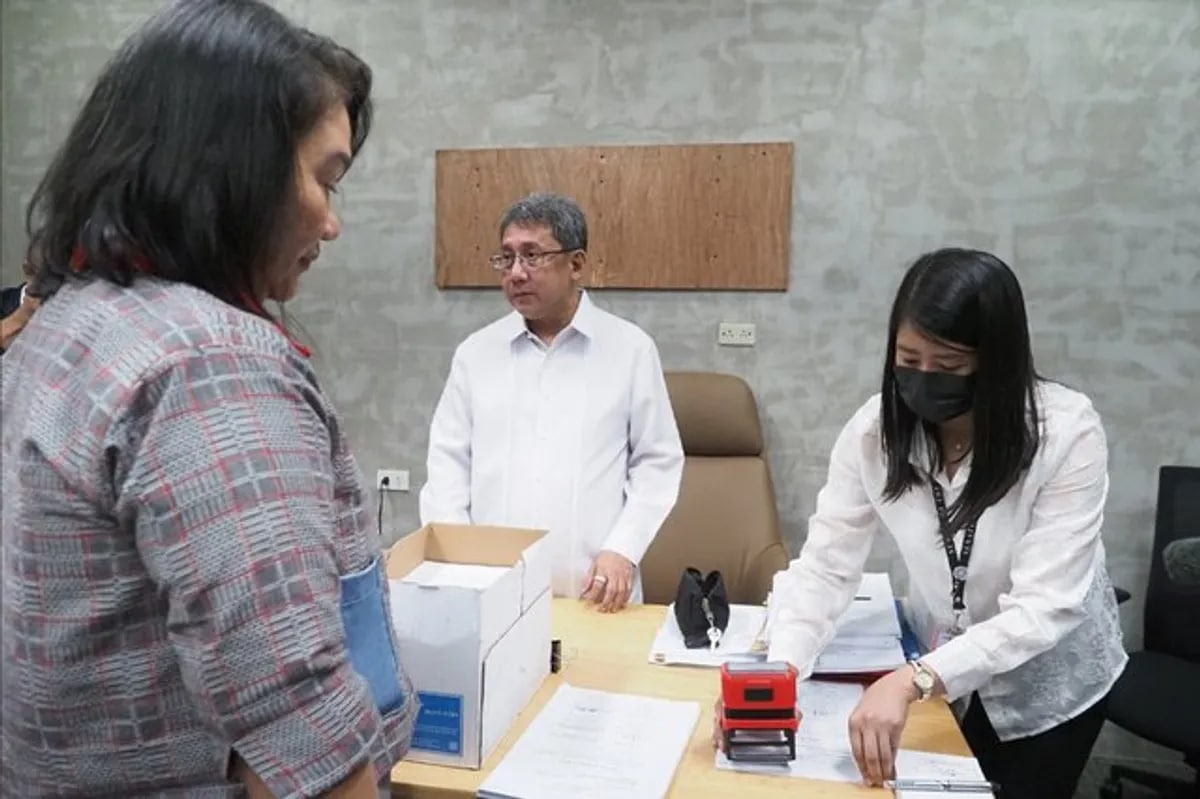
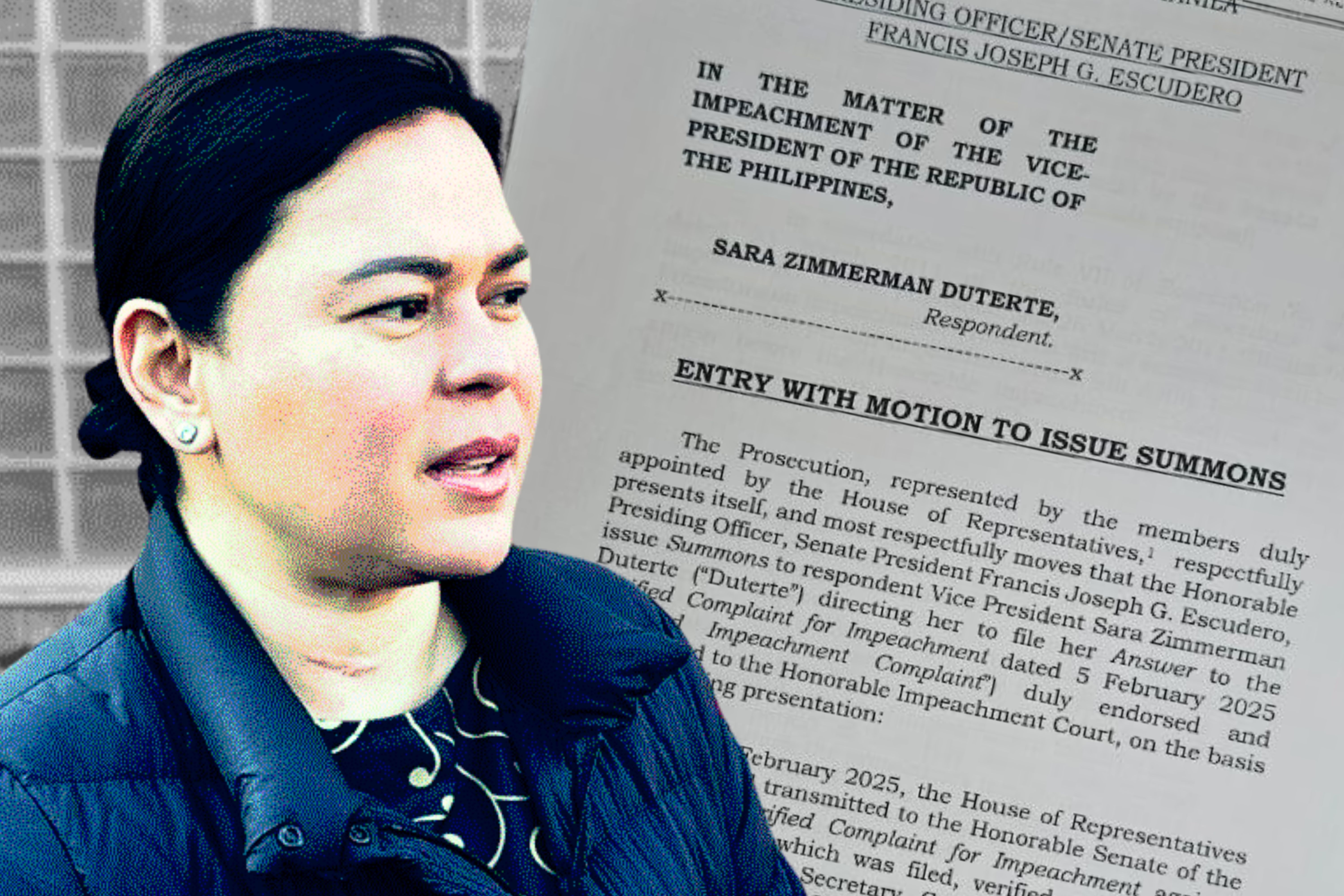
The House of Representatives’ prosecution team has submitted a pre-trial brief outlining the testimony of more than 30 witnesses in the ongoing impeachment trial of Vice President Sara Duterte, according to multiple legal and political sources. This development marks a significant procedural step in the case, which has drawn nationwide attention due to its high-profile nature and potential political ramifications. The brief, filed earlier this week, outlines the prosecution’s strategy for presenting evidence and securing convictions on charges of culpable negligence and alleged misconduct in office.
What Happened and Why It Matters
The impeachment trial of Vice President Sara Duterte, the daughter of former President Rodrigo Duterte, stems from allegations that she failed to act on reports of human rights violations during her tenure as mayor of Davao City. The charges, brought by the House of Representatives, accuse her of negligence in overseeing operations that led to extrajudicial killings. The prosecution’s pre-trial brief, submitted to the Senate as the trial’s judicial body, includes a list of witnesses who will be called to testify, signaling the formalization of the case’s evidentiary phase.
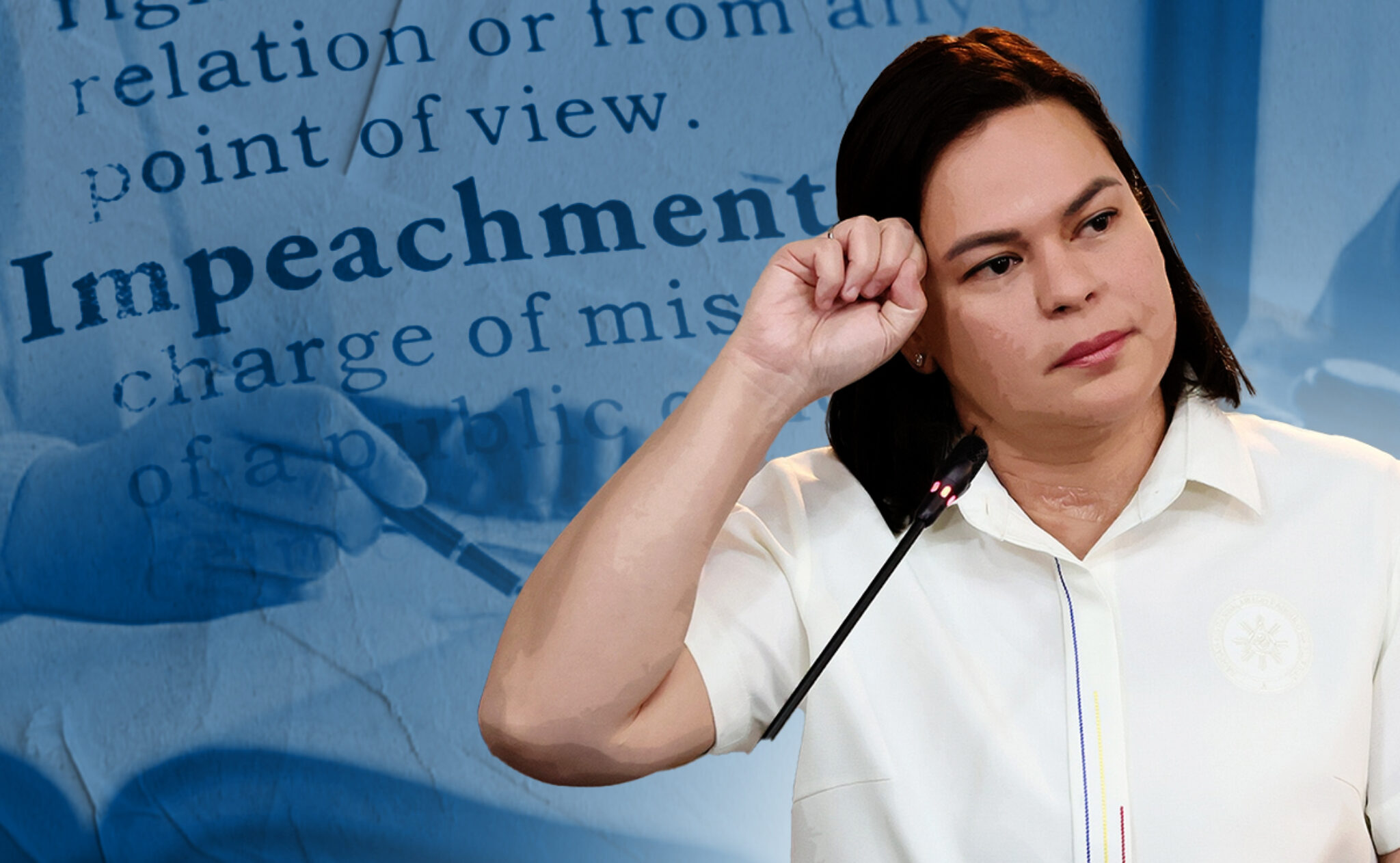
The inclusion of over 30 witnesses underscores the scale of the prosecution’s efforts to build a comprehensive case. Legal experts note that such a large number of witnesses is unusual for impeachment trials, which typically focus on a narrower set of evidence. “This suggests the prosecution is aiming to establish a broad narrative of accountability,” said Dr. Maria Lourdes Tan, a constitutional law professor at the University of the Philippines. “However, the defense may challenge the relevance and necessity of each witness, which could prolong the proceedings.”
The case has significant implications for the political landscape in the Philippines. As a prominent member of the Duterte political dynasty, Sara Duterte’s trial has been closely watched by both domestic and international observers. The outcome could influence public trust in the impeachment process and set a precedent for future cases involving high-ranking officials.
Who Is Involved and What Are Their Stances?
The prosecution team, composed of members of the House of Representatives’ impeachment panel, has been led by several key figures, including House Speaker Ferdinand Martin Romualdez and several lawmakers from the ruling PDP-Laban party. Their arguments center on the alleged failure of Duterte to prevent or investigate extrajudicial killings during her time as mayor. The prosecution’s brief emphasizes the need for accountability, citing official records and testimonies from law enforcement and civil society groups.
The defense, represented by legal teams including former Supreme Court Justice Antonio Carpio, has argued that the charges against Duterte are politically motivated and lack sufficient evidence. The defense has also raised concerns about the potential for witness testimony to be biased or influenced by external pressures. “Calling over 30 witnesses may be an attempt to overwhelm the court with redundant or irrelevant information,” said Carpio in a recent statement. “The defense will challenge the admissibility of each witness’s testimony to ensure the trial remains focused on the core allegations.”
Among the witnesses listed in the pre-trial brief, several are former Davao City police officials, human rights advocates, and government investigators. The defense has already signaled its intention to object to some of these witnesses, particularly those who may have personal or political ties to the prosecution. Legal analysts suggest that the trial could become a battleground for procedural disputes, with both sides scrutinizing the relevance and credibility of each witness.
Timeline of Key Events
The impeachment process began in July 2023 when the House of Representatives approved articles of impeachment against Duterte. The charges were based on a report by the Commission on Human Rights, which highlighted alleged failures in her role as mayor. The Senate subsequently formed an impeachment court to hear the case, with the trial expected to last several months.
Key milestones in the case include:
- July 2023: House of Representatives approves impeachment articles against Vice President Sara Duterte.
- August 2023: Senate establishes an impeachment court to oversee the trial.
- September 2023: Prosecution submits a pre-trial brief outlining the list of witnesses and evidence.
- October 2023: Defense files objections to certain witnesses and procedural steps.
- November 2023: Trial proceedings commence, with the prosecution presenting its initial evidence.
The timeline reflects the procedural complexity of the case, with each step requiring coordination between the House, Senate, and legal teams. The prosecution’s pre-trial brief, submitted in late September, has been a critical juncture in determining the scope of the trial.
Context and Broader Implications
The impeachment trial of Sara Duterte is part of a broader pattern of political accountability cases in the Philippines. Over the past decade, several high-profile officials have faced legal scrutiny for alleged misconduct, including former President Gloria Macapagal-Arroyo and former Sen. Panfilo Lacson. However, the scale and visibility of this case make it unique, particularly given the involvement of a sitting vice president.

The case also raises questions about the role of the impeachment process in addressing allegations of human rights abuses. According to the Philippine Human Rights Commission, there have been over 2,000 reported extrajudicial killings in Davao City during Duterte’s tenure as mayor. While the government has attributed these incidents to anti-crime operations, critics argue that the lack of proper oversight and accountability has allowed such actions to continue.
The legal framework for impeachment in the Philippines is outlined in the 1987 Constitution, which allows the House of Representatives to initiate the process and the Senate to conduct the trial. The burden of proof lies with the prosecution, which must demonstrate that the accused has committed a crime or breach of trust. However, the process is often criticized for being politically charged, with both sides accused of using it as a tool for advancing their agendas.
The outcome of the trial could have far-reaching consequences for the political landscape. If convicted, Duterte could face removal from office, which would trigger a succession process under the Philippine Constitution. However, the trial’s procedural challenges and political sensitivities make the outcome uncertain. Legal experts suggest that the case may set a precedent for how future impeachment trials are conducted, particularly in cases involving high-profile figures.
Reactions and Expert Views
The prosecution’s pre-trial brief has elicited mixed reactions from legal and
