Haredi Rioters Clash with Police in Beit Shemesh: A Growing Tension in Israel’s Religious Communities
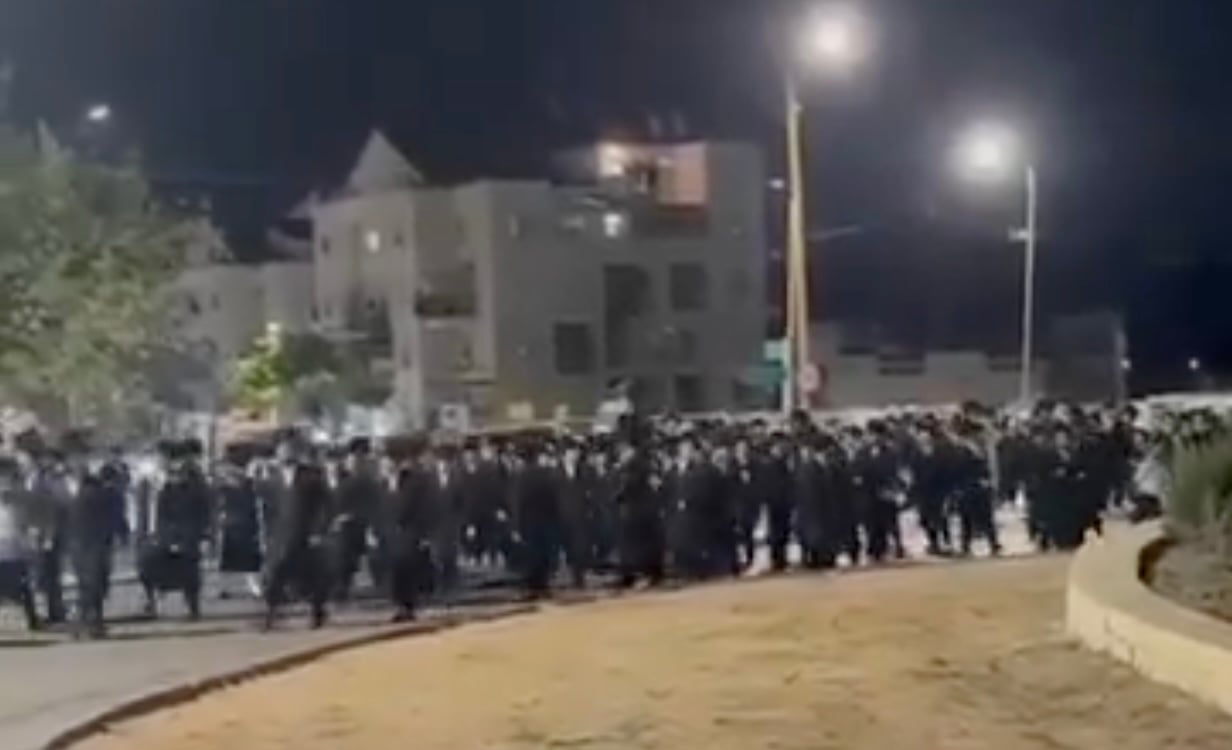
In a recent incident that has intensified debates over religious autonomy and state authority, hundreds of Haredi protesters breached a police station in Beit Shemesh, leading to confrontations with law enforcement. The event, which unfolded following the arrest of an individual alleged to be a draft dodger, has sparked discussions about the deepening rifts between Israel’s ultra-Orthodox communities and national institutions.
What Happened: A Violent Confrontation in Beit Shemesh
The unrest began on [insert date, if available], when a Haredi man was detained by police for alleged refusal to comply with military conscription. This action reportedly triggered a surge of anger within the community, culminating in a large-scale demonstration that escalated into violence. According to reports, protesters gathered near the Beit Shemesh police station, where they attempted to force entry into the building. The situation deteriorated as officers were attacked, with several officers sustaining injuries. At least eight individuals were arrested in connection with the incident, though no official details on their identities or charges have been disclosed.
The breach of the police station marked a significant escalation in tensions, as such actions are rare and typically reserved for extreme circumstances. Witnesses described chaotic scenes, with protesters shouting slogans and clashing with officers who deployed tear gas and batons to disperse the crowd. The incident highlights the growing volatility of disputes over conscription, a long-standing issue that has periodically flared up in Israel’s Haredi communities.
Who Is Involved: The Haredi Community and State Authorities
The Haredi (ultra-Orthodox) community in Israel has historically resisted mandatory military service, citing religious obligations to study Torah full-time. This stance has led to a decades-old exemption system, though recent government policies have sought to expand conscription requirements. The arrested individual in this case is believed to be part of a faction within the community that has increasingly challenged these measures, often through civil disobedience or public protests.
While the police and government represent the state’s authority, their interactions with Haredi groups have often been fraught with tension. The community’s leaders, who wield significant influence over their followers, have consistently opposed what they view as state overreach into religious matters. This incident underscores the complex dynamics between religious autonomy and national security imperatives.
Context and Background: The Draft Resistance Movement
The conflict over conscription is not new. For years, Haredi leaders have negotiated exemptions for their members, arguing that religious study is a form of national service. However, in recent years, the Israeli government has pushed for greater integration of Haredi men into the workforce and military, citing economic and social pressures. This effort has been met with fierce resistance, particularly from more insular segments of the community.
The arrest of the draft dodger appears to have been the immediate catalyst for the riots. Such incidents often trigger outbursts of anger, as they are seen as attacks on the community’s way of life. The Haredi press has historically amplified these sentiments, framing state actions as discriminatory and threatening to their cultural identity.
Reactions and Implications: A Nation Divided
The incident has drawn mixed reactions across Israeli society. Some critics argue that the protests reflect a broader pattern of Haredi defiance that undermines national unity, while others view them as a legitimate response to what they perceive as state interference in religious affairs. The police have emphasized their commitment to maintaining public order, though their handling of the situation has also come under scrutiny.

Analysts suggest that the incident could further polarize an already fragmented society. The Haredi community’s growing influence in politics and the economy has made their resistance to conscription a contentious issue. If left unaddressed, such tensions could lead to more frequent clashes between the community and state institutions.
Key Points to Consider
- The Haredi community’s opposition to military conscription is rooted in religious beliefs and historical exemptions.
- The recent riots in Beit Shemesh highlight the escalating conflict between state authority and religious autonomy.
- Government efforts to expand conscription requirements have faced strong resistance from Haredi leaders and followers.
- The incident has reignited debates about the
