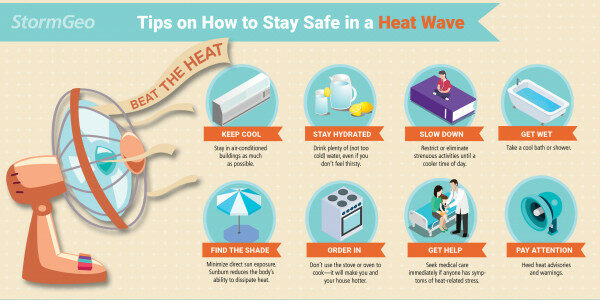
One-quarter of homeowners are struggling with indoor heat, with specific types of housing proving more susceptible to rising temperatures, according to local media reports.
- Homeowner Impact: 25% of homeowners report significant issues with indoor heat.
- Infrastructure Gaps: Experts highlight a need for external shading rather than internal cooling.
- Ventilation Errors: Daytime ventilation is identified as a counterproductive practice during 30-degree peaks.
Why certain homes overheat more than others
The prevalence of indoor heat is not distributed evenly across all properties. Local media reports indicate that a quarter of homeowners are affected, specifically noting that the issue is more acute in certain types of housing. While the reports do not specify the exact architectural styles, they emphasize that the physical characteristics of these buildings contribute to heat retention.

The economic shift toward external cooling measures
To combat rising indoor temperatures, experts are urging homeowners to shift their investment from internal gadgets to external barriers. A heat expert, cited in local media reports, advocates for the installation of outdoor curtains and the use of shower rods to keep heat from entering the living space entirely.
This approach focuses on preventing thermal gain rather than attempting to remove heat once it has entered the building. A thermophysiologist added to these recommendations, suggesting that sunshades are a primary tool for maintaining cooler indoor environments, according to local media reports.
The risk of improper ventilation
Common consumer habits regarding airflow may actually increase indoor temperatures. According to local media reports, ventilating a home during the day when outside temperatures reach 30 degrees Celsius is often counterproductive. This practice allows hot air to replace cooler indoor air, effectively heating the interior of the home.
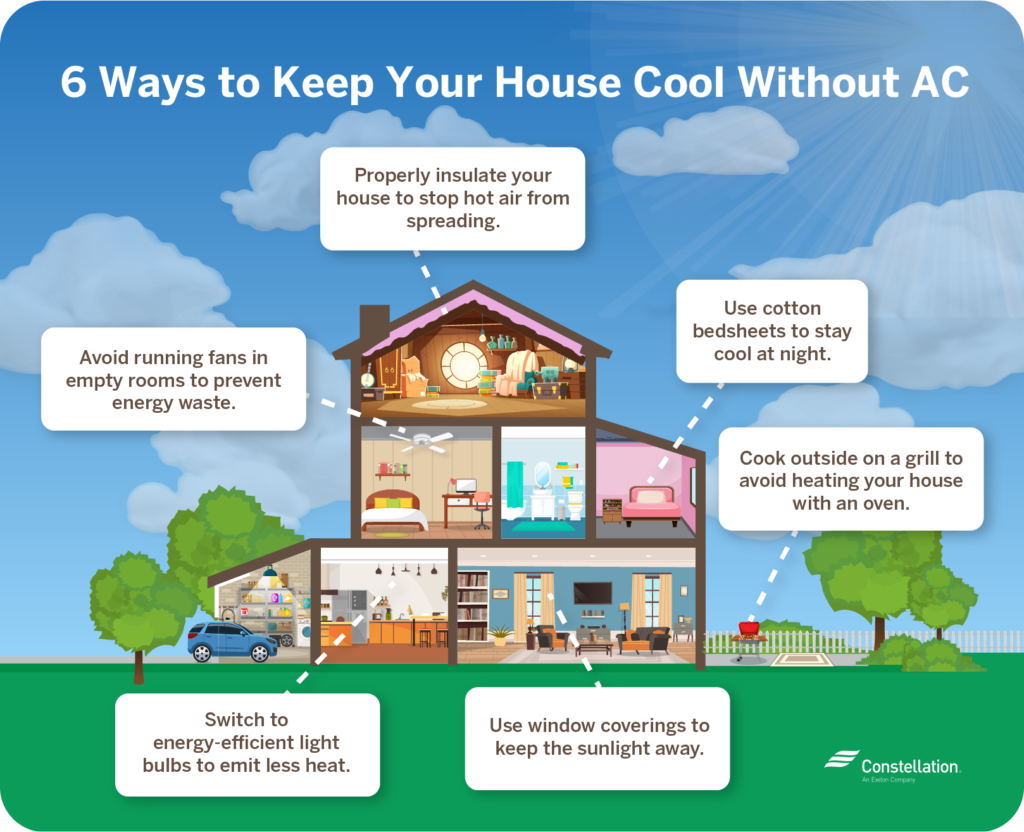
The advice from experts focuses on strategic timing for airflow to ensure that the home does not act as a heat trap during peak sunlight hours.
Consumer adaptations and behavioral responses
As homeowners seek immediate relief, consumer behavior has shifted toward short-term cooling solutions. Local reports highlight a variety of public tips and adaptations, including the increased use of electric fans and the search for heavily cooled environments, such as large commercial freezers, to lower body temperature.
Beyond structural changes, a thermophysiologist suggested dietary adjustments to help the body regulate temperature, recommending the consumption of ice cream as a practical method to stay cool during heatwaves, according to local media reports.
